







Why a Blocked Drain Is a Serious Threat
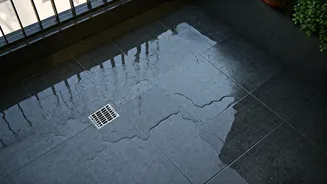
A small puddle on your balcony might seem harmless, but it's often the first sign of a blocked drain that can lead to severe consequences. When water has nowhere to go, it can cause a host of problems far beyond a slippery surface. This stagnant water can penetrate
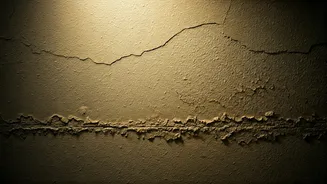
building materials, leading to corrosion of steel reinforcements and weakening the balcony's structural slab over time. The moisture can seep into your home, causing peeling paint, damp patches on interior walls, and ugly stains on the ceiling of the room below. Furthermore, persistent dampness creates a perfect breeding ground for mould and mildew, which can trigger allergies and respiratory issues. In multi-story buildings, a blockage on your balcony could even lead to water leaking into your neighbour's flat below, causing disputes and costly damages.
Your Pre-Monsoon Inspection Checklist
Being proactive is the key to preventing water damage. Before the heavy rains set in, take a few minutes to conduct a thorough inspection of your balcony. First, check the drain outlet itself. Is it covered in leaves, mud, or other debris? Look for any cracks in the floor tiles or grout, as these can allow water to seep into the underlying structure. Pay attention to the floor's slope; water should naturally flow towards the drain, not pool in low spots. Inspect the integrity of any waterproofing membranes or coatings, looking for bubbles or peeling, especially around the drain. Also, check the seals around windows and doors that open onto the balcony to ensure they are tight and can prevent wind-driven rain from entering. Finally, look for any signs of rust on railings or fixtures, as this can indicate prolonged exposure to moisture.
A Simple Guide to Clearing Your Drain
For most minor blockages, a little DIY effort is all that is needed. Start by putting on a pair of rubber gloves. Manually remove any visible debris like leaves, twigs, and dirt from the drain cover and surrounding area. Often, you can lift the drain grate to get better access. Use a small tool like a trowel or an old spoon to scoop out any gunk accumulated just inside the pipe. For a deeper clean, a straightened wire coat hanger can be used to gently probe and break up obstructions further down. Once the initial blockage is cleared, flush the drain with a bucket of hot water to wash away any remaining residue. A mixture of baking soda and vinegar poured down the drain, left to fizz for about 30 minutes, and then flushed with hot water can also help dissolve grime and keep the drain flowing freely.
When to Call for Professional Help
While many drainage issues can be resolved with simple cleaning, some problems require professional expertise. If water continues to pool despite your cleaning efforts, it may indicate a more significant blockage deep within the building's plumbing that requires a professional plumber's tools, like a drain snake. If you notice widespread cracking, tiles that sound hollow when tapped, or persistent dampness on the ceiling below even in dry weather, it could signal a failure in the waterproofing membrane. These are structural issues that need to be addressed by a waterproofing specialist or a civil contractor. Attempting to fix major structural or waterproofing failures yourself can often lead to more extensive and expensive damage in the long run. Acting quickly and calling an expert at the first sign of a serious problem is the most prudent course of action.