



Understanding 'Holding Time' and the Danger Zone
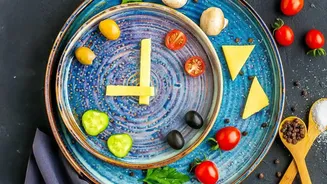
The most critical factor in food safety is managing time and temperature. Bacteria that cause food poisoning grow rapidly in the 'Danger Zone', a temperature range between 40°F (4°C) and 140°F (60°C). The 'holding time' is how long perishable food spends
in this zone. The cardinal rule is the two-hour limit: never let perishable foods sit at room temperature for more than two hours. If the ambient temperature is above 90°F (32°C), this window shrinks to just one hour. This rule applies to the entire journey, from the moment the food leaves your fridge to when it's eaten. Planning your road trip menu means thinking about which foods will be eaten within this two-hour window and which can be safely kept cold for longer.
Tier Your Menu by Time
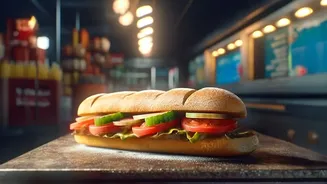
The smartest way to pack is to create a tiered eating plan. For the first one to two hours of your journey, you can enjoy items that are difficult to keep cold, like certain sandwiches or salads. These are your 'eat-first' items. For food you plan to eat later, you must have a reliable way to keep it cold. This means planning a menu that transitions from immediate-consumption foods to those stored safely in a cooler. For longer trips, consider using two coolers: one for snacks and drinks that will be opened frequently, and another, less-disturbed cooler for perishable foods intended for later meals. This strategy minimizes temperature fluctuations for your most vulnerable items.
Mastering the Art of the Cooler
Your cooler is your best defence against the Danger Zone. To maximize its effectiveness, pre-chill everything before it goes in. Packing warm items forces the ice to work harder and melt faster. Pack foods directly from the fridge into the cooler. Meat and poultry can even be packed while frozen, as they will thaw gradually and help keep other items cold. A full cooler stays cold longer than a partially empty one, so fill any empty space with extra ice packs or bottles of frozen water. Place raw meats at the bottom in sealed, leak-proof containers to prevent juices from contaminating other foods. Layer your cooler with the items you'll need last at the bottom and your next meal at the top.
The Foundation: Start and Stay Clean
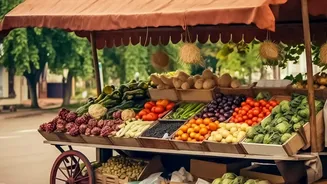
All the temperature control in the world won't help if your food preparation starts with contamination. Clean handling is the other essential pillar of food safety. Always wash your hands with soap and water for at least 20 seconds before and after handling food. If soap and water aren't available, use an alcohol-based hand sanitizer with at least 60% alcohol. Use separate cutting boards and utensils for raw meat and ready-to-eat foods like vegetables and fruits to avoid cross-contamination. Wash all fruits and vegetables thoroughly before packing, even those with peels, as a knife can transfer bacteria from the surface to the inside when you cut it.
Choosing Road-Worthy Foods
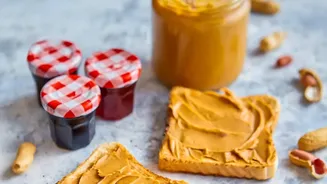
While careful packing can make many foods travel-safe, some are naturally better suited for the road. Shelf-stable options that don't require refrigeration are your friends. These include whole fruits, nut butters, crackers, granola bars, and dried fruits and nuts. For perishable items, choose wisely. Hard cheeses are more stable than soft ones. Cured meats are a safer bet than deli-style cold cuts unless kept meticulously chilled. Instead of leafy green salads that wilt and can harbour bacteria, consider salads based on grains or legumes that hold up better. For drinks, stick to bottled or canned beverages to avoid any issues with local water safety.