






The Thrill of the Roll: Understanding Skating Risks
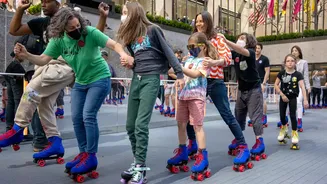
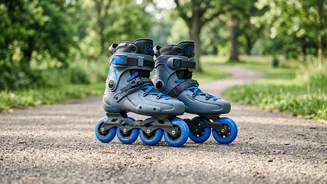
Skating, whether on roller skates, inline skates, or a skateboard, is a high-impact activity that offers a fantastic cardiovascular workout and a sense of freedom. The primary safety concern is straightforward: falling. For beginners, the most common
injuries are fractures, particularly of the wrist, as the natural instinct is to stretch out a hand to break a fall. Scrapes, bruises, and injuries to ankles and knees are also frequent. The risk comes from the combination of speed, hard surfaces, and the learning curve of balance. The key to mitigating these risks isn't to avoid falling—it’s to prepare for it. This means wearing the right gear and choosing a safe environment to learn, like a smooth, flat, and open area away from traffic.
Your Skating Safety Checklist
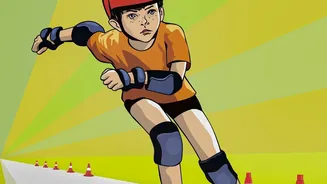
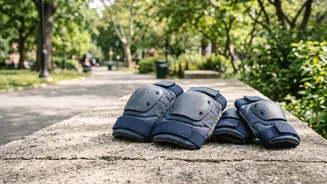
Before you roll, gearing up is non-negotiable. A properly fitted helmet is the most crucial piece of equipment to protect against serious head injuries. Wrist guards are a close second, as they prevent the common fractures that happen when you catch yourself during a fall. Rounding out the essentials are knee pads and elbow pads to protect against painful scrapes and impacts. Your skates should also fit snugly to provide adequate ankle support. Beyond gear, learning how to fall correctly is a skill in itself. Instructors suggest practicing falling by crouching low to reduce the distance to the ground and trying to roll onto the fleshier parts of your body, rather than landing stiffly on an outstretched arm.
The Quiet Strength: Unpacking Tai Chi Safety
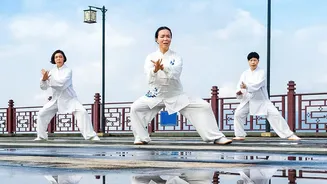
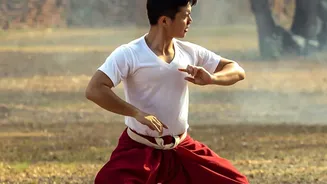
Tai Chi is a low-impact exercise celebrated for its ability to improve balance, strength, and mental focus through slow, deliberate movements. Its safety risks are far more subtle than skating's but still require attention. Injuries in Tai Chi are rarely from falls; instead, they are typically repetitive strain issues that arise from improper form. The knees are the most common area of concern. Pain can develop if a practitioner twists their knee, extends it past their toes, or holds deep stances for too long without proper alignment. Because it is gentle, many people start Tai Chi to help with existing conditions like arthritis, but it is vital to listen to your body and not push through pain. The key to safety is not protective gear, but a qualified instructor and mindful self-awareness.
Your Tai Chi Safety Checklist
The most important safety step in Tai Chi is finding a good teacher who emphasizes correct principles over simply copying movements. An instructor can provide feedback on your posture and alignment to protect your joints. Always keep your knees slightly bent, never locked, and ensure they track over your feet without extending beyond your toes. If you have pre-existing health issues, inform your instructor before class. Wear comfortable clothing that doesn’t restrict movement and flat, flexible shoes that allow you to feel connected to the ground. Most importantly, the principle of 'no pain' is paramount. If a movement causes discomfort, modify it or stop. The goal is to work with your body, not against it.
Activity vs. Activity: A Direct Comparison
When placed side-by-side, the safety profiles of skating and Tai Chi are worlds apart. Skating is a high-impact exercise with a significant risk of acute, traumatic injuries like fractures and concussions, especially for beginners. This risk is managed externally with helmets and pads. Tai Chi is a low-impact exercise where the risk is lower but more chronic, stemming from incorrect form leading to joint strain, particularly in the knees. This risk is managed internally through mindfulness, proper technique, and expert guidance. Your choice depends on your personal goals and risk tolerance. Are you seeking an adrenaline rush and willing to pad up for the occasional fall? Or are you looking for a mindful, gentle practice where the main focus is on precise, careful movement?