





Your Body's Internal Clock
Deep inside your brain is a master clock known as the circadian rhythm. Think of it as your body's 24-hour operating system, governing everything from when you feel energetic to when you feel sleepy. This internal clock is naturally synchronised with
the daily cycle of light and darkness. During the day, sunlight signals your body to be awake and alert. As darkness falls in the evening, your brain gets the cue to begin winding down and preparing for rest. This delicate and ancient system is crucial for regulating not just sleep, but also hormone production, mood, and overall health.
The Problem with Blue Light
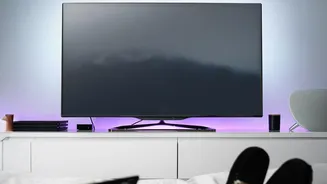
The issue with modern screens—smartphones, tablets, laptops, and TVs—is the type of light they emit. These devices are significant sources of blue-wavelength light. While blue light is also a natural component of sunlight and is beneficial during the day for boosting attention and mood, it becomes a problem at night. When your eyes are exposed to this artificial blue light after dark, it sends a confusing signal to your brain. Instead of registering the evening's dimness, your brain interprets the blue light as daylight, disrupting its carefully timed schedule.
The Melatonin Suppression Effect
One of the most critical ways blue light disrupts sleep is by suppressing the production of melatonin. Melatonin is often called the 'sleep hormone' because your brain releases it in response to darkness to help you feel sleepy. Research shows that exposure to blue light in the evening can significantly reduce and delay this natural melatonin surge. One Harvard study found that blue light suppresses melatonin for about twice as long as green light and shifts circadian rhythms twice as much. This keeps you in a state of alertness when your body should be preparing for sleep, making it much harder to drift off.
More Than Just Light
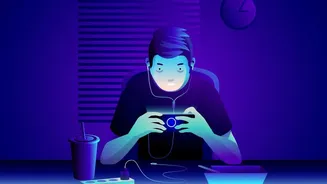
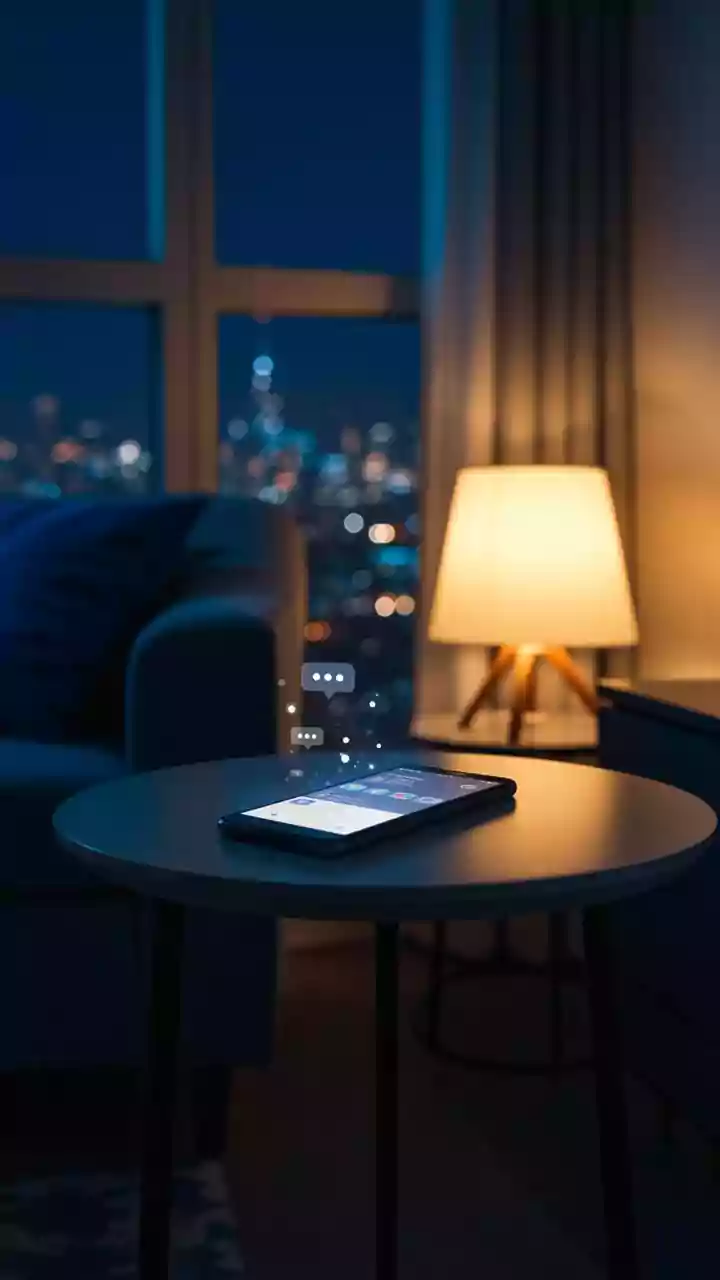
Beyond the biological effect of blue light, the content we consume on screens also keeps us awake. Engaging with work emails, scrolling through stimulating social media feeds, or watching an exciting show keeps your brain cognitively and emotionally aroused. This mental engagement is the opposite of the calm, relaxed state required to fall asleep. Even a quick check of your phone can trigger your brain to become more active and delay sleep. This combination of melatonin suppression and mental stimulation is a powerful recipe for poor sleep, including difficulty falling asleep, frequent waking, and feeling groggy the next day.
Practical Steps for Better Sleep
Protecting your sleep doesn't mean you have to give up technology entirely. It's about creating healthier boundaries, especially in the hours before bed. Experts recommend establishing a 'digital curfew' by turning off all screens at least one to two hours before your intended bedtime. If you must use a device, enable 'night mode' or a blue light filter to shift the screen to a warmer, less disruptive colour. A powerful strategy is to make your bedroom a screen free zone, which removes the temptation to scroll late at night. Replace that screen time with a calming wind down routine, such as reading a physical book, gentle stretching, taking a warm bath, or listening to quiet music. These activities signal to your brain that it's time to rest, allowing your body's natural rhythms to take over.