



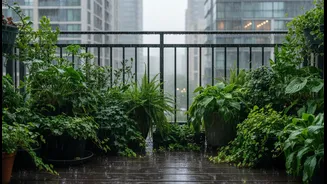


Why One-Size-Fits-All Fails
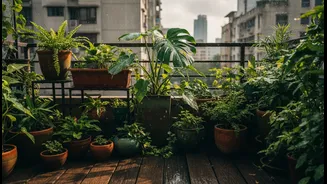
Imagine treating a cactus like a fern—it’s a recipe for disaster. The same principle applies to your entire balcony collection. A flowering hibiscus in a small pot under the hot afternoon sun has vastly different water needs than a snake plant in a large
ceramic container in a shady corner. Factors like plant species, pot size and material, soil type, and sun exposure all create unique microclimates for each plant. A uniform watering schedule ignores these crucial variables, often leading to some plants being overwatered (the number one cause of plant death) while others are left thirsty. A plant-specific routine ensures each one gets the precise care it needs to flourish.
Become a Plant Detective
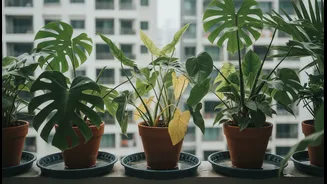
The best way to know if a plant needs water is to observe it. Your plants will give you clues. Drooping or wilting leaves are often the most dramatic sign of thirst. Sometimes, the leaves of an underwatered plant might feel thin or crispy, or the soil may visibly pull away from the edges of the pot. Conversely, overwatering can also cause wilting, but the leaves will feel soft and limp, not dry. Yellowing leaves can signal either extreme; the key is to check the soil. If leaves are yellow and the soil is soggy, you've been too generous with the watering can. A sour smell from the soil or mold on the surface are also sure signs of overwatering.
The Ultimate Low-Tech Tool: Your Finger
Forget fancy gadgets. The most reliable way to check soil moisture is the finger test. Simply push your index finger about two inches into the soil. If your fingertip comes out dry, it's time to water. If the soil feels moist and cool, you can wait another day or two. This simple, daily check takes seconds but provides invaluable information. For deeper pots or to avoid getting your hands dirty, an unpainted wooden stick like a chopstick works just as well. Push it into the soil; if it comes out clean and dry, it’s time to water. If it comes out dark with damp soil clinging to it, hold off.
Know Your Plant Personalities
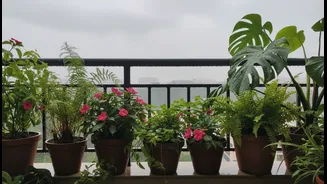
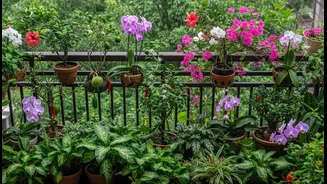
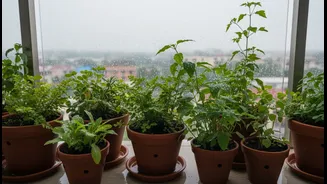
Grouping your plants by their needs can simplify your routine. Succulents and cacti, for example, are desert natives that prefer their soil to dry out completely between waterings. Flowering plants like marigolds, hibiscus, and petunias are often thirstier, especially when in bloom, and may need daily watering in the Indian summer. Leafy foliage plants like pothos (money plant) and ferns prefer consistently moist soil but not waterlogged conditions. Herbs like tulsi and mint also appreciate regular watering. By understanding these general categories, you can better anticipate their needs and adjust your routine accordingly.
Mastering the Technique
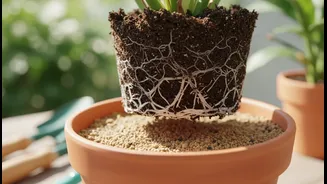
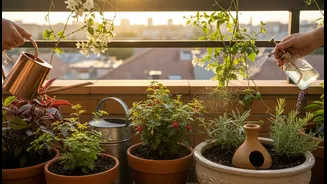
When you do water, do it correctly. The best time is early in the morning, which gives the plant a supply for the day and allows wet leaves to dry, preventing fungal disease. Water the soil at the base of the plant, not the leaves. Water deeply and thoroughly until you see it running out of the drainage holes at the bottom of the pot. This encourages deep root growth. Avoid light, frequent sips, which only wet the top layer of soil and lead to weak, shallow roots. In the peak of summer, some plants in small pots or direct sun may even need watering twice a day.