




Understanding Cold-Pressed (Kacchi Ghani) Oils
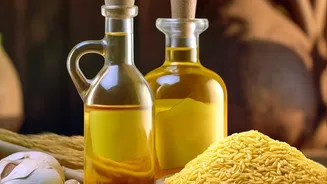
Cold-pressed oils, known in India as 'kacchi ghani' or 'marachekku', are extracted using a traditional method. Seeds or nuts like mustard, groundnut, or sesame are crushed at a low temperature, without the use of high heat or chemical solvents. This gentle,
mechanical process ensures the oil retains most of its natural goodness. Because they are less processed, these oils are packed with nutrients like antioxidants, Vitamin E, and beneficial fatty acids such as Omega-3 and Omega-6. They also carry the distinct flavour and strong aroma of their source, which can significantly enhance the taste of a dish.
Decoding Refined Oils
Refined oils are produced on an industrial scale. The process involves extracting oil from seeds using high heat and often with the help of chemical solvents like hexane. Afterwards, the oil goes through several stages of processing, including bleaching to lighten the colour and deodorising to remove any strong smell. While this results in an oil with a neutral taste, a lighter appearance, and a longer shelf life, it also strips away most of the natural nutrients and antioxidants present in the original seeds.
The Showdown: Nutrition and Flavour
The primary difference between the two lies in their nutritional profile. Cold-pressed oils are considered superior in this regard as they keep their vitamins and antioxidants intact. Refined oils, due to the high-heat processing, lose a significant portion of these beneficial compounds. Flavour is another major differentiator. If you want the pungent kick of mustard oil in your pickle or the nutty aroma of groundnut oil in a curry, cold-pressed is the way to go. If you prefer an oil that doesn't interfere with the taste of your spices and other ingredients, a neutral refined oil is a better choice.
The Crucial Role of Smoke Point
The smoke point is the temperature at which an oil begins to break down and produce smoke, which can create harmful compounds. This is where refined oils have a distinct advantage. The refining process increases an oil's stability, giving it a higher smoke point. This makes refined oils more suitable for high-temperature cooking methods like deep frying. Many cold-pressed oils have a lower smoke point and can degrade under intense heat, making them better suited for lower-heat cooking, dressings, and drizzling over finished dishes. However, some traditional Indian oils like cold-pressed mustard oil have a naturally high smoke point (around 250°C), making them versatile for various cooking methods.
Your Guide for the Indian Kitchen
There is no single 'best' oil; the right choice depends on the dish and cooking technique. Here’s a simple guide: For Deep Frying (Pakoras, Samosas, Puris): Refined sunflower, groundnut, or rice bran oil are excellent choices due to their high smoke points and neutral flavour. For Everyday Cooking (Sabzis, Dals): You have options. A cold-pressed groundnut or mustard oil can add wonderful flavour. If you want a neutral base, a refined oil works well. For Tempering (Tadka): A small amount of cold-pressed mustard oil or sesame oil can add a powerful aromatic punch to dals and curries. Ghee is also a fantastic traditional option for tadkas. For Salads and Drizzling: Use flavourful cold-pressed oils like sesame or groundnut to add nutrients and taste without any cooking.