






The Unseen Workers in Your Soil
A teaspoon of healthy garden soil contains billions of bacteria. These microscopic powerhouses are essential for plant health. The most beneficial types are aerobic, meaning they need oxygen to survive. They perform critical jobs like breaking down organic
matter into plant-available nutrients, cycling elements like nitrogen, improving soil structure, and even producing compounds that help protect plants from disease. This thriving, oxygen-rich environment is the foundation of a healthy garden.
What Happens When Soil Gets Waterlogged?
When soil becomes saturated with water, every pore and air pocket fills up, pushing out the oxygen. This creates an anaerobic (oxygen-free) environment. For the beneficial aerobic bacteria, this is a death sentence. They can't survive and their populations plummet. In their place, anaerobic bacteria, which thrive without oxygen, begin to dominate. Unfortunately, many of these anaerobes can produce substances that are toxic to plant roots, such as hydrogen sulfide, which creates a distinct rotten-egg smell.
Signs of Trouble Above Ground
The crisis happening in the soil will eventually show up in your plants. One of the most common signs of waterlogging is leaves turning yellow, a condition known as chlorosis. You might also notice that your plants are wilting even though the soil is wet; this is because the roots are deprived of the oxygen they need to function and absorb water. Other indicators include stunted growth, leaf drop, and a general failure to thrive. In severe cases, the base of the plant stem may turn brown or black, signaling root rot has set in.
Prevention: The Best Strategy
The most effective way to combat waterlogging is to prevent it from happening in the first place. The key is to improve your soil’s structure and drainage. The single best thing you can do is consistently add organic matter. Spreading a few inches of well-aged compost, leaf mold, or aged manure over your garden beds each year and gently working it into the top layer of soil works wonders. This organic material helps bind small clay particles into larger aggregates and gives sandy soil more substance, creating pores that allow both air and water to move freely.
Build Up for Better Drainage
If you garden in an area with heavy clay soil or a low-lying spot that collects water, you may need to take more direct action. Building raised beds is an excellent solution for urban gardeners. Elevating the garden bed by just 15-20 centimetres lifts your plants' root zones above the saturated ground, ensuring they have the drainage they need. For those gardening in containers, ensure your pots have plenty of drainage holes and use a high-quality potting mix, as soil from the garden can become overly compacted in a pot.
First Aid for a Flooded Garden
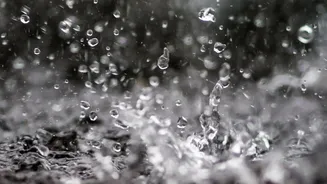
If a sudden downpour leaves your garden waterlogged, resist the urge to walk on the soil, as this will compact it further and make the problem worse. Once the surface water has drained away, you can gently poke deep holes into the soil with a garden fork to help introduce air back into the root zone. Hold off on fertilizing until the soil has dried out and your plants show signs of recovery. Flooded soil can't process nutrients effectively, and adding fertilizer will only stress the already struggling plants.