





The Post-Walk Wipe Down: Your First Line of Defence
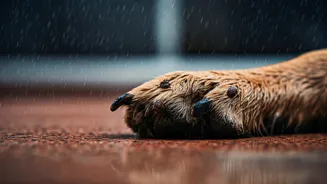
Every walk during the monsoon can expose your pet to mud, dirty water, and germs. This makes the post-walk cleanup a non-negotiable ritual. Focus on their paws, which are especially vulnerable to inflammation and infections from constant exposure to moisture.
[16] After every outing, wash your pet's paws with lukewarm water and pat them dry with a clean, absorbent towel. [10] Pay special attention to the area between their toes and pads, where moisture can get trapped. [4] Trimming the fur between the paw pads can also help reduce the amount of mud and debris they bring inside. [3, 4]
Drying Thoroughly Is Not Optional
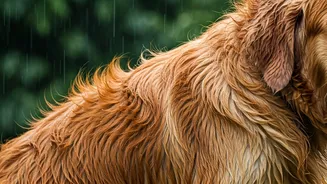
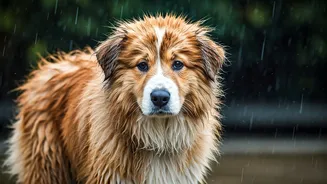
The single most important rule of monsoon pet care is to keep your pet dry. [12] Damp fur is a breeding ground for bacteria and fungi, leading to skin infections, hot spots, and that persistent "wet dog smell." [2, 10, 12] Towel-drying alone is often not enough, especially for dogs with thick or long coats. After patting them down with a microfibre towel, consider using a pet-friendly hair dryer on a low-heat setting to ensure their undercoat is completely dry. [10, 12] Never let your pet air-dry in humid weather, as trapped moisture is the primary cause of many monsoon-related skin ailments. [10]
Bathing: Adjust Your Schedule
While it might seem logical to bathe your pet more often to combat the dirt and smell, over-bathing can be counterproductive. Frequent washing strips the natural oils from your pet's skin and coat, weakening its protective barrier and making it more susceptible to infections. [3] During the monsoon, it's best to bathe your dog only once every two to three weeks, unless they get excessively muddy. [3, 10] When you do bathe them, use a mild, vet-approved anti-fungal or antibacterial shampoo for extra protection. [3, 10] And, as always, ensure they are dried completely afterwards. [6]
The Battle Against Ticks and Fleas
The warm, humid monsoon weather is a paradise for parasites like ticks and fleas, which thrive in these conditions. [4, 6] This is the peak breeding season for these pests, increasing the risk of infestation and diseases like tick fever. [11, 16] It's crucial to be vigilant with your pet's flea and tick prevention regimen. [2, 11] Consult your veterinarian for the best preventative measures, which may include spot-on treatments, oral medications, or medicated collars. [4, 18] Conduct daily checks of your pet's coat, especially after they've been outdoors, paying close attention to their ears, neck, belly, and paws. [11]
Don't Forget Ears, Bedding, and Diet
The high humidity can lead to moisture buildup in your pet's ears, creating a perfect environment for painful ear infections, particularly in breeds with floppy ears. [7, 9] Clean their ears regularly as advised by your vet. [9, 16] Dampness can also affect their living space. Wash your pet's bedding frequently in hot water to prevent the growth of fungi and mites. [3] Finally, a strong immune system is key. Ensure your pet has a balanced, nutritious diet and access to clean, fresh drinking water to avoid gastrointestinal issues from contaminated sources. [4, 8, 17] Avoid letting them drink from puddles or stagnant water. [4, 7]