



What Exactly Is Fluted Glass?
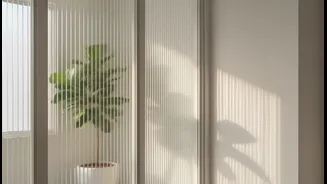
Fluted glass, also known as reeded or ribbed glass, is a type of decorative glass with vertical grooves pressed into its surface. These uniform channels create a distinct, textured appearance that plays with light and perception. Unlike flat, clear glass that offers
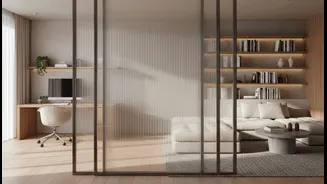
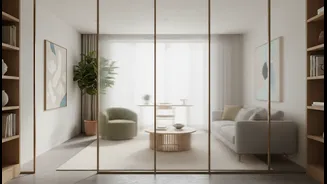
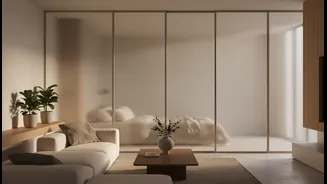
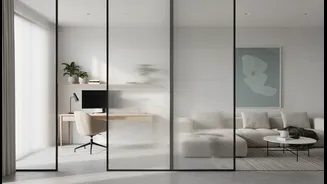
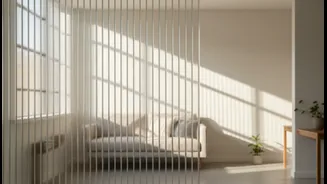
total transparency, or frosted glass that provides a uniform blur, fluted glass sits in a unique middle ground. The vertical pattern distorts the view, offering privacy by breaking up shapes and silhouettes into unrecognisable patterns, while still allowing a significant amount of light to pass through. This interplay of light and obscurity is what makes it such a compelling material for interior design.
The Magic of Light and Privacy
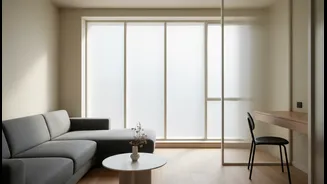
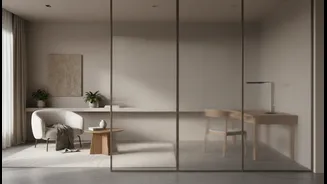
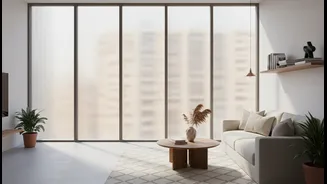
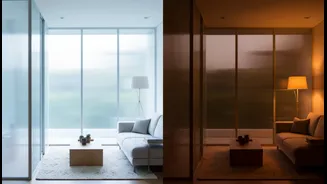
The primary appeal of fluted glass in small homes is its dual ability to enhance both privacy and daylight. In compact apartments where windows can be scarce or neighbours are close, it’s a brilliant solution. The grooves scatter light, reducing harsh glare and diffusing a soft, ambient glow deeper into a room. This makes spaces feel brighter and more open. Simultaneously, the distortion created by the ribs provides an effective visual screen. You can sense movement and shapes but not specific details, making it perfect for bathrooms, home office partitions, or any area where you need seclusion without building a solid, light-blocking wall. It strikes a perfect balance that few other materials can achieve.
Zoning Without Walls in Small Spaces
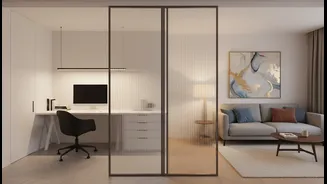
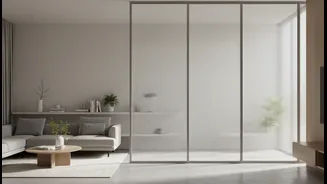
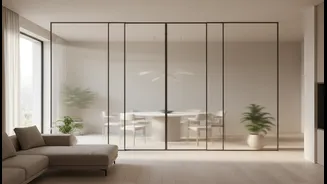
In studio apartments and open-plan homes, creating distinct functional zones without making the space feel cramped is a major challenge. Fluted glass partitions are an elegant answer. A sliding fluted glass door can separate a sleeping area from a living space, or a fixed panel can carve out a home office nook from a lounge. Because the glass is translucent, it maintains a sense of visual connection and flow, preventing the space from feeling compartmentalised and small. The vertical lines of the glass can also create an optical illusion, drawing the eye upward and making low ceilings feel taller, a valuable trick in any compact home.
Is It Timeless or Just Trendy?
The concern over trend-led waste is valid. No one wants to invest in a renovation only for it to look dated in a few years. Fluted glass, however, has a strong historical precedent. It rose to prominence during the Art Deco period in the 1920s and 1930s and had a revival in the mid-century modern era. This history suggests it’s more of a classic, cyclical design element than a fleeting fad. Its ability to complement various styles, from vintage to minimalist modern, gives it a versatile and timeless quality. While it is certainly enjoying a moment of peak popularity now, its clean lines and functional benefits suggest it has staying power beyond the current trend cycle.
The Practical Side: Cost and Care
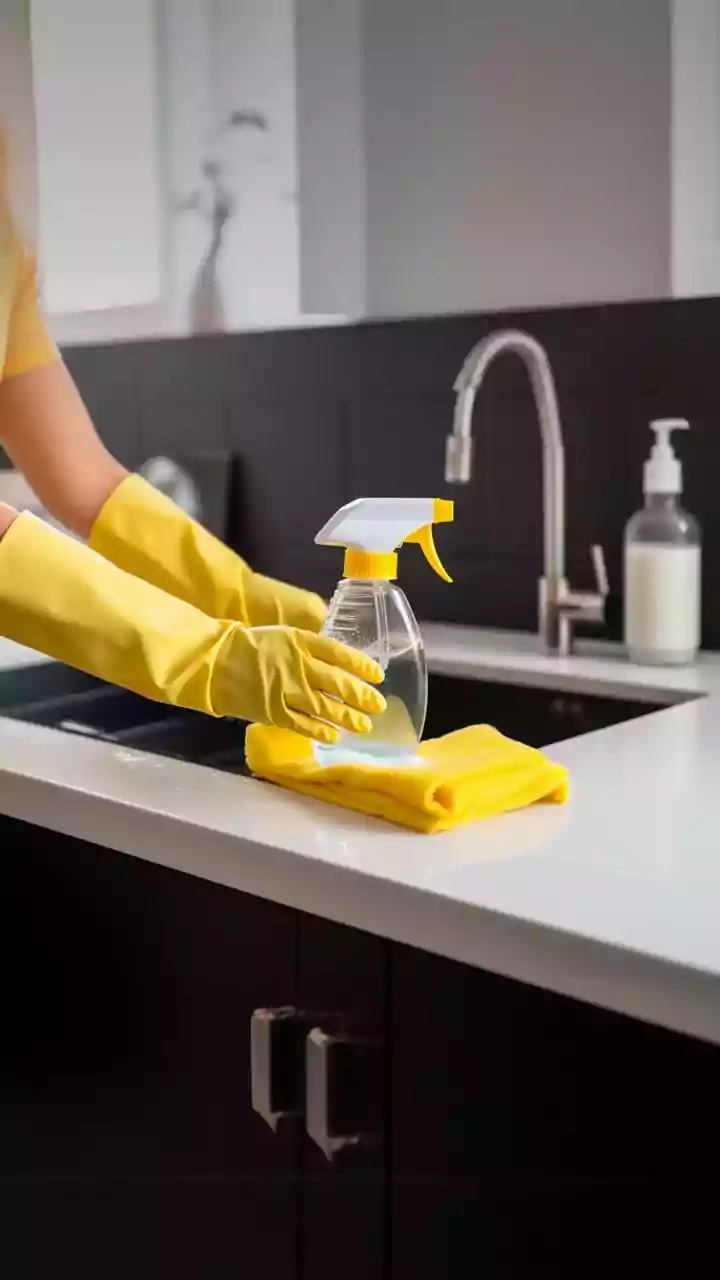
While aesthetically pleasing, practicalities like cost and maintenance are crucial. Fluted glass is generally more expensive than standard clear or frosted glass due to the more complex manufacturing process. The final cost will depend on factors like thickness, size, and whether it's part of a custom installation like a sliding door or a fixed partition. As for maintenance, it's relatively straightforward. The smooth side is easy to wipe clean, and while the grooved side can collect dust, regular cleaning with a soft brush or cloth keeps it looking pristine. Some find the grooves are better at hiding fingerprints and water streaks than plain glass, making it a practical choice for shower screens and kitchen cabinets.
A Smart Strategy to Avoid Renovation Waste
The key to using fluted glass without contributing to renovation waste is thoughtful application. Instead of being a purely trend-driven choice, view it as a long-term functional upgrade. High-quality, durable materials that serve a clear purpose are the cornerstone of sustainable design. If you’re hesitant to commit to a permanent wall, consider using fluted glass in more adaptable ways. It works beautifully in cabinet doors, movable screens, or as inserts in existing doors. This allows you to enjoy its benefits without a large-scale, permanent installation. By focusing on quality and function over fashion, fluted glass can be a durable investment that enhances your home for years, rather than a trend you'll want to replace.