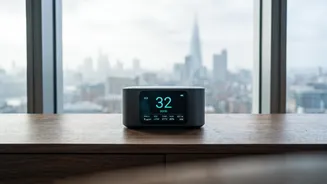




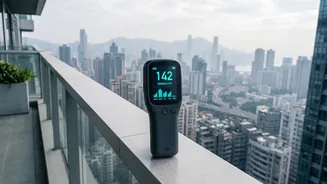


As winter arrives, the urge to run, walk, or exercise outdoors meets an invisible threat: air pollution. This guide helps you understand the Air Quality Index (AQI) so you can protect your lungs while staying active and healthy.
What is the Air Quality Index (AQI)?
The AQI is a tool used
by government agencies, including India's Central Pollution Control Board (CPCB), to communicate how polluted the air currently is. It simplifies complex data by converting measurements of eight major pollutants—including fine particulate matter like PM2.5 and PM10, carbon monoxide, and nitrogen dioxide—into a single number and colour-coded category. This number, ranging from 0 to 500, helps you quickly assess the health risks associated with breathing the outdoor air. The higher the AQI value, the greater the level of air pollution and the more significant the health concern.
Why Air Quality Worsens in Winter
Winter air pollution, especially in North India, is a predictable crisis. A phenomenon called temperature inversion is largely to blame. Normally, warm air near the surface rises, dispersing pollutants. In winter, a layer of warmer air traps the colder, denser air near the ground, acting like a lid. This traps all the pollutants from sources like vehicle exhaust, industrial emissions, construction dust, and smoke from stubble burning in neighbouring agricultural states. This combination of trapped pollutants and dense fog creates the thick, hazardous smog that chokes cities for weeks.
The Risk of Exercising in Polluted Air
When you exercise, your breathing rate increases significantly—you can inhale over 100 litres of air per minute compared to just 12 litres at rest. This means you draw a much larger volume of harmful pollutants deep into your lungs. These fine particles can bypass your body's natural filtration systems, enter the bloodstream, and trigger inflammation, cardiovascular stress, and respiratory issues. Exercising in 'Poor' or 'Very Poor' air can lead to immediate symptoms like coughing and chest tightness, and can reduce the long-term benefits of your workout. For those with asthma or heart conditions, the risks are even higher.
Your Exercise Plan by AQI Level
Knowing the numbers is key to making smart decisions. Based on India's national AQI categories, here’s a simple action plan for your workouts:
- AQI 0–50 (Good): Excellent air quality. Enjoy all outdoor activities without concern.
- AQI 51–100 (Satisfactory): Air quality is acceptable. Sensitive individuals might experience minor breathing discomfort on prolonged exertion.
- AQI 101–150 (Moderate): People with lung or heart disease, older adults, and children should reduce prolonged or heavy exertion. Healthy individuals can still exercise but may want to lower the intensity.
- AQI 151–200 (Poor): At this level, everyone may begin to experience some health effects. It is advisable to move workouts indoors. Sensitive groups should avoid all outdoor exertion.
- AQI 201–300 (Very Poor): This can cause breathing discomfort to most people on prolonged exposure. Avoid outdoor exercise.
- AQI 301+ (Severe): This is a health emergency. Remain indoors and avoid all physical activity outside.
Tips for Safer Outdoor Exercise
If you must exercise outdoors on a day with moderate pollution, a few strategies can help reduce your exposure. First, timing is crucial. Pollutant levels are often lower in the early afternoon when the sun has warmed the atmosphere, breaking the morning's temperature inversion. Avoid exercising during early morning and evening rush hours. Second, choose your location wisely. Opt for parks and green spaces away from heavy traffic. Studies show that pollution levels drop significantly even a short distance from major roads. While fabric or surgical masks offer little protection from fine PM2.5 particles, a certified N95 respirator can filter pollutants, though it can make breathing more difficult during intense exercise.
Smart Indoor Workout Alternatives
On days when the AQI is in the 'Poor' to 'Severe' range, shifting your workout indoors is the safest choice. This doesn't mean you have to skip your fitness routine. Effective indoor alternatives include bodyweight exercises like squats, planks, and pushups which build strength and can be done anywhere. High Intensity Interval Training (HIIT) offers a great cardiovascular workout in a short amount of time. Yoga improves flexibility and core strength while activities like Zumba or dancing can make your indoor cardio session more enjoyable. If you have access to a gym treadmills and stationary bikes are excellent options. When working out indoors ensure good ventilation or use an air purifier with a HEPA filter to maintain clean air inside.