



What Exactly Is Bamboo Rafting?
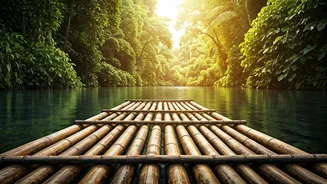
First, let’s clear up a common misconception: this isn’t the adrenaline-pumping, whitewater chaos you might associate with the word ‘rafting’. Bamboo rafting is its serene, meditative cousin. The vessel itself is a simple, sturdy raft constructed by tying
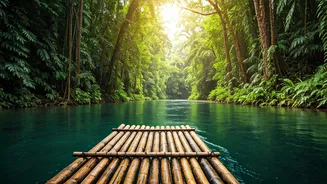
together long, buoyant bamboo poles. Instead of battling rapids, you glide gently along calm rivers, backwaters, and tranquil lakes. The journey is the destination. Propelled by a guide using a long pole to push off the riverbed, the experience is quiet, slow, and deeply immersive. It’s less about conquering nature and more about becoming a part of it, allowing you to observe your surroundings without the roar of an engine or the frantic splash of paddles.
The Heart of the Action: Kerala
While the activity is popping up in a few scenic spots, Kerala is undoubtedly the epicentre of India's bamboo rafting scene. The most iconic experience is found in Thekkady, within the Periyar Tiger Reserve. Here, the rafting programme is a brilliant example of community-based eco-tourism. It’s managed by a team of former poachers who have become protectors of the forest, lending the experience an incredible layer of authenticity and purpose. A typical trip on Periyar Lake involves a few hours of rafting combined with trekking through the surrounding forest. The silence of the raft makes it perfect for wildlife spotting. It’s not uncommon to see elephants, gaurs (Indian bison), sambar deer, and a stunning variety of birds along the water's edge, all undisturbed by your quiet passage. The combination of gentle activity, rich biodiversity, and community engagement makes Thekkady the gold standard.
Beyond the Backwaters: Other Serene Spots
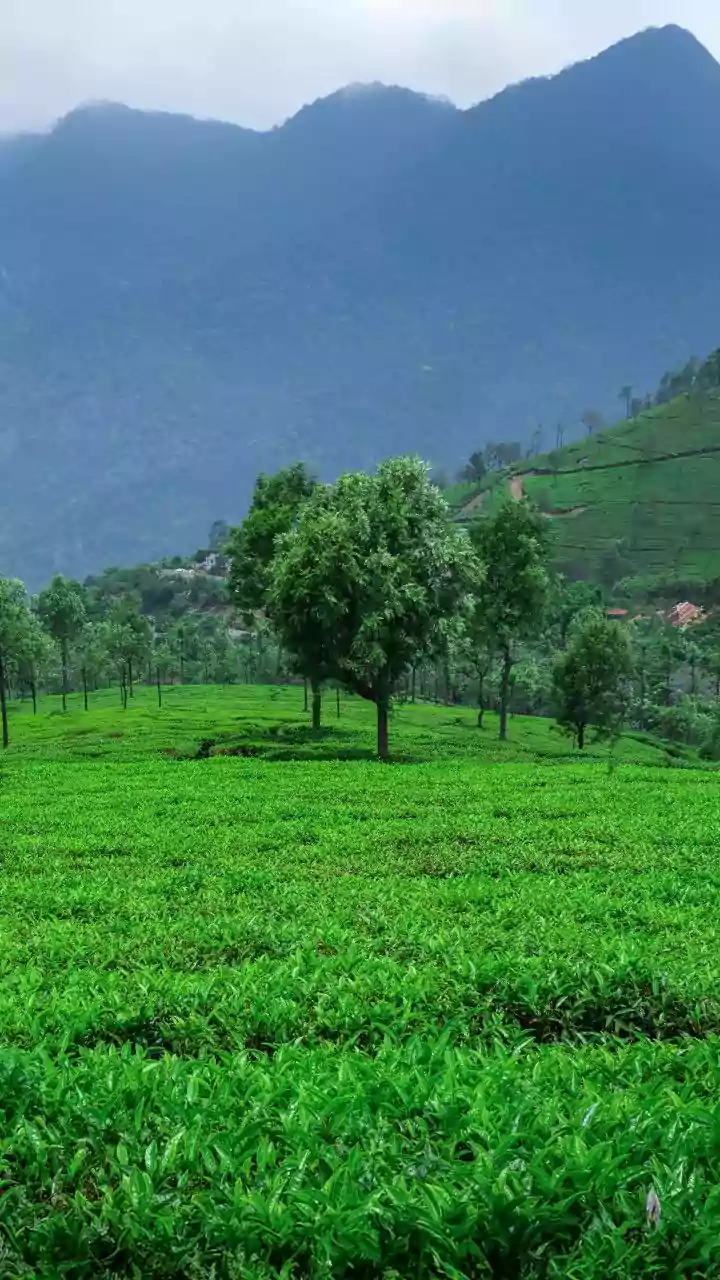
If you’re looking for options outside of Thekkady, you won’t be disappointed. Wayanad, another gem in Kerala, offers a different flavour of bamboo rafting on the Vythiri River or at Kuruva Island (Kuruvadweep). This dense river delta is made up of a cluster of islets, and navigating its calm, forest-lined streams on a bamboo raft feels like entering a lost world. The focus here is on the lush, dense greenery and the feeling of complete seclusion. Further north, in Karnataka, Coorg provides its own charming take on the activity. Rafting on the placid stretches of the Kaveri river offers a peaceful way to soak in the region’s famous coffee plantations and verdant hillsides from a unique vantage point. Each location offers a distinct atmosphere, but the core appeal remains the same: a slow, peaceful connection with nature.
More Than Just a Tourist Activity
The rising popularity of bamboo rafting speaks to a larger shift in how we want to travel. In an age of constant connectivity and fast-paced itineraries, travellers are increasingly seeking out ‘slow travel’—experiences that are mindful, sustainable, and meaningful. Bamboo rafting is the perfect embodiment of this ethos. Its environmental footprint is minimal; the rafts are made from natural, renewable materials and are human-powered. The activity often directly supports local communities and conservation efforts, as seen in Thekkady. It encourages a state of mindfulness, forcing you to slow down, listen to the sounds of the forest, and simply be present. It’s an antidote to the pressures of modern life, offering a few hours of pure, uncomplicated peace.
Planning Your Gentle Adventure
Ready to trade your phone for a pole? Planning a bamboo rafting trip is relatively straightforward. The best time to go is typically from September to March, after the monsoon season when the weather is pleasant and water levels are stable. Most rafting experiences are organized as half-day or full-day programmes, often run by state forest departments or certified local operators. Booking in advance is highly recommended, especially for popular spots like the Periyar Tiger Reserve, as slots are limited to minimize environmental impact. Wear comfortable, quick-drying clothes and sturdy walking shoes if your trip includes a trek. Don’t forget a hat, sunscreen, and a waterproof bag for your camera—you’ll want to capture the views, but not at the risk of a waterlogged phone. Most importantly, follow your guide’s instructions; they are experts on the local ecosystem and your key to a safe and enriching experience.