



A Landmark Directive for Passenger Safety
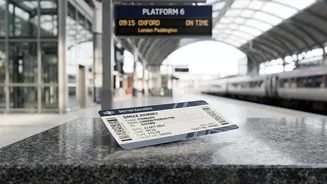
In a significant move for passenger welfare, the Supreme Court of India has directed Indian Railways to extend travel insurance coverage to all tickets purchased at railway station counters. This directive, effective from October 27, 2026, bridges a long-standing
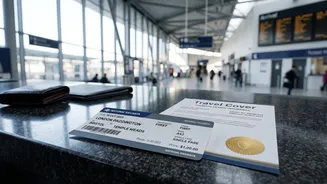
gap between online and offline ticketing. Previously, the optional insurance scheme was only available to those who booked their tickets through the IRCTC website or mobile app, leaving millions who rely on counter bookings without this facility. The court's order, issued in the wake of hearings related to the 2023 Odisha train accident, makes this a mandatory provision, holding the Railway Board directly responsible for its implementation. This decision ensures that access to financial protection during a train journey is no longer determined by a passenger's access to the internet.
How the Process Is Expected to Work
While the exact mechanism is being finalized by the Railway Board, the process for passengers at the counter will be designed for simplicity. It is anticipated that the reservation form will be updated with a new field or checkbox to opt into the insurance scheme. Passengers will likely need to provide a valid mobile number, which is crucial for receiving policy details and for any future communication regarding the insurance. Unlike the optional online system, the Supreme Court has indicated this coverage will be mandatory for counter tickets. This means the insurance may be automatically included with the ticket purchase. Passengers should look for official announcements from Indian Railways for the final, detailed procedure. The goal is to create a seamless process that provides this essential protection to every passenger, regardless of how they buy their ticket.
Affordable Premium for Extensive Coverage
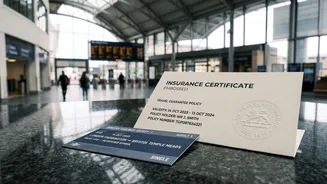
The existing online insurance scheme is known for its remarkably low cost, and the counter-ticket scheme is expected to follow suit. For online tickets, the premium is a nominal 45 paise per passenger, inclusive of all taxes. While the final premium for counter-booked tickets is yet to be confirmed by the Railway Board, it is expected to be similarly affordable to ensure it is accessible to all, including those from economically weaker sections. This small fee provides significant financial coverage. In the unfortunate event of a train accident, the policy offers substantial support. The standard coverage includes up to ₹10 lakh for death or permanent total disability, ₹7.5 lakh for permanent partial disability, and up to ₹2 lakh for hospitalization expenses. It also typically includes up to ₹10,000 for the transportation of mortal remains.
The Crucial Step: Updating Nominee Details
Once the ticket is purchased and the insurance is active, there is a critical step that passengers must not overlook: updating nominee details. For online bookings, a link to update this information is sent via SMS and email. A similar system is expected for counter bookings, where an SMS with a link will be sent to the mobile number provided. The nominee is the person who can file a claim on the passenger's behalf in the event of death. Failing to update these details can lead to significant legal hurdles and delays for the family when trying to process a claim. The process usually involves visiting the insurance provider's website, entering the PNR number and mobile number, and then filling in the nominee's name, age, and relationship. This simple action takes only a few minutes but is vital for ensuring the benefits of the insurance can be accessed smoothly when needed most.
Filing a Claim
Should the need to file a claim arise, the process is handled directly by the designated insurance company, not by Indian Railways or IRCTC. The policy documents, received via SMS or email, will contain the name and contact details of the insurer (companies like SBI General Insurance or Liberty General Insurance are common partners). To file a claim, the passenger or their nominee must contact the insurance company as soon as possible after the incident. They will need to submit a duly filled claim form along with necessary documents. This typically includes the original ticket (or PNR details), a report from the railway authorities confirming the accident, and relevant medical or police reports, depending on the nature of the claim. Keeping the policy information and the ticket details safe is essential for a straightforward claims process.