
Earth's Hostile Sibling
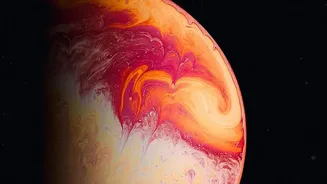
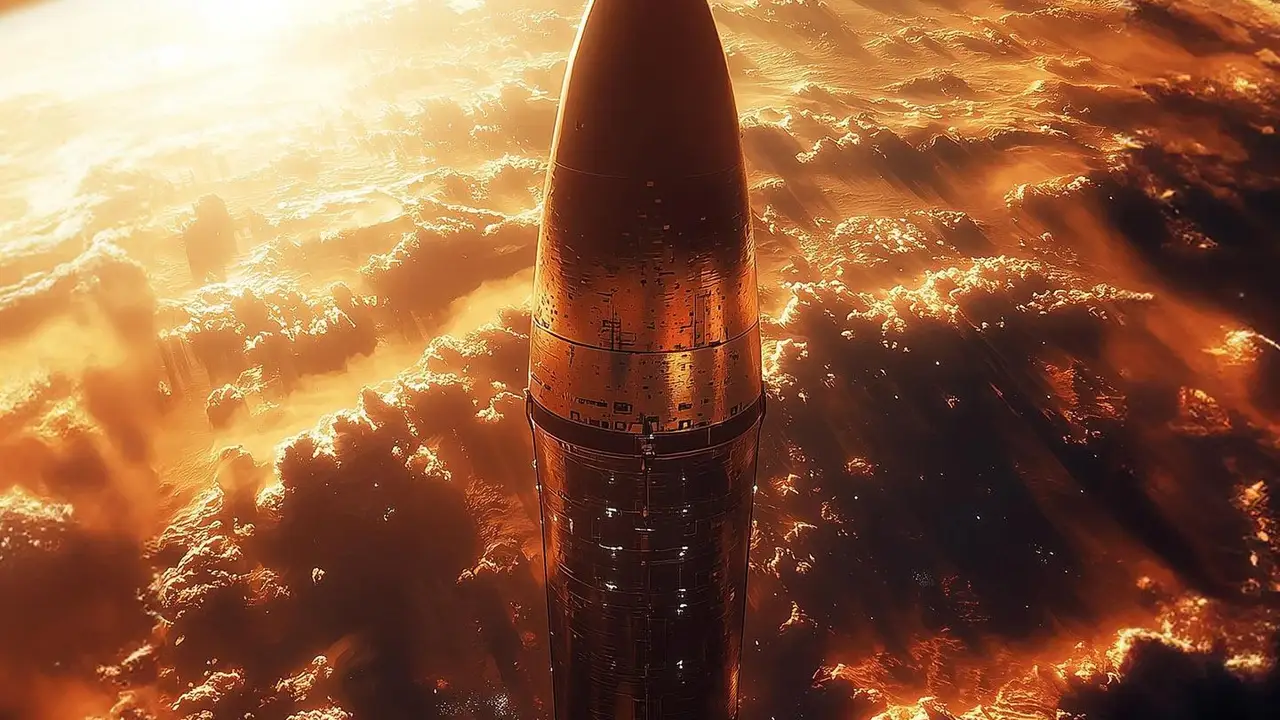
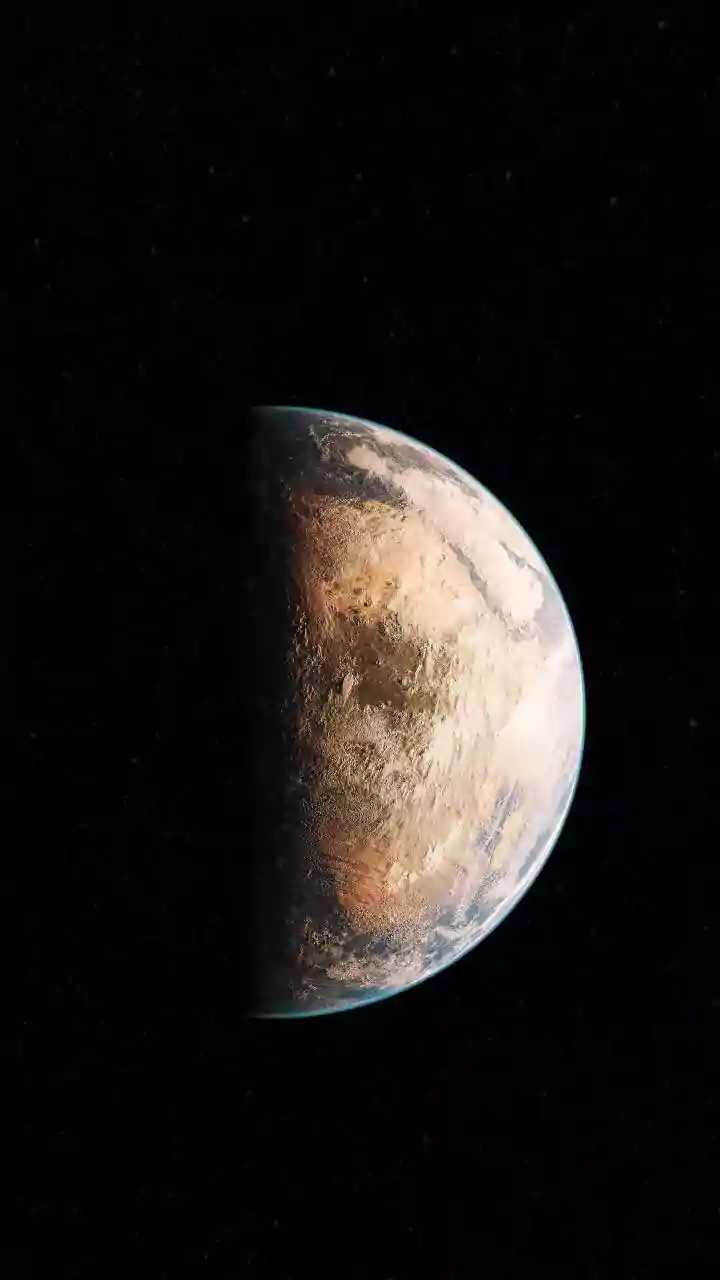
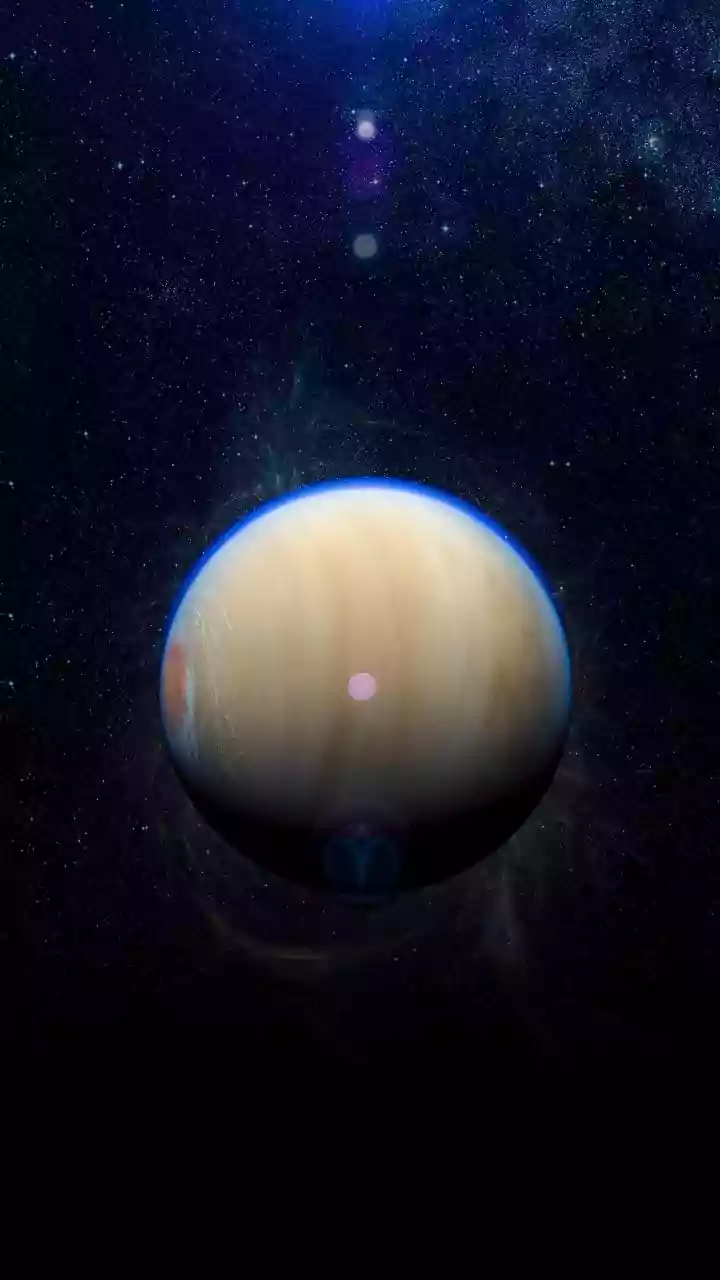
Imagine a world with surface temperatures hot enough to melt lead and atmospheric pressure over 90 times that of Earth's. That is Venus. Its atmosphere is a toxic cocktail of over 96% carbon dioxide, which has created a runaway greenhouse effect. This
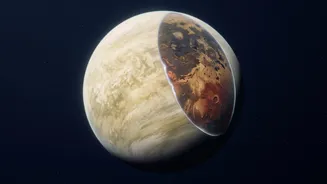
suffocating blanket of gas, combined with clouds of corrosive sulfuric acid, makes Venus one of the most inhospitable places in our solar system. These very conditions are why studying the planet is so challenging; landers sent in the past survived only for a couple of hours at most. The dense clouds completely obscure the surface from conventional telescopes, meaning we know less about the ground on our closest planetary neighbour than we do about more distant worlds.
The Secrets Hidden Within the Clouds
The impenetrable clouds of Venus are not just an obstacle; they are a primary scientific target. Scientists want to understand the planet's atmospheric super-rotation, where the winds move much faster than the planet itself rotates. The clouds also hold clues to Venus's past, including whether it once had liquid water before evolving so differently from Earth. There is also the ongoing mystery of potential lightning, a phenomenon debated for decades. Unlike on Earth where lightning is tied to water clouds, on Venus it would be generated within the sulfuric acid clouds, a process that could dramatically alter the atmosphere's chemistry. Some sensors will even search for trace gases like phosphine, which, while contested, ignited interest in the possibility of atmospheric microbial life.
A Toolkit for an Alien Atmosphere
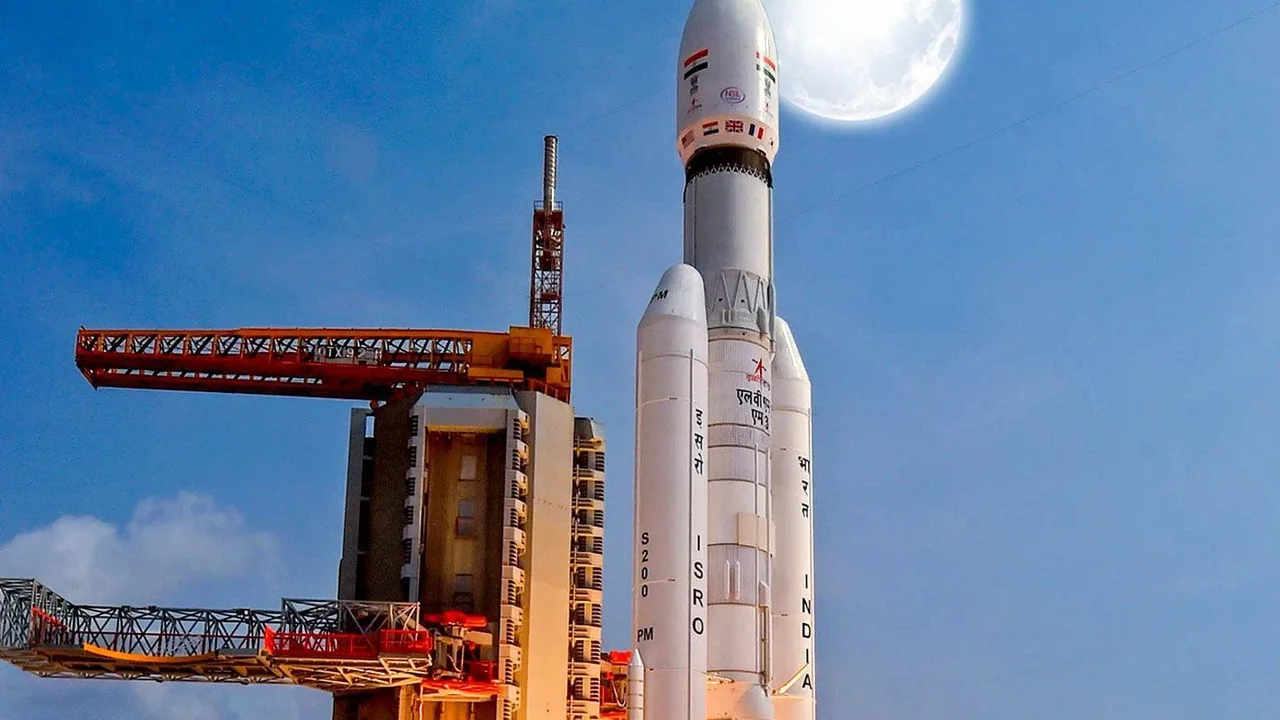
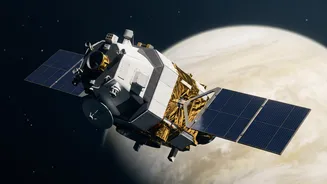
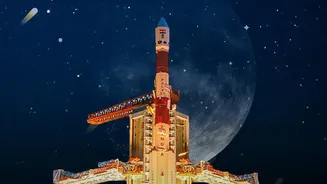
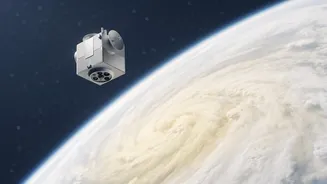
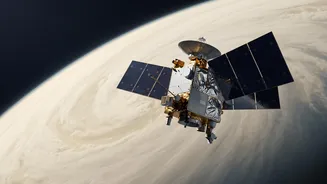
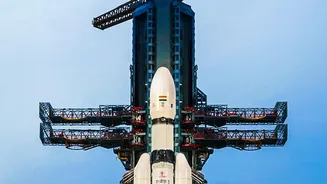
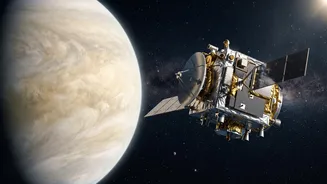
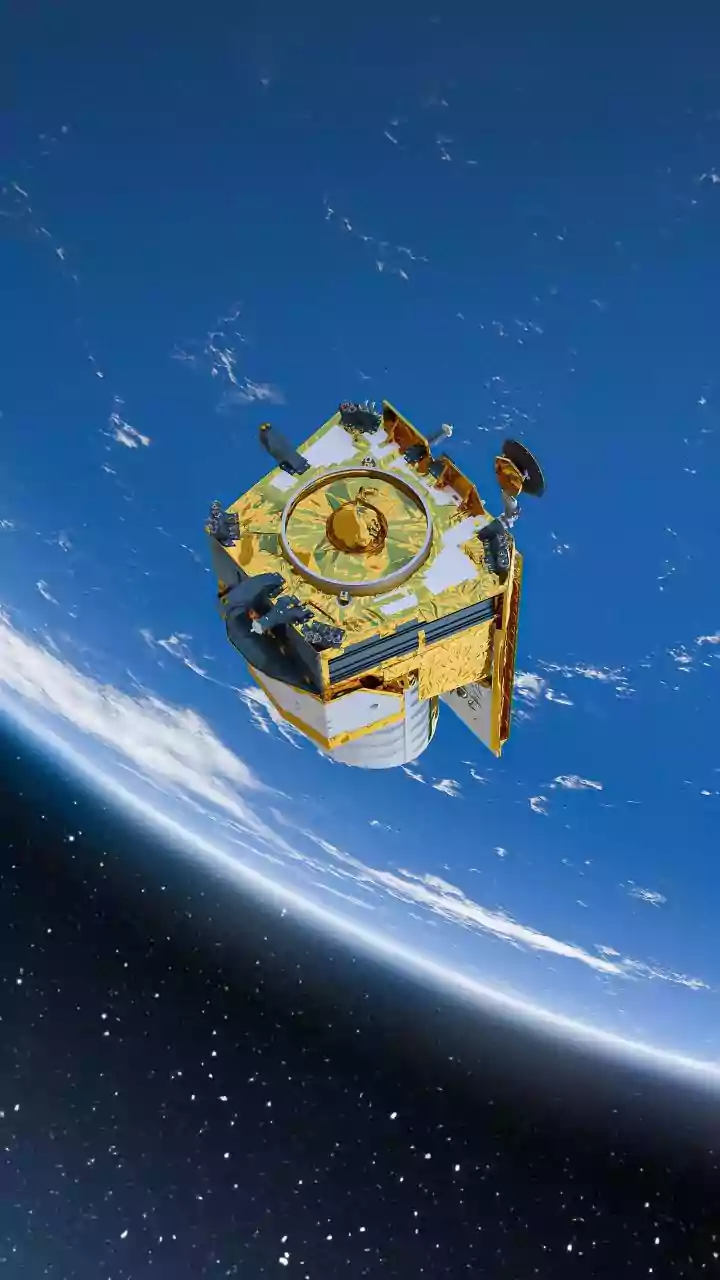
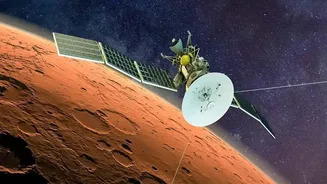
To tackle these mysteries, ISRO's Shukrayaan orbiter, scheduled for a March 2028 launch, is equipped with a suite of approximately 19 advanced Indian and international instruments. One of the key instruments is a high-resolution Synthetic Aperture Radar (SAR). This radar is designed to pierce through the thick cloud cover, allowing it to map the planet's volcanic surface day or night, in any weather. The mission will also be the first to carry a ground-penetrating radar to study the shallow subsurface of Venus. For atmospheric studies, an instrument called VIRAL (Venus Infrared Atmospheric Gases Linker), a collaboration with Russia and France, will analyse the composition of the atmosphere. Another payload, the Venusian Neutrals Analyzer (VNA) from Sweden, will study how solar wind strips gases from the atmosphere, providing insight into how Venus lost its water.
Peering Through the Veil
Each sensor is designed to answer specific questions. The Synthetic Aperture Radar will search for signs of active volcanoes and lava flows, giving us a clearer picture of the planet's geology. Other instruments, such as thermal cameras and spectrometers, will measure temperature variations and the chemical makeup of the clouds and atmosphere. They will hunt for specific gases, map cloud structures, and monitor for lightning. By using a range of sensors that detect everything from infrared and ultraviolet light to radar waves and charged particles, Shukrayaan can create a complete, multi-layered view of Venus. This approach is critical because no single instrument can capture the full picture of such a complex and dynamic world.
Why Understanding Venus Matters for Earth
The Shukrayaan mission is about more than just exploring another planet. Venus serves as a natural laboratory for understanding how planetary climates can drastically change. Since Venus is so similar to Earth in size and mass, learning why its path diverged into a hothouse world can provide invaluable insights into Earth's own climate evolution and the fragility of habitable environments. Officially approved in September 2024, the mission solidifies India's role as a key player in interplanetary exploration, following the success of its Mars Orbiter Mission. By unravelling the secrets of our celestial neighbour, ISRO aims to contribute vital knowledge to the global scientific community, helping us understand our own planet's past and future.