




Embrace Flexible Bookings
The single most important rule for monsoon travel is to build flexibility into your plans. Heavy rain can cause sudden flight delays, train cancellations, and road closures. Opting for flexible fares on flights and trains is a wise investment. Airlines
like IndiGo and Air India Express offer 'Flexi' fare options that allow for changes to your travel dates with minimal or no fees. Similarly, many hotel booking platforms now feature filters for 'free cancellation' or 'flexible booking'. This allows you to alter your stay without penalty if weather disrupts your itinerary. Paying a small premium for this flexibility can save you from major financial headaches and stress if your plans are forced to change.
Rethink Your Itinerary and Pace
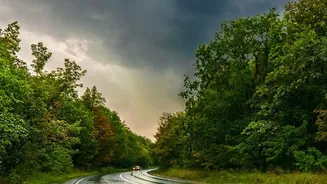
A packed, minute-by-minute schedule is not suited for monsoon travel. Instead, plan a more relaxed itinerary with buffer days built in. For instance, if you have a flight to catch, aim to arrive in the departure city a day or two early to avoid missing it due to travel delays. Focus on destinations that offer a good mix of indoor and outdoor activities. If a downpour ruins your plan to visit a garden or fort, you can pivot to a museum, a local cooking class, or a cafe. It's also smart to choose accommodations that are close to transport hubs to minimize time spent navigating waterlogged streets. Before heading out each day, check with your hotel about local road conditions and any weather warnings.
Pack Smart for Wet Conditions
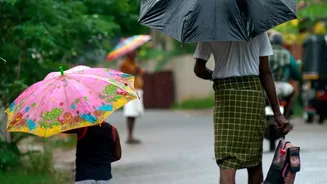
Your packing list for a monsoon trip is different from any other. The goal is to stay dry and comfortable. Leave heavy fabrics like denim and thick cotton at home, as they take forever to dry and can start to smell damp. Instead, pack lightweight, synthetic, and quick-drying clothes. Essential items include a reliable waterproof jacket, a sturdy umbrella that can withstand wind, and appropriate footwear. Rain-proof sandals or floaters with good grip are ideal for city sightseeing, while waterproof hiking shoes are necessary for any trekking. A waterproof backpack or a rain cover is crucial to protect your belongings, and using dry bags or resealable plastic bags for electronics, documents, and medicines provides an extra layer of security.
Navigate Delays and Downtime
Despite the best planning, delays are a part of the monsoon travel experience. The key is to treat this downtime as part of the journey rather than a waste of time. Keep your essential items in your carry-on bag, including a change of clothes, medications, and a power bank, in case of long delays or unexpected overnight stays. Download maps, books, movies, and podcasts to your devices before you travel, as mobile networks can be unreliable during heavy storms. If a flight is significantly delayed, be aware of your rights. Under DGCA rules, airlines are often required to provide meals and refreshments for delays exceeding two hours, even if the cause is weather-related.
Enjoy the Upside of Off-Season Travel
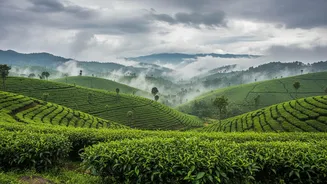
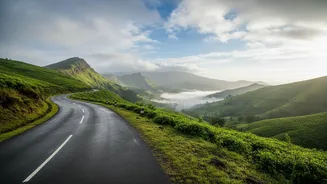
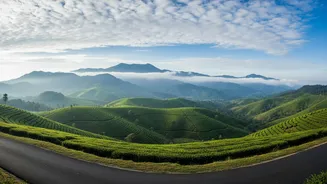
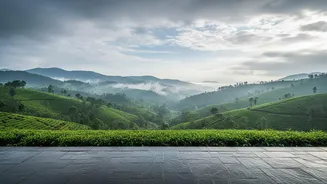
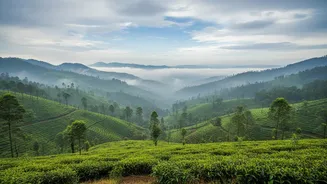
While the forecast for August 2026 suggests potentially below-normal rainfall in some regions due to El Niño effects, localised heavy downpours remain a certainty across much of the country. This shouldn't be a deterrent. Travelling during the monsoon means you'll encounter fewer crowds at popular monuments and natural sites. The landscape is transformed into a vibrant, lush green spectacle that is missed during the dry tourist season. Furthermore, flight and hotel prices are often significantly lower than during the peak winter months, making it a more budget-friendly time to explore India. With the right mindset and preparation, the monsoon can offer one of the most beautiful and rewarding travel experiences.