





Anatomy of a Viral Dish
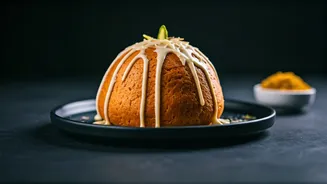
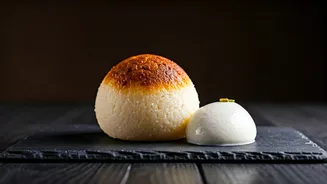
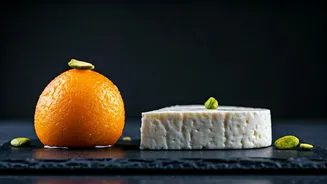
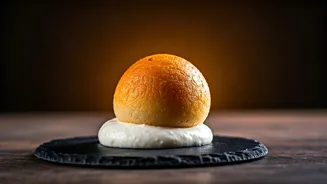
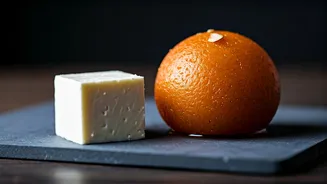
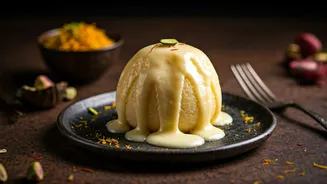
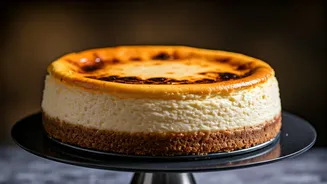
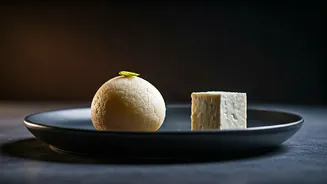
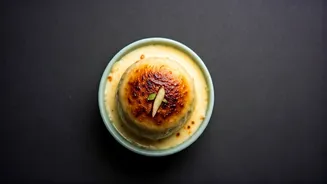
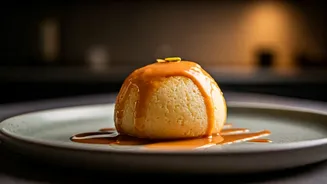
So, what exactly is Rasgulla Cheese? The trend takes several forms, but the most common iteration causing a stir online involves classic, syrup-soaked rasgullas being topped, either with a slice of melted cheese, a dollop of cheese spread, or baked into
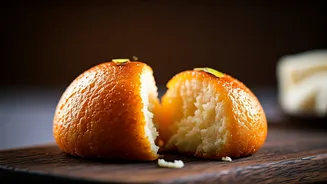
a cheesecake. Rasgulla, a beloved dessert with deep cultural roots in Eastern India, is made from soft, spongy balls of chhena (an Indian cottage cheese) boiled in a light sugar syrup. Its delicate sweetness and melt-in-the-mouth texture are its hallmarks. The addition of a salty, savoury, and often processed cheese creates a flavour profile that is, to put it mildly, unexpected. The combination of sweet and savoury is not new, but the specific clash of the light, syrupy rasgulla with the dense, salty tang of cheese is what has captured the internet's horrified curiosity.
The Internet's Fierce Debate
The reaction online has been swift and passionate, falling into roughly three camps. First, the purists. For them, this is nothing short of a culinary crime, an insult to a dessert that is tied to tradition, festivals, and cherished memories. Social media comments are filled with declarations of horror and disgust. Then there are the curious experimenters, the ones who believe no food combination is too strange to try at least once. This group is smaller but vocal, often defending the dish as a quirky innovation. Finally, there is the largest group: the meme-makers. For them, Rasgulla Cheese is not just food; it is content. It has become a symbol of the bizarre food trends that populate our feeds, a joke to be shared and laughed at, regardless of its actual taste.
Not the First Food Fight
Rasgulla Cheese does not exist in a vacuum. It is part of a larger, ongoing trend of bizarre food fusions that have gone viral in India. We have seen everything from Maggi noodles made with chocolate sauce to Oreo pakodas and ice cream served with pickles. These culinary mashups are often born in the kitchens of street vendors, college canteens, or creators on social media, designed to shock and intrigue. They tap into a desire for novelty and the shock value that drives engagement online. Each new bizarre combination reignites the same debate, proving that in India, food is never just about flavour; it is about identity.
Innovation or Abomination?
The heart of the controversy lies in a fundamental question: where is the line between culinary innovation and cultural sacrilege? Proponents of fusion argue that food is constantly evolving. They point out that many of what we consider 'traditional' dishes were once novel inventions themselves. The modern, spongy rasgulla, for instance, was popularized by confectioner Nobin Chandra Das in the 19th century as an innovation on an older, denser sweet. From this perspective, Rasgulla Cheese is simply the next step in a long history of culinary experimentation. However, opponents argue that some classics are best left untouched. Rasgulla holds a place of reverence, tied to religious rituals and regional pride, with both West Bengal and Odisha holding GI tags for their versions. To them, altering such an iconic dish feels less like innovation and more like a gimmick that erodes cultural heritage for the sake of a few clicks.
The Psychology of Comfort Food
Why do we react so strongly to a dish we have never tasted? The answer lies in the psychology of comfort food. Dishes like rasgulla are tied to powerful emotions and memories of childhood, family, and celebration. They provide a sense of stability and connection to our past. When someone dramatically alters a comfort food, it can feel like they are tampering not just with a recipe, but with our personal and cultural identity. The visceral, almost instinctual rejection of Rasgulla Cheese by so many is a defence mechanism, a way of protecting the sanctity of those memories. It is a declaration that some things, especially the taste of home, should remain pure and unchanged.