
The Joy of Minimal Cleanup
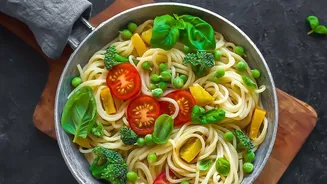
Let’s start with the most glorious benefit: fewer dishes. After a long day, the sight of a sink piling up with pots, pans, cutting boards, and various utensils can be utterly demoralising. One-pot cooking is the antidote. By design, every ingredient—from
aromatics to vegetables, proteins, and grains—is cooked in a single vessel. This streamlined approach means that once dinner is served, your cleanup is practically finished. Instead of scrubbing multiple pans, you’re left with one pot, your plates, and your cutlery. This single change dramatically reduces the post-dinner workload, freeing up precious evening hours for relaxation, family time, or simply putting your feet up.
Simplified Prep and Reduced Stress
The efficiency of one-pot meals begins long before cleanup. The entire cooking process is simplified. You aren't juggling multiple burners, timing different components in separate pans, or managing a chaotic countertop. The process is often linear: sauté aromatics, add vegetables, pour in liquid and grains, and let it simmer. This method not only saves time but also reduces the mental load associated with cooking. Research suggests that simplified routines can lower stress and anxiety, and a straightforward recipe is a perfect example of this in practice. It makes cooking feel less like a chore and more like a manageable, even calming, activity at the end of a hectic day.
Nutrient-Packed and Effortlessly Balanced
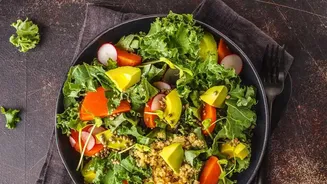
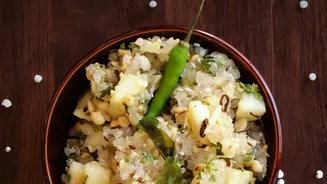
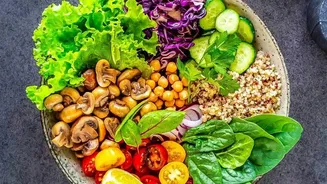
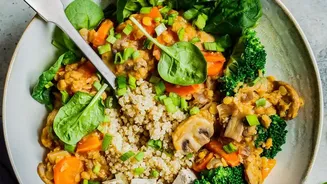
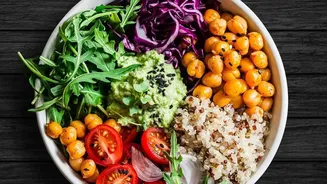
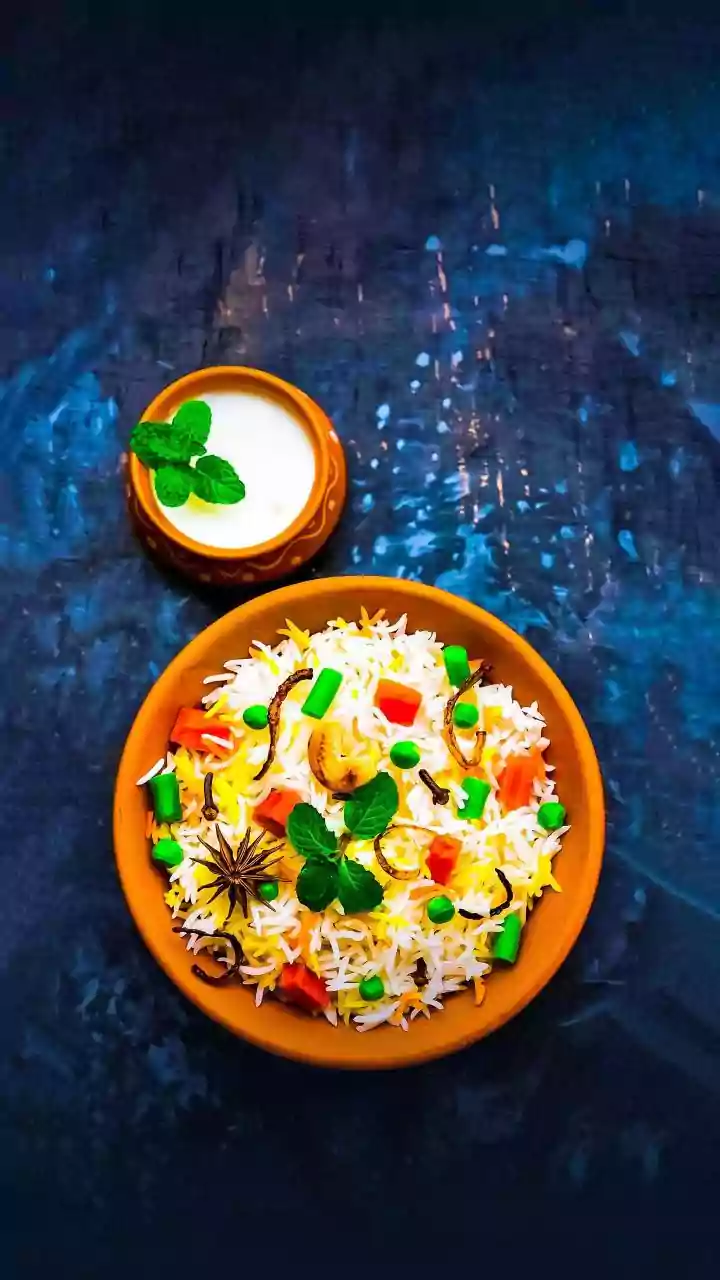
A common concern with simple meals is whether they are nutritionally complete. One-pot vegetarian dishes excel here. It's easy to build a balanced meal by combining vegetables, plant-based proteins like lentils or chickpeas, and whole grains such as quinoa or rice all in one dish. As the ingredients cook together, their flavours meld, and nutrients from the vegetables leach into the cooking liquid, which is then absorbed by the grains. This means you’re not pouring any vitamins down the drain. From a hearty lentil stew to a vibrant chickpea curry, these meals are packed with fibre, protein, and essential nutrients, proving that healthy eating doesn’t have to be complicated.
Budget-Friendly and Sustainable
One-pot vegetarian cooking is also incredibly economical. Many recipes are built on affordable pantry staples like dried beans, lentils, pasta, and canned tomatoes. This style of cooking is perfect for using up leftover vegetables lingering in your fridge, helping you reduce food waste and save money on groceries. Instead of letting that half-eaten bell pepper or lonely carrot go to waste, you can chop them up and add them to the pot. Furthermore, by using a single burner and less water for washing up, you can even see a small reduction in your utility bills, making it a sustainable choice for both your wallet and the environment.
Reclaiming Your Weeknight Evenings
Ultimately, the time saved by embracing one-pot meals isn't just about minutes shaved off a task; it's about reclaiming your personal time. It’s the difference between spending an hour in the kitchen after work and spending 20 minutes. That extra time can be spent connecting with family, pursuing a hobby, or simply decompressing. When dinner becomes less of a production, it allows for more space in your life for what truly matters. Cooking can become a source of accomplishment rather than a burden, providing a nourishing meal that fuels your body without draining your spirit.