

Reading the Signs of Discomfort
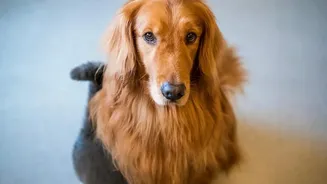
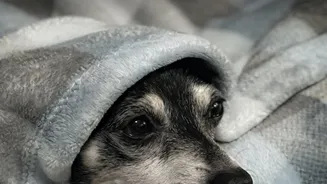
Pets communicate their feelings primarily through body language, which can be easy to miss if you don't know what to look for. Subtle signs of stress in dogs include yawning when not tired, frequent lip licking, and showing the whites of their eyes (often
called 'whale eye'). They might also turn their head away, hold their ears back, or keep their body tense and rigid. Cats show stress by flattening their ears, crouching low to the ground, or having wide, dilated pupils. A twitching tail can also indicate irritation. More obvious signs for any pet include growling, hissing, or attempting to hide or move away. These are not signs of a 'bad' pet; they are clear requests for space and should always be respected.
Why Children and Crowds Can Be Stressful
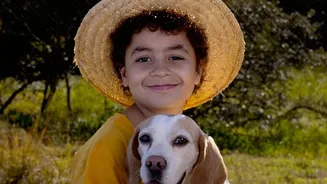
From a pet's perspective, children and large groups can be unpredictable and overwhelming. Children, especially toddlers, often have fast, jerky movements and may not understand how to interact gently. They might pull on ears or tails, hug too tightly, or make loud noises that can startle an animal. Crowds present a different challenge: a barrage of new smells, sounds, and people trying to touch them. This constant stimulation without a place to retreat can lead to significant anxiety. In these situations, a pet may feel cornered or threatened, which increases the risk of a defensive reaction like a snap or a scratch. Understanding this helps you see the situation from their point of view and manage it proactively.
Create a Safe Haven at Home
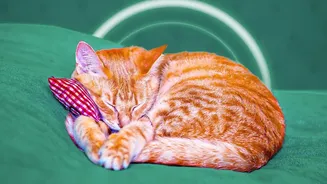
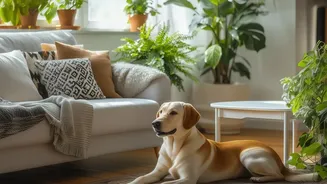
Every pet deserves a designated safe space where they can retreat and be left completely alone. This could be a crate with a comfy bed, a specific room, or even just a quiet corner away from high-traffic areas. The most important rule for this space is that no one, especially children, is allowed to bother the pet while they are there. This teaches both your pet that they have a secure place to decompress and teaches children to respect the animal's boundaries. Having this zone is not a punishment; it's a vital tool for your pet's emotional well-being, allowing them to self-regulate and manage their own stress levels.
Supervise and Guide Interactions
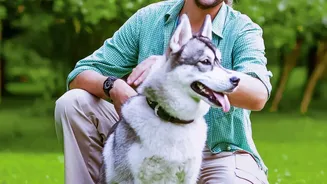
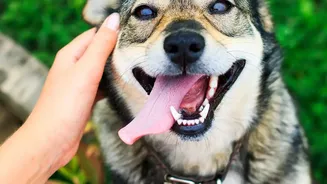
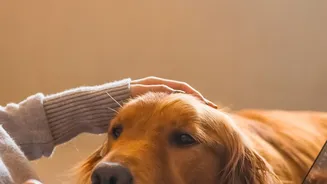
All interactions between pets and young children should be actively supervised by an adult. It's an opportunity to teach children empathy and the right way to engage with an animal. Use simple, clear language like, "We pet gently with one hand," or "Let's give the dog space while he is eating." Show children how to pet an animal on their back or side, avoiding sensitive areas like the face, paws, or tail. Crucially, teach them to ask for permission before petting any dog, even their own, and to let the animal approach them first. When children learn to respect a pet's signals from a young age, they build a foundation for a safe and loving relationship.
Navigating Gatherings and Public Spaces
When you have guests over, your home's dynamics change. This can be stressful for a pet that is used to a quiet routine. If your pet seems overwhelmed, don't force them to socialize. Allow them to retreat to their safe space. You can also use baby gates to create physical boundaries, giving your pet a secure area away from the main activity. If guests are not respecting your instructions to give the pet space, it's perfectly acceptable to move your pet to another room where they can be calm. Your primary responsibility is your pet's well-being. Recognizing when a situation is too much for them and taking action is a key part of responsible pet ownership.