







Thinking Beyond the Ticket Price
The most affordable travel option isn't always the one with the cheapest fare. A budget flight might seem like a steal, but the total cost often includes expensive taxis from a distant airport, steep fees for check-in baggage, and pricey in-flight meals.
Similarly, driving your own car involves fuel, tolls, and potential parking charges at your destination. A truly budget-friendly choice considers the entire door-to-door journey. Overnight journeys on trains or buses offer a hidden saving by doubling as accommodation for one night, effectively cutting down your hotel expenses.
The Ever-Reliable Indian Railways
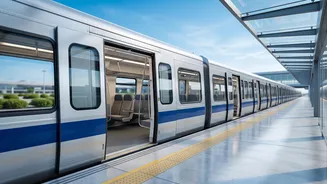
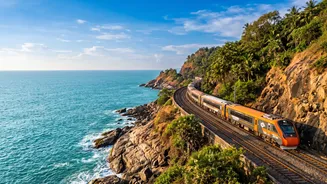
For long-distance travel in India, trains are often the most economical and scenic option. Indian Railways offers a variety of classes to suit every budget, from the ultra-affordable Sleeper Class to the more comfortable AC tiers. Sleeper Class is the go-to for many budget travellers, especially in cooler weather, providing a flat berth for overnight journeys at a very low cost. For those wanting more comfort, 3AC offers air-conditioning and included bedding at a price point that still provides excellent value. The main drawback is the need to book tickets well in advance, especially on popular routes, as seats fill up quickly. However, booking early is the single best way to secure a low fare.
The Rise of the Modern Bus
Buses have become a formidable competitor to trains, particularly for routes where trains are unavailable or for last-minute travel. Modern AC sleeper buses, operated by private companies, offer a level of comfort that can rival AC train classes, often at a lower price point. These buses provide private berths with curtains, charging points, and blankets, making overnight travel convenient and comfortable. While trains might be cheaper in the non-AC sleeper class, an AC bus is frequently a better deal than a 2AC or 3AC train ticket, especially for spontaneous trips. They are particularly useful for reaching hill stations and towns that lack rail connectivity.
When Flights and Cars Make Sense
Budget airlines can be a great time-saver for long-haul routes over 1,000 kilometres, where a train journey could take more than a day. However, it's crucial to be aware of the add-on costs. Airlines charge extra for everything from seat selection to check-in baggage, which can quickly inflate the final price. Driving your own car or renting one becomes economical for group travel. When four or five people share the cost of fuel and tolls, it can work out cheaper per person than booking individual train or bus tickets, while offering unbeatable flexibility to stop and explore along the way.
The 'Last Mile' Can Make or Break a Budget
Your transportation costs don't end when you arrive in your destination city. The cost of getting from the station or airport to your hotel, and then exploring the sights, is a critical part of the budget. This is known as last-mile connectivity. In many tourist destinations, renting a scooter is far cheaper than relying on taxis. Using local public transport like city buses or shared autos is another excellent way to save money. Before booking your hotel, check its proximity to public transport hubs. A slightly more expensive hotel that is centrally located may save you a significant amount on local travel, making it a smarter choice overall.