





Brussels: The Great Waffle Debate
Your journey begins in the heart of Belgium, Brussels, a city where the scent of baking dough is a constant companion. Here, you'll encounter the country's most famous culinary export: the waffle. But not all waffles are created equal. The Brussels waffle is light,
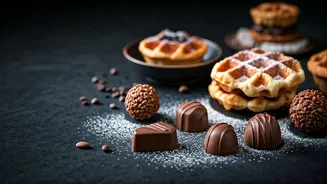
crispy, and rectangular, with deep pockets perfect for holding toppings like powdered sugar, fresh fruit, or whipped cream. In contrast, the Liège waffle, made from a brioche-like dough with embedded pearls of sugar, is denser, chewier, and caramelised on the outside. It's a handheld delight often enjoyed on its own. For an authentic experience, visit an institution like Maison Dandoy, which has been serving both varieties since 1829 and is famous for its speculoos biscuits as well. Whether you prefer the airy crispness of the Brussels style or the rich chewiness of the Liège, the capital city offers the perfect education.
Bruges: A Chocolate Lover’s Dream
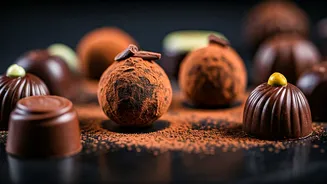
A short train ride away lies Bruges, a fairytale city of canals and cobbled streets that also happens to be a mecca for chocolate aficionados. While the praline was invented in Brussels, many argue it was perfected in Bruges, where over 2,000 chocolatiers ply their trade. This is the place to explore beyond big brands and discover small, family-run shops. Step into boutiques like Dumon, known for its creamy, smooth chocolates and picturesque storefront, or The Chocolate Line, where creative chef Dominique Persoone crafts unconventional flavours. Many shops offer a pick-and-mix option, allowing you to sample a variety of pralines, truffles, and other creations. It's a city where every corner seems to house another treasure trove of cocoa, making it an essential stop for any dessert lover.
Ghent: The Curious Case of the Cuberdon
Next, travel to the vibrant city of Ghent to seek out a truly local and unique confection: the cuberdon. Affectionately known as 'neuzekes' or 'little noses' due to their conical shape, these candies are a Ghent specialty. Traditionally raspberry-flavoured and purple, a cuberdon has a firm outer shell that gives way to a sweet, gooey, syrup-like filling. The recipe is said to have been discovered by a Ghent pharmacist by accident in the 19th century. You'll find them sold from charming carts, particularly in the Groentenmarkt square. Their shelf life is notoriously short—only about three weeks before the inside starts to crystallise—which is why they are rarely found outside of Belgium. This fleeting freshness makes tasting a cuberdon in its hometown a truly special experience.
A Final Sweet Stop: The Spiced Speculoos
No Belgian dessert tour is complete without paying homage to the speculoos. This thin, crunchy, spiced biscuit has roots stretching back to the 17th century, when spices like cinnamon, nutmeg, and cloves became more available. Traditionally, these biscuits were baked for St. Nicholas' Day on December 6th, often pressed into intricate wooden molds. While the Dutch version (speculaas) is heavily spiced, the Belgian speculoos often has a more caramelized flavour. Companies like Lotus Bakeries, founded in 1932, helped popularize the biscuit globally, where it is now known as Biscoff. You can find artisanal versions in bakeries across the country, including the historic Maison Dandoy in Brussels. It’s the perfect crunchy souvenir to take home, a flavourful reminder of your sweet journey through Belgium.