




A Month of Spiritual Cleansing
Shravan, the fifth month of the Hindu lunar calendar, is dedicated to Lord Shiva and is considered one of the most auspicious periods for spiritual practices. Many devotees observe fasts, particularly on Mondays (Shravan Somvar), as a form of devotion
and discipline. This period of spiritual reflection is deeply intertwined with a specific dietary approach that aims to purify not just the soul but the body as well. The diet followed during this time is meant to be light and easy on the digestive system, which is believed to be weaker during the monsoon season when Shravan typically falls. The focus shifts away from heavy, rich foods towards a simpler, more wholesome way of eating that supports both physical and spiritual well-being.
The Philosophy of Sattvic Food
The diet during Shravan is predominantly Sattvic, a concept rooted in Ayurveda. Sattvic foods are considered pure, natural, and calming, promoting clarity and peace of mind. This means avoiding foods that are Rajasic (stimulating, like onion and garlic) or Tamasic (heavy, stale, or impure, like meat and alcohol). The Shravan plate is therefore a vegetarian platter that is often prepared without onions, garlic, and certain heavy spices like garam masala. Instead, flavours are built using fresh ginger, green chillies, cumin, and black pepper. Rock salt (sendha namak) is used instead of regular table salt. This mindful selection of ingredients is believed to reduce internal heat and foster a state of balance and tranquility.
What's on the Shravan Plate?
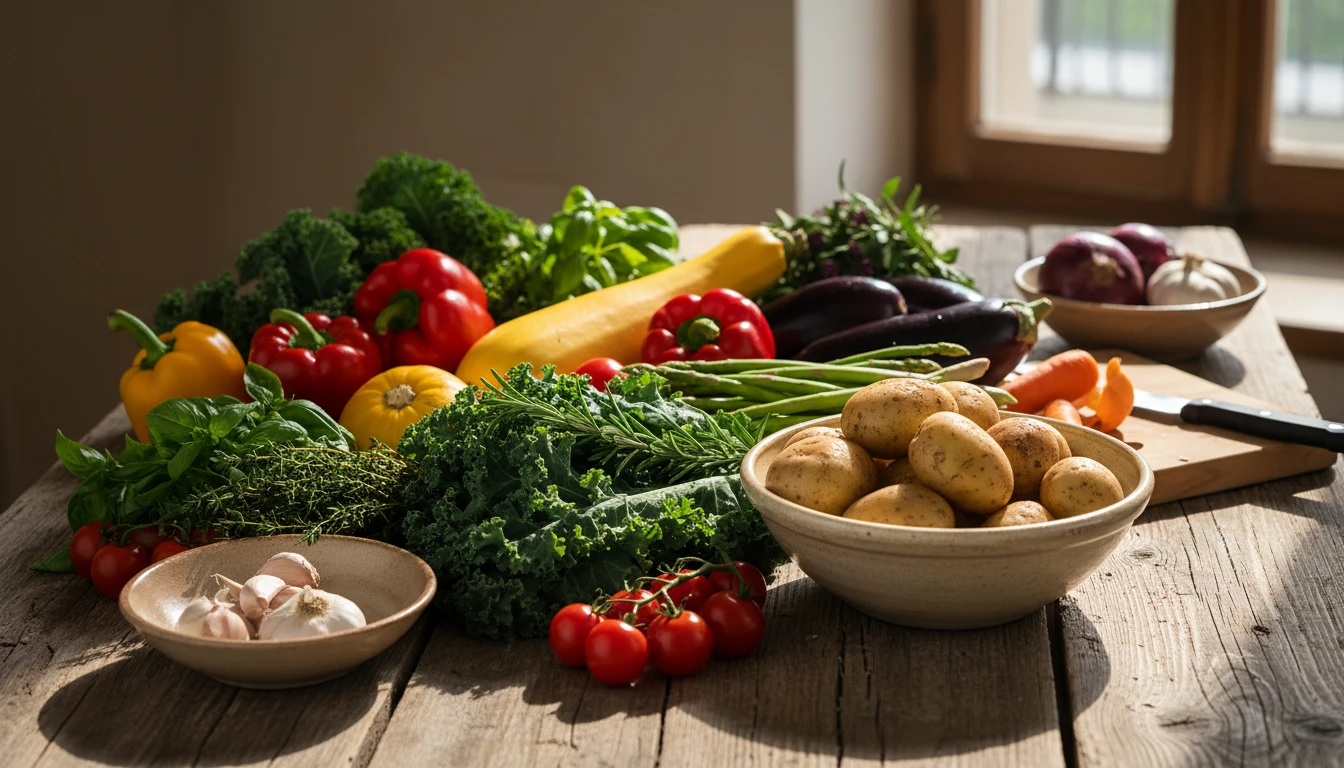
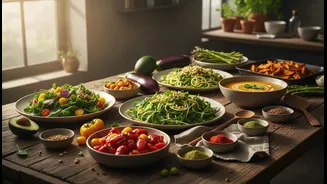
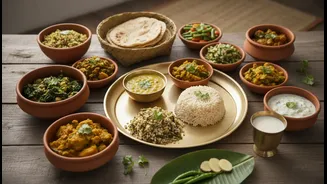
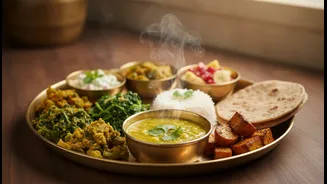
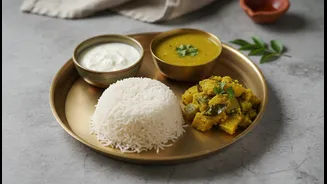
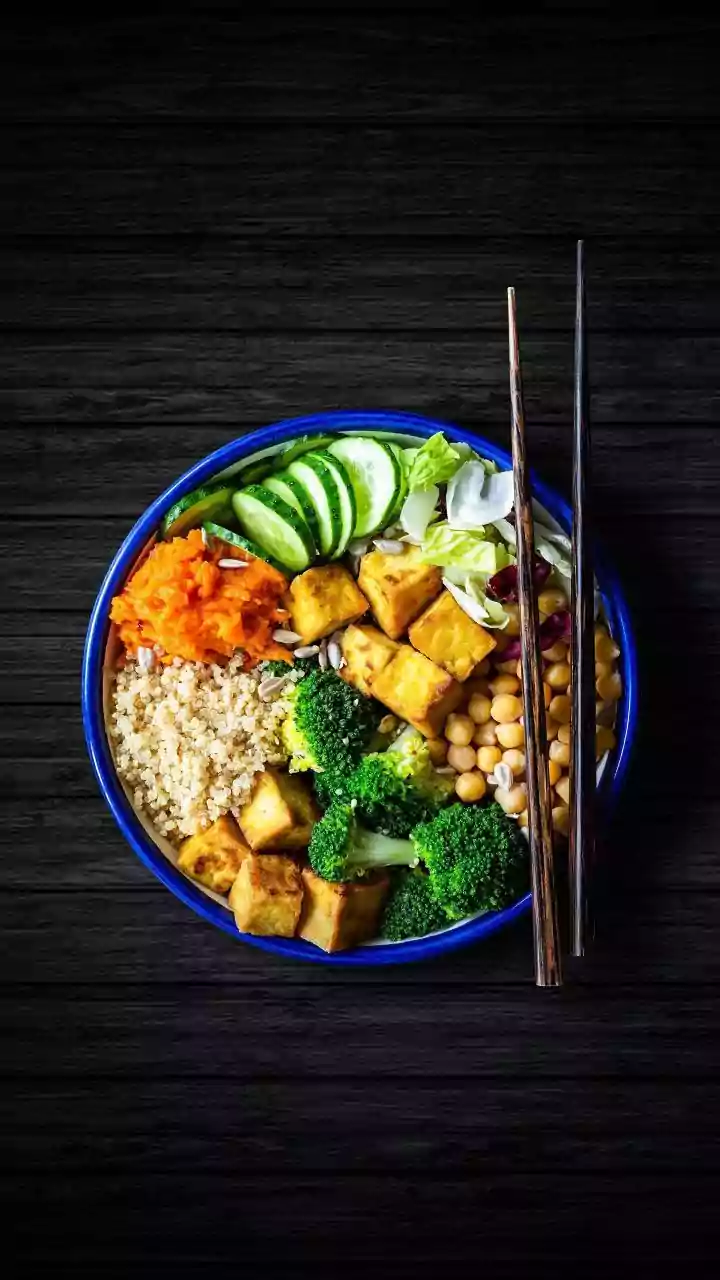
A typical Shravan meal is a vibrant assembly of permissible foods that are both nourishing and delicious. Grains like wheat and rice are often substituted with alternatives such as buckwheat (kuttu), amaranth (rajgira), and barnyard millet (samak rice). These are used to make everything from rotis and puris to dosas and khichdi. Vegetables play a starring role, with popular choices including bottle gourd (lauki), potato, sweet potato, and pumpkin. Leafy greens are sometimes avoided due to the higher presence of insects during the monsoon. Fresh fruits provide natural sugars and essential nutrients, while dairy products like milk, paneer, and curd offer protein and a cooling effect.
The Comfort of Lentils and Legumes
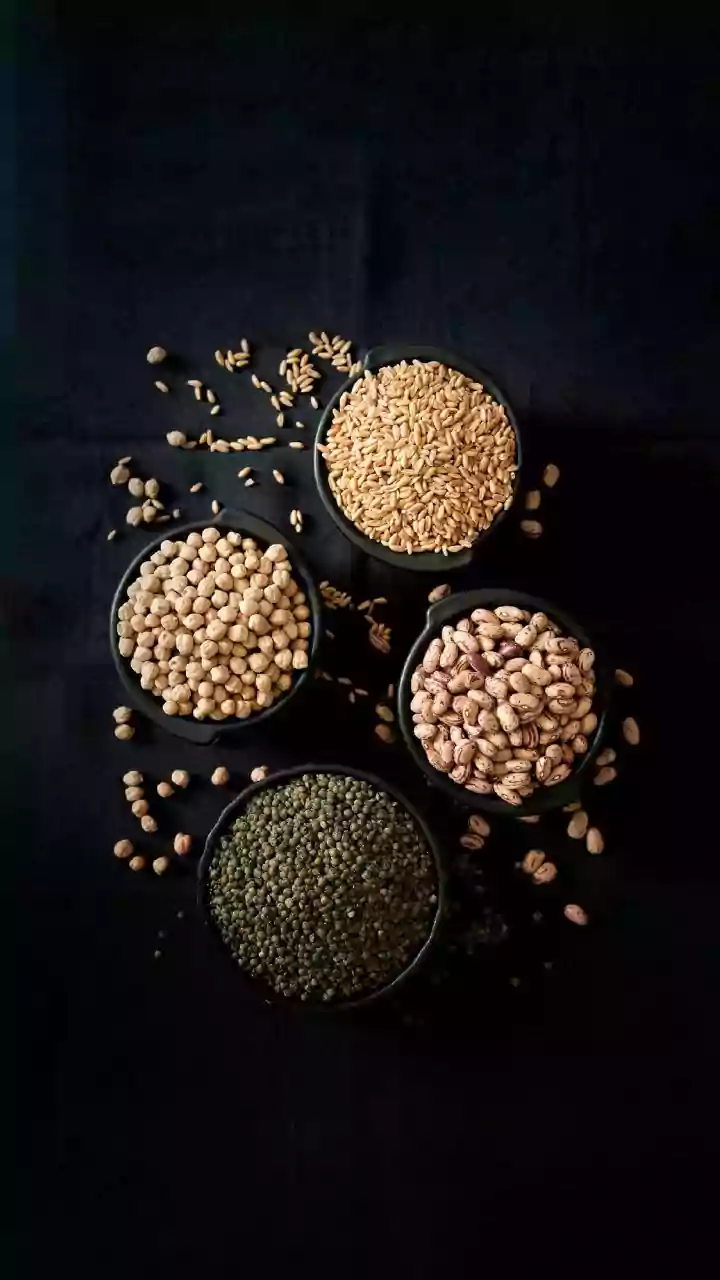
While many dals and legumes are avoided during Shravan, some find their way onto the plate, providing essential protein and sustenance. Moong is one pulse that is often permitted in certain traditions. Peanuts are a very popular ingredient, frequently used to add texture and richness to dishes like Sabudana Khichdi, a fasting staple made from tapioca pearls, potatoes, and crushed peanuts. These simple preparations demonstrate how home cooks creatively use a limited pantry to produce comforting and filling meals. The emphasis is always on simple cooking methods—boiling, steaming, and light sautéing in ghee—that preserve the natural goodness of the ingredients.
More Than Just a Diet
The Shravan plate is a testament to the deep connection between food, faith, and well-being in Indian culture. It is not about deprivation, but about embracing a different way of nourishing the body that aligns with a spiritual goal. The diet encourages creativity in the kitchen, turning simple vegetables and alternative grains into a diverse array of satisfying dishes like Sabudana Vada, Rajgira Puri, and Makhana Kheer. It's a reminder that even the simplest, most humble ingredients can be transformed into a feast that is both delicious and spiritually uplifting, celebrating the bounty of nature in its purest form.