


A Modern Twist on Tradition
Across India, a new wave of mixologists is redefining the beverage scene by celebrating indigenous ingredients. Instead of relying on imported syrups and flavours, they are exploring the rich pantry of Indian produce to create drinks that tell a story.
This trend moves beyond the occasional use of turmeric or ginger; it’s a deep dive into regional specialties, from Himalayan rhododendron flowers to the tangy fruits of the Konkan coast. At the heart of this movement is a desire to connect with tradition while catering to a modern, health-conscious palate that craves complexity without the guilt. These creators are not just making drinks; they are crafting liquid art that is at once familiar and thrillingly new, transforming everyday elements into a sophisticated experience.
The Power Duo: Kokum and Jamun
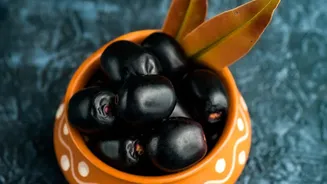
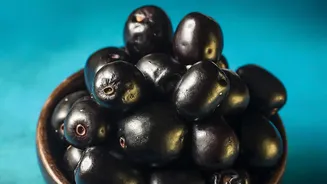
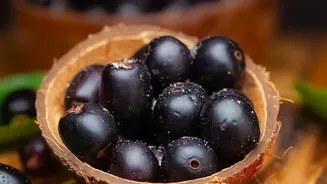
Kokum (Garcinia indica) and Jamun (Syzygium cumini), also known as the Java plum, are two beloved fruits with deep cultural and culinary roots in India. Kokum, native to the Western Ghats, is famed for its sharp, tangy flavour and its use as a natural cooling agent in traditional sherbets. It’s packed with antioxidants and has long been used in Ayurveda to aid digestion and soothe acidity. Jamun offers a different profile: a sweet, tart, and slightly astringent taste with a vibrant purple hue. It is often enjoyed with a pinch of black salt during the monsoon season. Beyond its flavour, jamun is recognized for its health benefits, including being rich in vitamins and minerals. Together, they form a perfect balance of sour and sweet, creating a flavour base that is both uniquely Indian and incredibly versatile.
The Art of Cold Steeping
The headline mentions a key technique: cold steeping. Unlike brewing with hot water, which can extract bitter compounds called tannins, cold steeping is a slow, gentle infusion in cold water over several hours. This method is ideal for delicate ingredients like fruit and herbs. When applied to a traditional kokum or jamun jam, cold steeping allows the water to pull out the vibrant colours and pure fruit flavours without the cooked notes or excessive sweetness. The result is a smoother, naturally sweeter, and more aromatic base for a mocktail. It preserves the delicate volatile oils that give fruits their fresh, bright character—aromas that are often lost in steam during hot brewing. This technique ensures the final drink is clean, nuanced, and exceptionally refreshing.
Why Low Sugar is the New High
The demand for non-alcoholic options has grown, but today’s consumers want more than just a simple fruit punch. They are seeking sophisticated, adult beverages that are low in sugar and free from artificial additives. This shift is driven by a greater awareness of wellness and a desire for drinks that are both flavourful and functional. Kokum and jamun mocktails fit this niche perfectly. The natural tang of kokum and the subtle sweetness of jamun mean that very little, if any, extra sugar is needed. Recipes often call for natural sweeteners like honey or jaggery, or simply rely on the fruit itself. This makes for a guilt-free indulgence that hydrates, provides nutrients, and satisfies the palate without the sugar crash associated with conventional soft drinks.
Crafting Your Own at Home
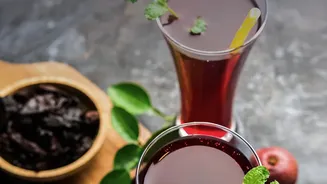
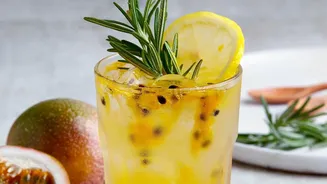
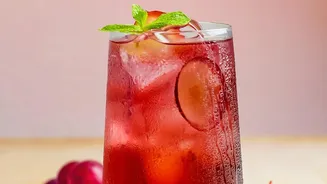
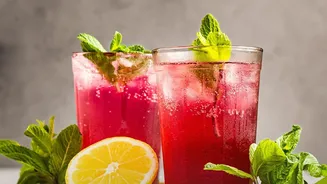
You don’t need to be a professional mixologist to enjoy this trend. Creating a kokum jamun mocktail at home is simple. Start with a good quality, traditional kokum and jamun jam or concentrate. To cold steep, simply mix a few spoonfuls of the jam with cold, filtered water in a jar and let it sit in the refrigerator for a few hours or overnight. Once steeped, strain the liquid. This is your flavour base. To serve, pour the infused water into a glass filled with ice. Top it up with sparkling water for some fizz. Then, get creative with your garnishes. A pinch of black salt (kala namak), a squeeze of fresh lime, and a few muddled mint leaves will elevate the drink instantly. For a spicier kick, add a thin slice of ginger. The result is a beautiful, handcrafted beverage that’s perfect for any occasion.