




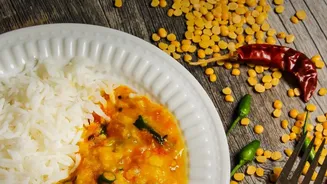
The Science of a Complete Protein
To understand the magic of dal and rice, we first need to talk about protein quality. Proteins are made of building blocks called amino acids. There are 20 different amino acids, nine of which are considered 'essential' because our bodies cannot produce
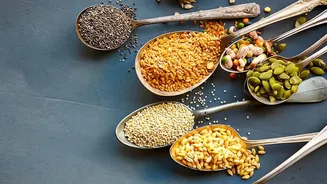
them. We must get these essential amino acids from our food. A 'complete protein' is a food source that contains all nine of these essential amino acids in adequate amounts. These are crucial for numerous bodily functions, but especially for repairing muscle tissue that gets broken down during exercise and for building new, stronger muscle in its place. While animal products like meat, eggs, and dairy are well-known complete proteins, most individual plant foods are considered 'incomplete' because they are low in one or more essential amino acids.
A Perfect Pair: The Amino Acid Synergy
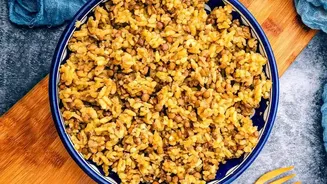
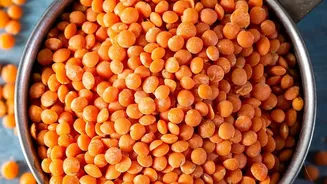
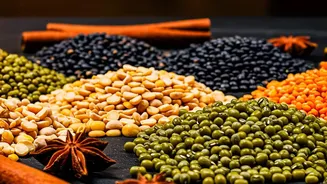
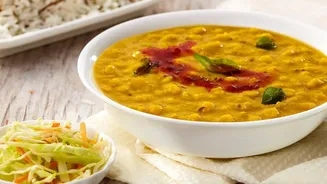
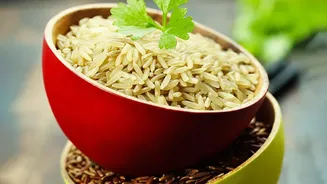
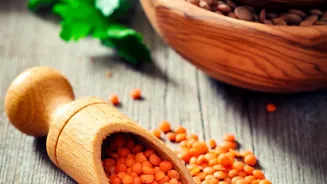
This is where the concept of 'protein synergy' or 'protein complementation' comes in. Lentils (dal) and rice are a perfect example of this. Lentils are rich in the essential amino acid lysine but are low in another called methionine. Rice, on the other hand, is low in lysine but contains the methionine that lentils lack. When you eat them together, their individual amino acid profiles complement each other, filling in the gaps. The result is a meal that provides all nine essential amino acids, effectively creating a complete protein profile that your body can use for muscle repair, recovery, and growth. This powerful combination is a cornerstone of many traditional cuisines for a reason—it is a nutritionally sound and efficient way to fuel the body.
Debunking an Old Myth
For years, the theory of protein combining insisted that you had to eat these complementary proteins in the very same meal to get the benefit. However, modern nutritional science has shown this isn't strictly necessary. Your body maintains a pool of free amino acids it can draw from throughout the day. This means that as long as you eat a varied diet of different plant foods over the course of a day, your body can mix and match the amino acids as needed. So, if you have lentils for lunch and brown rice for dinner, you're still getting the benefits. That said, eating them together as dal chawal is a simple, convenient, and delicious way to ensure you're getting a high-quality protein hit in one go.
Fuel for Your Workout
Beyond just protein, the combination of dal and rice is ideal for anyone with fitness goals. The rice provides complex carbohydrates, which are the body's primary fuel source. Eating a meal of dal and rice a couple of hours before a workout provides sustained energy, helping you train harder for longer. The fibre in both lentils and brown rice aids in digestion and helps you feel full, preventing overeating. Post-workout, this meal is equally beneficial. The protein helps kick-start the muscle repair process, while the carbohydrates replenish the glucose stores (glycogen) in your muscles that were depleted during exercise. This dual action makes it a fantastic meal for recovery.
Upgrading Your Dal Chawal
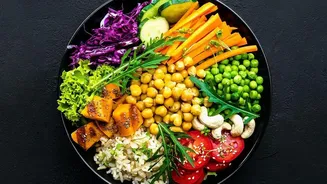
While a simple bowl of dal and rice is a nutritional powerhouse, you can easily enhance its benefits. Opt for brown rice over white rice to increase the fibre, vitamin, and mineral content. You can boost the nutritional value further by adding a variety of vegetables to your dal, such as spinach, carrots, and tomatoes. A dollop of ghee (clarified butter) not only adds flavour but also provides healthy fats and fat-soluble vitamins. Serving it with a side of yoghurt (dahi) adds probiotics for gut health and another layer of quality protein. These simple additions turn an already excellent meal into a complete nutritional package designed for optimal health and fitness.