



Start With the Ingredient List
The first stop on your pickle-picking journey is the label. Artisan producers often pride themselves on short, clean ingredient lists. Look for recognizable items like cucumbers, water, vinegar, salt, and whole spices like dill and garlic. A shorter list often signals
a focus on quality over shelf-stability. Be wary of jars that list artificial preservatives like sodium benzoate, artificial colours like Yellow #5, or emulsifiers like polysorbate 80. True artisanal pickles shouldn't need chemical assistance; their preservation comes from the pickling process itself. High-quality pickles get their colour and flavour naturally from the vegetables and spices, not from a lab.
Inspect the Jar and Its Seal
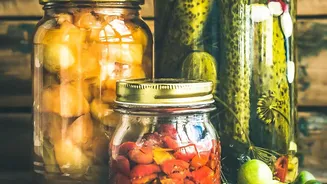
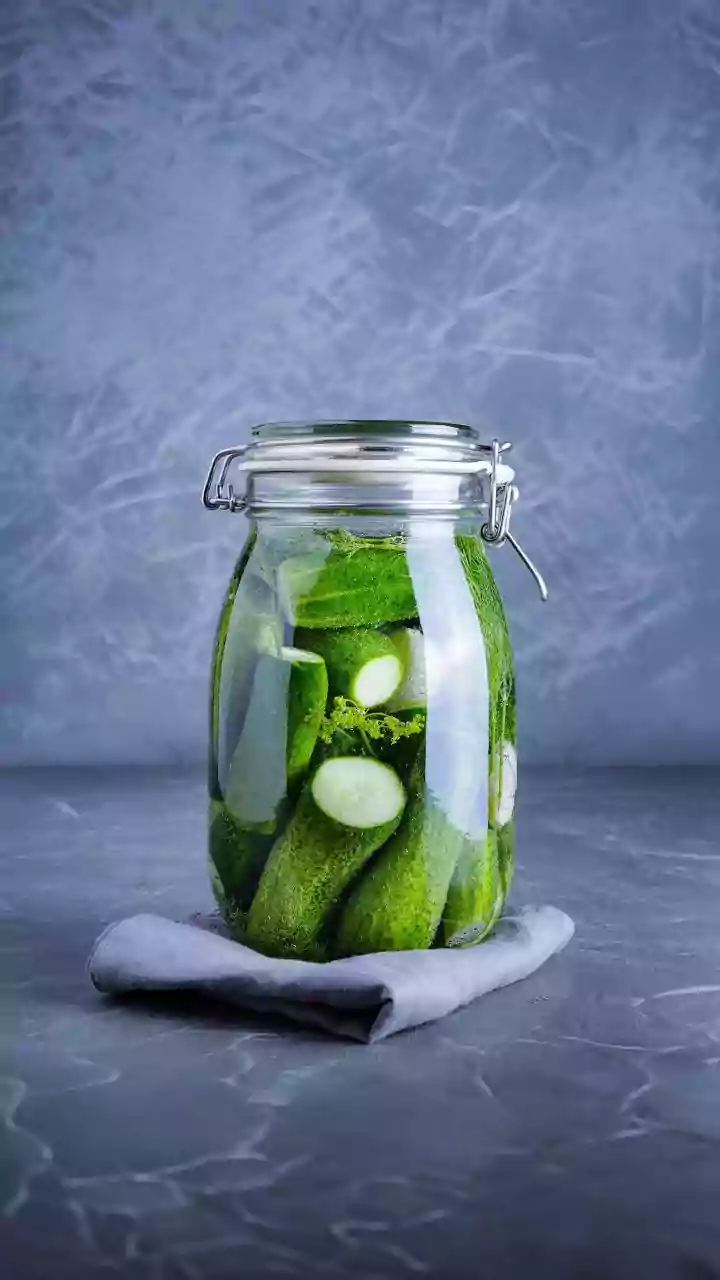
Before you buy, give the jar a thorough once-over. The most critical safety check is the seal. The lid should be firm, flat, or slightly concave (curved inward). If you can press the center of the lid and it pops up and down, the jar is not properly sealed and should be avoided. A bulging or leaking lid is a major red flag, indicating pressure from unwanted gas buildup, which can be a sign of spoilage. The brine should also be inspected. While some cloudiness is normal in naturally fermented pickles, a murky, milky, or foamy brine in a vinegar-based pickle can signal contamination. Finally, look for any visible mold on the surface of the brine or slimy texture on the pickles themselves—both are definitive signs the pickles have gone bad.
Understand the Pickling Method
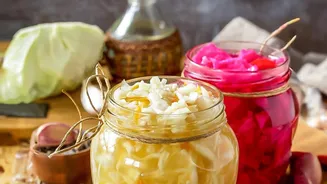
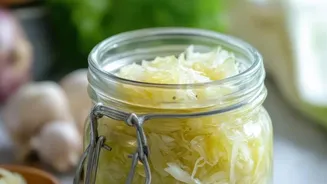
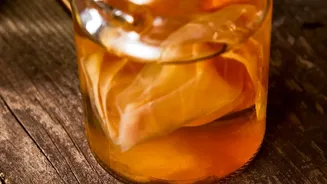
Not all pickles are created equal. The two primary methods are vinegar pickling and lacto-fermentation. Vinegar pickles, often called 'quick' or 'fresh-pack' pickles, are preserved in an acidic vinegar brine. They are tangy and crisp. Lacto-fermented pickles, on the other hand, are preserved in a saltwater brine where naturally occurring bacteria convert sugars into lactic acid. This process creates a more complex, sour flavour and populates the jar with beneficial probiotics. How can you tell the difference? Check the ingredients. If vinegar is listed, it’s a vinegar pickle. If the list contains only water, salt, and spices, it's likely fermented. Fermented pickles are almost always sold refrigerated to protect the live cultures.
Assess the Vegetables Themselves
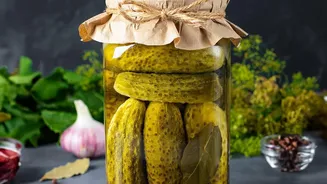
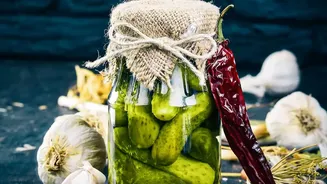
The star of the show is the vegetable, so take a good look at it. The pickles should look firm and hold their shape. A mushy or shriveled appearance can indicate that the pickles are old, were over-processed, or that the brine concentration was too high, causing them to dehydrate. The colour should be a natural hue. Pickles that are excessively bright or uniformly green may have been treated with artificial colours. Good producers often use fresh, high-quality produce, and it shows. Don't hesitate to look for variety in the jar, too. A mix of spices like whole garlic cloves, peppercorns, and sprigs of dill are often signs of a carefully crafted product.
Talk to the Producer
One of the greatest advantages of buying from local producers, especially at a farmers' market, is the opportunity to talk to the person who made the product. Don't be shy about asking questions. Inquire about where they source their vegetables, what their pickling process is like, and what makes their recipe special. Passionate artisans are usually thrilled to share their story. This conversation can give you confidence in the quality and safety of their product. In many regions, selling home-canned goods like pickles requires producers to follow specific food safety guidelines or use licensed kitchens, and a good producer will be transparent about their practices.