



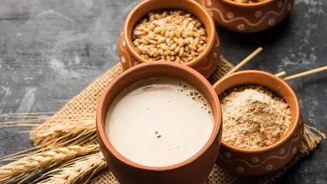

What is Ambali?
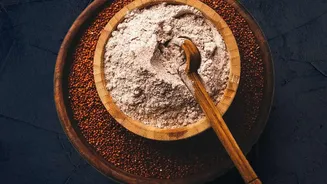
Ambali, also known as Ragi Ambali or Ragi Ganji, is a fermented beverage with ancient roots in South Indian states like Karnataka, Andhra Pradesh, and Telangana. Traditionally, it’s a simple, nourishing porridge made from finger millet (ragi) flour cooked
into a paste and often left to ferment overnight. This fermentation gives the drink its signature, slightly tangy flavour. For generations, it was the go-to fuel for farmers and labourers, providing sustained energy and hydration for a long day's work under the sun. Served either savoury with buttermilk, salt, and spices or sweet with jaggery, it’s a versatile and time-tested recipe.
The Superfood Health Halo
The secret to Ambali's modern revival lies in its impressive nutritional profile. Ragi is a powerhouse grain, naturally gluten-free and packed with calcium, iron, and protein. The high fibre content keeps you feeling full longer, aids in weight management, and helps regulate blood sugar levels, making it a great choice for those managing diabetes. The fermentation process is the real game-changer; it creates natural probiotics, the beneficial bacteria essential for good gut health, similar to those in yoghurt. This process also breaks down phytic acid in the millet, making it easier for the body to absorb all the vital minerals like calcium and iron.
From Farmer's Fuel to Urban Elixir
So, how did this rustic staple make the leap to chic city cafes? The trend is fuelled by a perfect storm of modern wellness movements. There's a booming interest in gut health, which has made fermented foods like kefir and kombucha mainstream; Ambali is India’s own traditional answer to this global trend. At the same time, a 'back to roots' philosophy has ignited a passion for rediscovering indigenous ingredients and ancestral recipes. Health-conscious urban consumers are actively seeking natural, nutrient-dense alternatives to processed foods, and Ambali fits the bill perfectly. It’s a story of rediscovery, where ancient wisdom meets contemporary health goals.
The Cafe Makeover
While the soul of Ambali is traditional, its presentation in urban cafes is getting a serious upgrade. Instead of a simple tumbler, you might find it served in a chilled cocktail glass, garnished with fresh mint or other herbs. Chefs and cafe owners are experimenting with flavours, creating both savoury versions seasoned with spiced buttermilk, chopped onions, and curry leaves, and sweet versions blended with jaggery or fruit. This modern facelift makes the drink more visually appealing and accessible to a younger audience that values both authenticity and aesthetics, slotting it right alongside other traditional drinks like Sol Kadhi and Kanji that are also finding new fans.
A Taste of Nostalgia
Beyond the health benefits and trendy appeal, the rise of Ambali speaks to a deeper cultural current. For many, it’s a comforting taste of home and a connection to their heritage. In an age of globalised food trends, there is a growing appreciation for local, familiar flavours that tell a story. This revival is not just about drinking a healthy beverage; it's about celebrating and preserving a piece of India’s rich culinary history. The drink’s comeback signifies a proud embrace of the foods that have nourished generations, proving that what is old can be new, and profoundly relevant, again.