





First, Take Inventory
Before you can reset, you need to know what you’re working with. A weekly reset isn't a deep clean; it's a quick, functional tidy-up to make cooking easier. Start by scanning your countertops, pantry, and refrigerator. What needs to be used up? What is running
low? This initial survey helps you understand the task ahead and prevents you from buying things you already have. Grouping items by category—spices, grains, snacks, and so on—can help you see everything clearly. This mental or physical stock-take is the foundation for an effective reset, turning chaos into a clear plan for the week's meals.
Consolidate Open Packs
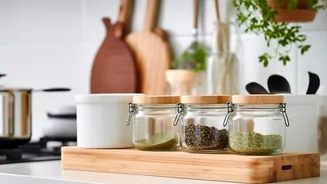
One of the quickest ways to create visual clutter is having multiple open bags of the same item. Your weekly reset is the perfect time to tackle this. Transfer staples like dals, rice, sugar, and spices from their original packaging into uniform, airtight containers. This isn't just for aesthetics; it protects food from pests and moisture, which is especially important in Indian climates. Use clear containers so you can see what’s inside at a glance, and consider square shapes to maximise shelf space. For items like atta (flour) and rice, always use a dry scoop to prevent moisture from getting in and causing spoilage. This simple act of decanting instantly makes your pantry look tidier and more functional.
The Art of Managing Leftovers
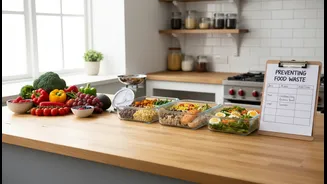
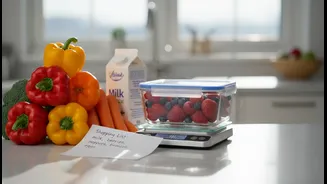
Here is where the real magic happens. Leftovers, if ignored, contribute significantly to household food waste. Indian households waste around 50 kg of food per person annually, often due to poor storage. The solution is a proactive system. Designate a specific shelf or container in your fridge as an “Eat Me First” box. This is where you place all items nearing their expiry date, half-used vegetables, and leftover meals from the past day or two. Labelling the box makes the system clear to everyone in the household. When you’re looking for a snack or planning dinner, you know to check this box first. This simple strategy ensures that food gets eaten instead of forgotten at the back of the fridge.
Proper Food Storage is Key
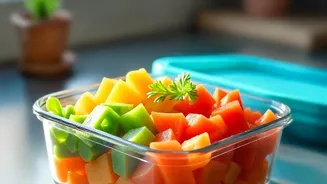
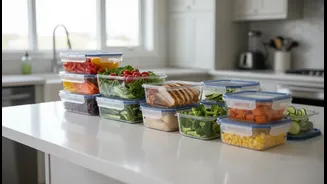
How you store your food is just as important as where. For leftovers, use clean, airtight containers to maintain freshness and prevent odours from mixing in the fridge. It’s best to let hot food cool down slightly before sealing it to prevent moisture buildup, which can lead to faster spoilage. When storing different dishes, like a curry and rice, keep them in separate containers to preserve their individual taste and texture. For fresh produce, washing and prepping some items in advance—like chopped onions or washed coriander—can make weekday cooking much faster. Dairy products like paneer and curd should always be refrigerated and consumed within a few days for optimal freshness.
Wipe Down and Re-organise
With food items sorted, it's time for a quick clean. You don't need to scrub everything, just focus on high-traffic areas. Wipe down countertops, fridge handles, cabinet knobs, and the inside of your microwave. Clean out the sink so it’s empty and ready for the new week. This is also a good time to do a quick audit of one drawer or cabinet. Put utensils back where they belong and ensure your daily-use items, like common masalas, are within easy reach of the stove. A clean, organised space not only looks good but also makes the entire process of cooking feel more pleasant and less stressful.