



Northern India: A Sattvic Fasting Feast
In North India, Navratri fasting, or 'vrat', involves a strict sattvic diet that excludes grains, lentils, onions, and garlic. The focus is on ingredients that are considered pure and provide energy. Kitchens are stocked with alternative flours like Kuttu
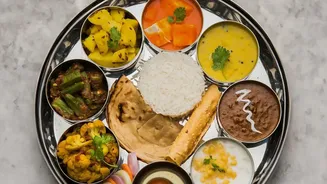
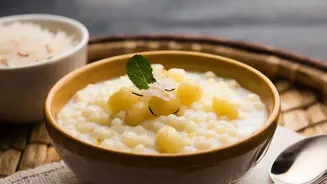
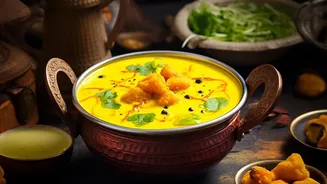
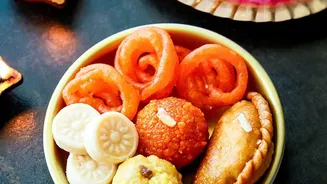
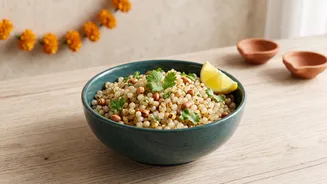
(buckwheat) and Singhara (water chestnut), used to make crispy puris and parathas. A classic meal features these breads served with a simple, flavourful potato curry, often made with tomatoes and seasoned with rock salt (sendha namak), the only salt permitted during the fast. Another staple is Sabudana (tapioca pearls). It's transformed into Sabudana Khichdi, a beloved dish tossed with potatoes, peanuts, and mild spices, offering a much-needed energy boost. For dessert, treats like Singhare ka Halwa or Makhana Kheer provide a sweet end to the day's meal.
Western India: The Flavours of Gujarat and Maharashtra
In Western India, particularly Gujarat and Maharashtra, Navratri is a time for both fasting and flavour. While Gujarat is famous for its energetic Garba dances, its kitchens produce a unique array of 'farali' (fasting) foods. Dishes like Farali Pattice (potato patties stuffed with coconut and nuts) and Rajgira Puri (made from amaranth flour) are popular. In Maharashtra, Sabudana is the star ingredient. Sabudana Vada, a deep-fried patty of tapioca pearls, potatoes, and peanuts, is a crunchy, satisfying snack. Sabudana Khichdi is also a widespread favourite here. Across the region, the fasting diet relies on ingredients like barnyard millet (bhagar or varai), potatoes, sweet potatoes, and peanuts, all cooked without onion or garlic and seasoned with rock salt, cumin, and green chillies.
Eastern India: A Joyous Feast for Durga Puja
In contrast to the fasting traditions elsewhere, Navratri in West Bengal is celebrated as Durga Puja, which is predominantly a feasting occasion. Here, the celebration is less about dietary restrictions and more about community meals and indulgent offerings to the Goddess Durga. The culinary highlight is the 'bhog' – a blessed meal served at community pandals. The quintessential bhog item is Khichuri, a flavourful mix of Gobindobhog rice and roasted moong dal, cooked to a soft consistency. This is typically served with Labra, a mixed vegetable curry, and Beguni, which are fried brinjal fritters. Other popular dishes include Luchi (fluffy, deep-fried bread) with Aloo'r Dum (spiced potato curry) and a variety of sweets like Mishti Doi (sweet yogurt) and Payesh (rice pudding). While the bhog itself is vegetarian and cooked without onion or garlic, outside of the prasad, many Bengalis enjoy non-vegetarian delicacies during the festival.
Southern India: The Tradition of Sundal
In the southern states, especially Tamil Nadu, Navratri is celebrated with Golu, an artistic display of dolls. The food tradition here is unique and centres around 'sundal'. Sundal is a simple yet protein-rich dish made from different legumes and pulses, prepared differently on each of the nine nights. Chickpeas, black-eyed peas, green gram, and peanuts are soaked, boiled, and then tempered with mustard seeds, curry leaves, and grated coconut. This nutritious snack is offered as 'prasadam' to guests who visit homes to see the Golu displays. While some families observe fasts similar to those in the north, the tradition of avoiding grains is less stringent. Instead, the focus is on these daily offerings of sundal and other delicacies like sweet Payasam (a milk-based pudding) and various rice preparations made without onion or garlic.