




From Burnout to Backwoods
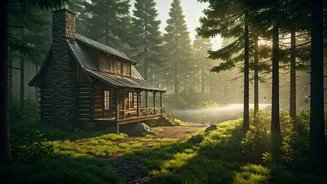
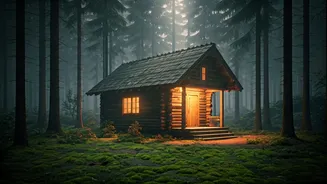
Forget the bustling European tour or the all-inclusive beach resort. The new status symbol for a burnt-out generation of Millennial and Gen Z workers is a small, often minimalist cabin tucked away in a forest, with intentionally spotty Wi-Fi. This isn't
just a vacation; it's a 'calmcation'—a purpose-driven retreat designed to combat the chronic stress of modern professional life. Propelled by a cultural shift that prioritizes mental wellness over relentless hustle, young professionals are increasingly seeking experiences that offer genuine restoration rather than a simple change of scenery. The constant connectivity, the pressure to perform, and the blurring lines between work and home have created a powerful demand for true disconnection. The near-constant stream of bookings for these quiet escapes suggests it's not a fleeting fad, but a fundamental response to the pressures of the digital age.
What Exactly Is a 'Calmcation'?
A 'calmcation' distinguishes itself from a typical vacation by its core objective: intentional peace. While a vacation might involve sightseeing, socializing, and a packed schedule, a calmcation’s itinerary is deliberately sparse. The goal is to de-stimulate. Key components often include a digital detox, where phones and laptops are put away, sometimes in a provided lockbox. This is complemented by nature immersion, a practice the Japanese call 'shinrin-yoku' or 'forest bathing,' which involves simply being present among the trees to soak in the calming atmosphere. Unlike a rigorous hiking trip, the point isn't to conquer a summit but to meander, observe, and breathe. The focus is on mindfulness, slowness, and rediscovering a sense of self away from the noise of job titles, deadlines, and social media feeds. It’s an active pursuit of doing nothing, and for many, that’s the most productive thing they can do for their well-being.
The Northeast's Quiet Allure
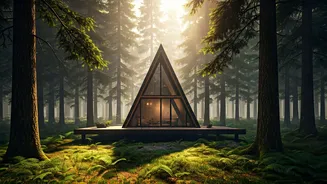
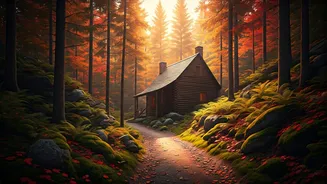
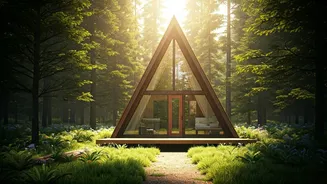
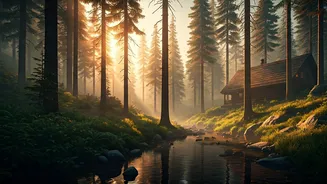
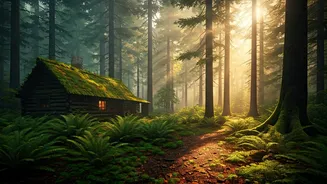
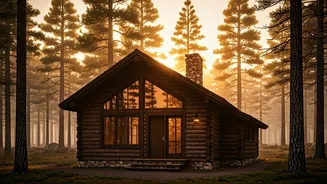
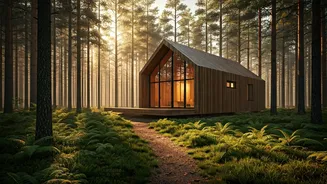
Why the Northeast? Proximity and paradox. For millions living in the high-stress corridors of New York City, Boston, and Washington, D.C., the deep woods of the Catskills, the Berkshires, the Green Mountains of Vermont, or rural Pennsylvania are just a few hours’ drive away. This accessibility makes a weekend of restorative solitude a feasible escape, not a logistical feat. The region’s dense forests and rolling hills provide a dramatic, immersive contrast to the concrete grid of city life. Furthermore, a new wave of hospitality companies has perfected the offering. Brands like Getaway, AutoCamp, and a host of independent operators on platforms like Airbnb have designed a product perfectly tailored to this demographic: stylish, minimalist cabins with massive windows facing the wilderness, comfortable beds, and just enough amenities (a kitchenette, a fire pit) to feel cozy without being distracting. They sell not just a place to stay, but a complete experience of escape, packaged for an Instagram generation that paradoxically wants to log off.
A Rebellion Against 'Always On'
Ultimately, the rise of the calmcation is more than a travel trend; it's a quiet rebellion. It signifies a cultural shift among a workforce that was told to lean in, hustle harder, and optimize every minute. Having experienced the mental and physical toll of that ethos, many young professionals are now actively seeking an alternative. This movement aligns with broader workplace conversations around 'quiet quitting,' setting firm boundaries, and prioritizing a 'soft life'—one that values ease and contentment over relentless ambition. Choosing to spend a weekend reading by a fire instead of networking or checking emails is a powerful act of reclaiming one's time and mental space. It’s a declaration that productivity isn't just about output, but also about sustainable, long-term well-being. This intentional retreat into nature is becoming a necessary ritual for surviving, and thriving, in a world that never stops asking for more.