


Fushimi Inari Shrine, Kyoto
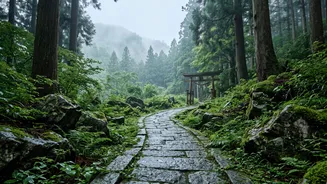
The thousands of vibrant red torii gates winding up Mount Inari are an unforgettable symbol of Kyoto. This is why Fushimi Inari Taisha is one of Japan's most photographed and visited shrines. The allure is undeniable: walking through the tunnel of gates feels
like stepping into another world. However, the reality, especially between 10 a.m. and 4 p.m., is that the main path can feel less like a spiritual journey and more like a congested sidewalk. The sheer volume of visitors all vying for the perfect photo can detract from the sacred atmosphere. Pro-Tip: The shrine is open 24 hours a day and entry is free. To experience its magic, visit before 8 a.m. or after 6 p.m. when the crowds thin dramatically. Most tourists stick to the lower loops; the further you hike up the mountain, the more peace you'll find. An evening visit, when the lanterns are lit, offers a completely different and mystical experience, though you should bring a light for the darker upper paths.
Arashiyama Bamboo Grove, Kyoto
Photos of the Arashiyama Bamboo Grove promise a tranquil walk through a towering, otherworldly forest. This natural beauty is why it's a bucket-list item for many travellers. The experience of standing among the immense green stalks is genuinely impressive. The problem is that the famous path is relatively short and often packed with a steady stream of fellow visitors, making that serene, solitary walk all but impossible during peak hours. The constant stopping for photos can create bottlenecks, turning a moment of zen into a frustrating shuffle. Pro-Tip: Like Fushimi Inari, the key is timing. An early morning visit, ideally just after sunrise, is your best bet for experiencing the grove's peaceful atmosphere and capturing photos without a crowd. Alternatively, explore the wider Arashiyama area, which is full of beautiful temples, gardens, and the scenic Togetsukyo Bridge, which are often less congested. Some temples in the area, like Adashino Nenbutsuji, even have their own small, quiet bamboo paths.
Tokyo Skytree
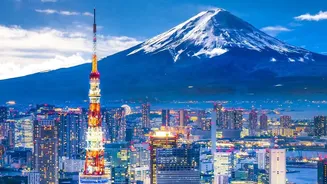
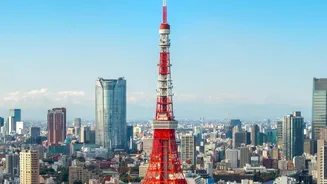
As the tallest structure in Japan, the Tokyo Skytree promises breathtaking 360-degree views of the sprawling metropolis. For many, it's a must-do to get a sense of the city's scale. The hype is built around its height and the modern complex at its base, which includes a large shopping mall and aquarium. However, this popularity comes with a hefty price tag and potentially long queues, especially for the highest observation deck. Some visitors find the experience underwhelming for the cost, pointing out that the view is simply of Tokyo, but without one of its most iconic modern landmarks in the frame: the Skytree itself. Pro-Tip: For a fantastic and often cheaper (or free) view that includes the Skytree, consider the observation decks at the Tokyo Metropolitan Government Building in Shinjuku. The Mori Building's 'Shibuya Scramble' viewpoint also offers a dynamic perspective of the city. These alternatives provide a stunning panorama with a much smaller dent in your wallet and schedule.
Dotonbori, Osaka
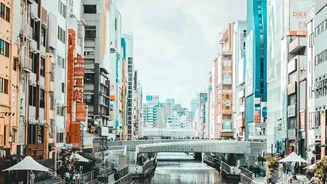
Famous for its dazzling neon signs, giant mechanical crabs, and endless street food stalls, Dotonbori is the energetic heart of Osaka's nightlife. It's promoted as a foodie paradise and a visual feast. While the energy is infectious and the food is a major draw, the area can become overwhelmingly crowded, especially at night and on weekends. Some travellers find it more of a tourist bottleneck than an authentic foodie haven, comparing the crush of people to Times Square. Navigating the packed streets to get to the popular food stands can be a challenge. Pro-Tip: To experience Osaka's vibrant food culture with fewer crowds, explore the nearby Shinsekai district or the Kuromon Ichiba Market during off-peak hours. For a different kind of urban vibe, neighbourhoods like Nakano or Koenji in Tokyo offer lively streets with great food and shopping but a more local feel. If you do visit Dotonbori, going on a weekday afternoon can be a more relaxed experience.