




The Great Himalayan Rain Shield
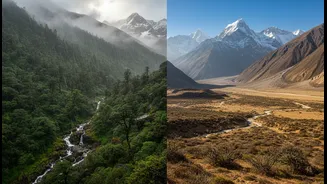
The secret to why these regions remain dry while the rest of the country is drenched lies in a simple geographical phenomenon: the rain-shadow effect. The mighty Himalayan range acts as a colossal barrier to the moisture-laden monsoon clouds that travel
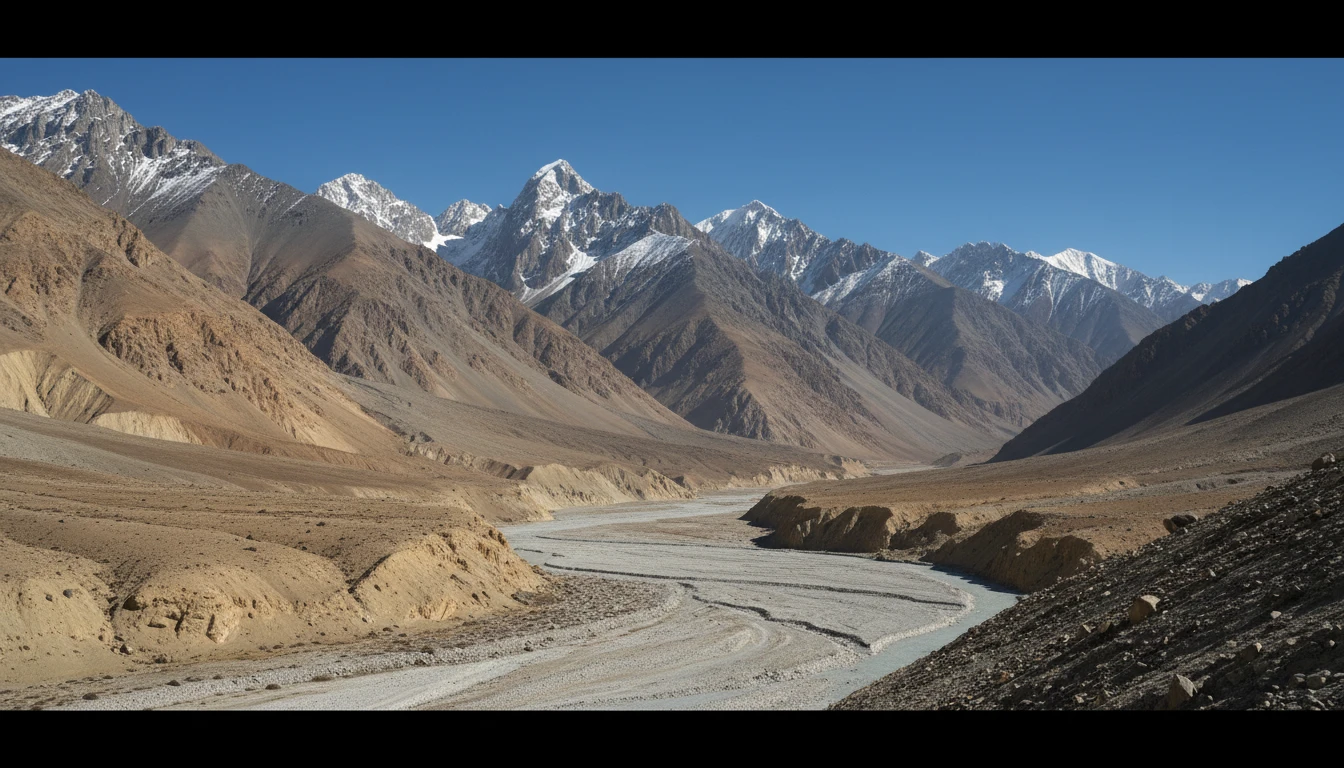
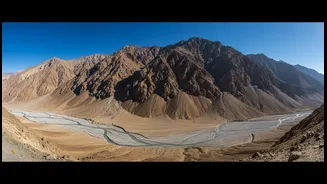
north from the Indian Ocean. As these clouds are forced to rise against the southern, or windward, slopes of the mountains, they cool, condense, and release their rain. This is why popular hill stations in Uttarakhand and lower Himachal Pradesh receive torrential downpours. By the time the air mass finally crests the high peaks and descends onto the northern, or leeward, side where Ladakh and Spiti are located, it has exhausted most of its moisture. This dry air then warms as it sinks, further preventing rain and creating the arid, cold desert climate these areas are famous for.
Spiti Valley: A Dry Monsoon Haven
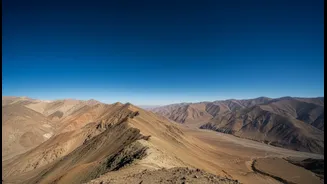
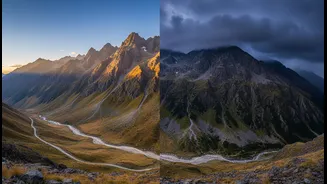
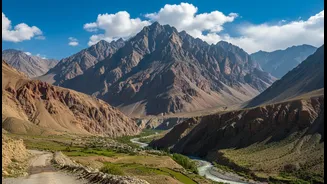
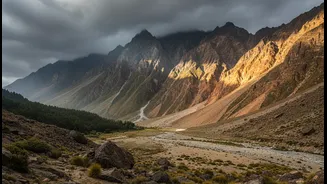
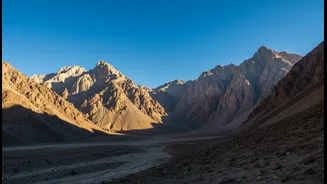
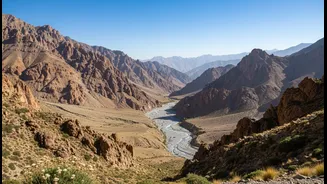
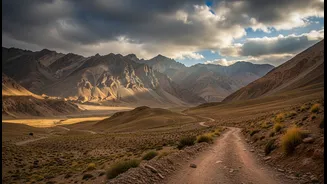
Spiti Valley, located in the Trans-Himalayan region of Himachal Pradesh, is a classic rain-shadow zone. While its gateway regions like Kullu, Manali, and Kinnaur face the full fury of the monsoon, Spiti itself receives minimal rainfall, often less than 200 mm annually. During the monsoon months of July and August, this translates to mostly clear, sunny days with dramatic blue skies, making it an ideal time for sightseeing and photography. The landscape, though a desert, even takes on a subtle green hue in some areas, offering a unique visual contrast. The weather remains pleasant, with daytime temperatures hovering between 15°C and 25°C, though nights are always cool. While Spiti itself is dry, the journey there requires caution, as the access roads from both Manali and Shimla pass through monsoon-affected areas prone to landslides.
Ladakh: The Land of High Passes and Sunny Skies
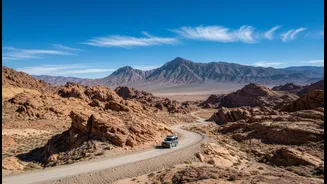
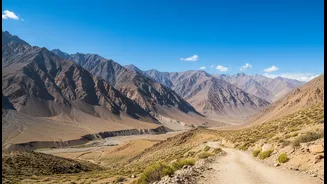
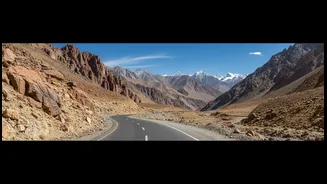
Similarly, Ladakh is protected from the monsoon by the Great Himalayan and Zanskar ranges. Leh, the region's capital, receives very little rain during July and August. This makes the monsoon period one of the best times to visit, with warm daytime temperatures of 25°C to 30°C and all internal roads and high passes like Khardung La and Chang La typically open and clear of snow. This allows for unfettered access to iconic destinations like Pangong Lake, Nubra Valley, and Tso Moriri. Adventure activities like white water rafting on the Indus and Zanskar rivers are also popular during this time. While the region is generally safe and dry, climate change has introduced a growing risk of occasional, intense cloudbursts and flash floods in recent years.
Planning Your High-Altitude Escape
The primary challenge of a monsoon trip to Spiti or Ladakh is not the destination, but the journey. The highways connecting these regions to the rest of India—the Manali-Leh Highway and the roads to Spiti from Manali and Shimla—are highly susceptible to monsoon-related disruptions. Landslides, swollen water crossings, and road blockages are common, particularly in the lower hills of Himachal Pradesh and around passes like Zojila on the Srinagar-Leh route. Therefore, anyone planning a road trip must factor in buffer days for potential delays, check road status updates from the Border Roads Organisation (BRO) frequently, and start each day's drive early to cross landslide-prone zones and water crossings when they are most stable. For a more predictable journey, flying directly into Leh is an excellent alternative, bypassing the riskiest road sections entirely.