




The Dangers Lurking in Puddles
That stagnant rainwater on the road is more than just water. It's often a cocktail of sewage, grime, chemicals, and other pollutants. This contaminated mixture is a perfect breeding ground for bacteria and fungi. When your feet are wet for extended periods,
the skin softens and its natural protective barrier weakens, making it easy for these microorganisms to invade through small cuts, scratches, or even just waterlogged skin. This can lead to common but irritating conditions like Athlete's foot, fungal nail infections, and persistent foot odour. In some cases, exposure can lead to more serious bacterial infections like leptospirosis, which enters the body through cuts and can cause flu-like symptoms, fever, and muscle pain.
Your First Defence: The Right Footwear
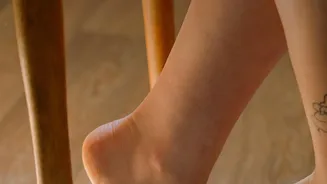
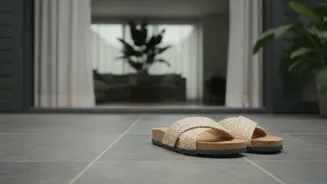
Choosing the right shoes is your most important preventive step. Avoid leather and canvas shoes, as they absorb water and take a long time to dry, creating the perfect damp environment for infections. Closed shoes can also trap moisture and lead to excessive sweating. The best options are open, waterproof footwear like rubber flip-flops, sandals, or crocs that dry quickly and allow your feet to breathe. While gumboots offer maximum protection from direct contact with water, they can also cause sweating if worn for long hours, so ensure your feet are dry after using them. Whatever you choose, make sure it has a good grip to prevent slips on wet surfaces.
The Post-Commute Cleansing Ritual
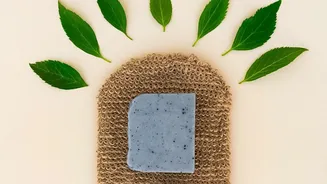
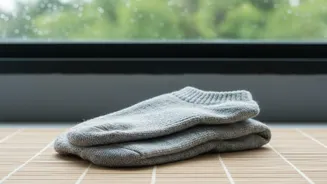
The golden rule of monsoon foot care is to clean and dry your feet as soon as you get home. Do not sit around in damp socks or footwear. Wash your feet thoroughly with mild soap and warm water, paying special attention to the spaces between your toes. After washing, dry them completely with a clean towel. Moisture trapped between the toes is a primary cause of fungal infections like Athlete's foot. Once your feet are totally dry, you can apply an antifungal or antibacterial powder as a preventive measure, especially if your feet tend to sweat a lot.
Simple Care and Home Remedies
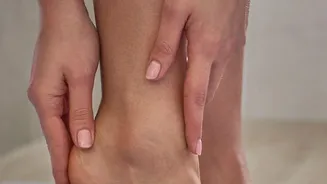
A little weekly pampering can go a long way. Soaking your feet in warm water with Epsom salt or a few drops of antiseptic liquid can help kill germs and soothe tired feet. Natural ingredients with antifungal properties, like tea tree oil diluted with a carrier oil like coconut oil, can also be helpful. A paste of baking soda and water applied to affected areas can help, as can a soak in a solution of equal parts vinegar and water. For cracked heels, which can worsen in the monsoon, moisturise your feet daily but avoid applying cream between your toes to prevent moisture buildup.
Warning Signs: When to See a Doctor
While most monsoon foot issues can be managed at home, certain symptoms should not be ignored. If you experience persistent itching, redness, skin peeling that doesn't improve, or a foul odour, it's best to consult a doctor. The formation of painful boils, blisters, or infections around the nails (paronychia) also warrants medical attention. Be particularly watchful for symptoms of leptospirosis, especially after wading through floodwaters. If you develop a high fever, severe headache, muscle aches, or reddening of the eyes within a few days to two weeks of exposure, seek medical help immediately.