

The Golden Age of the Indian Food Creator
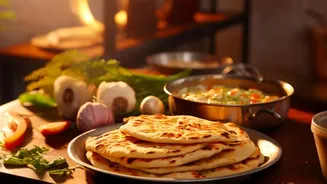
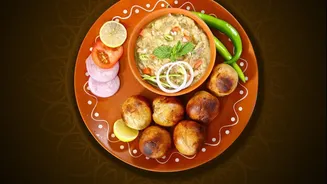
India's food landscape is undergoing a digital revolution. Gone are the days when recipes were solely passed down through generations or found in glossy cookbooks. Today, the nation's culinary creativity is on full display across Instagram Reels, YouTube
Shorts, and countless food blogs. From hostel-friendly meal hacks to the revival of forgotten regional delicacies, a new generation of food creators is democratizing Indian cuisine. This digital boom has turned home cooks into influencers and local food stories into viral content. The barrier to entry is low—all you need is a phone and a passion for food—leading to an unprecedented explosion of content that is diverse, accessible, and deeply personal. This 'food buzz' has not only changed how Indians cook and eat but has also created a thriving creator economy built on shares, likes, and engagement.
When Inspiration Becomes Imitation
While this creative boom is exciting, it has also brought a simmering issue to a boil: recipe plagiarism. For every original creator who spends hours developing, testing, and shooting a recipe, there are others who lift the content without permission or attribution. This can range from copying a recipe's ingredient list and instructions verbatim to reposting a creator's photos or videos as their own. The problem has become so rampant that dedicated social media groups, like the 'Food Bloggers' Hall of Shame' on Facebook, have been created to call out instances of plagiarism. These disputes aren't just minor squabbles; they have involved allegations against aggregator apps, well-known chefs, and major food brands, highlighting a widespread and frustrating issue for creators who see their hard work exploited.
Why It's More Than Just a Recipe
Critics might argue, "It's just a list of ingredients, how can you own it?" But for a content creator, a recipe is far more than that. It represents hours of research, development, and testing. It's the story behind the dish, the cultural context, the specific techniques passed down or newly invented. Furthermore, the final content includes styling, photography, videography, and editing—all of which are creative, skilled work. For many, this is their livelihood. When a recipe is stolen, it's not just a set of instructions being copied; it's the theft of intellectual labour, personal narrative, and potential income. Proper credit is what allows creators to build a brand, secure collaborations, and sustain their careers in a competitive digital market.
A Complex Culinary Copyright
The fight for recipe credit is complicated by the law. In India, as in many parts of the world, it is difficult to legally protect a recipe itself. A simple list of ingredients is considered a statement of facts, which cannot be copyrighted. However, the creative expression of that recipe—the specific wording of the instructions, the accompanying story, the photos, and the videos—can be protected under copyright law. The Indian Copyright Act of 1957 protects original literary and artistic works, which includes the text and visuals a food blogger creates. So while someone can't be stopped from making a dish using the same ingredients, they can be stopped from copying and pasting the unique way a creator has presented that recipe. Yet, legal battles are often long and expensive, leaving many creators to rely on community support and public pressure to address plagiarism.
A Culture of Credit and Community
As the Indian food creator scene matures, so does the conversation around ethics and best practices. The solution may not lie solely in legal action, but in fostering a stronger community culture of giving credit. This means creators citing their inspiration, whether it's another blogger, a family member, or a cookbook. It also involves audiences becoming more discerning, supporting original creators and questioning accounts that seem to lack authenticity. The simple act of tagging an original creator when you try their recipe is a powerful way to participate. This culture of attribution doesn't stifle creativity; it enriches it by creating a transparent and respectful environment where inspiration is acknowledged and hard work is rewarded, ensuring the Indian food buzz continues to thrive for years to come.