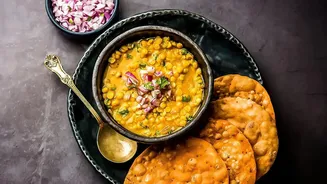



The Foundational Comfort Bowl
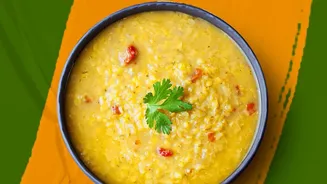
Before we explore the variations, it's essential to perfect the base. A classic Moong Dal Khichdi uses equal parts rice and split yellow moong dal, cooked together until soft and mushy. The most basic seasoning involves little more than turmeric for its
colour and health benefits, a pinch of asafoetida (hing) for its digestive properties, and salt. This simple combination creates a gentle, soothing meal that’s easy on the stomach. The magic, however, begins when you see this as a starting point. The consistency can be adjusted with water; some prefer it thick like a porridge, while others like it slightly more fluid. This base is your canvas for all the flavour experiments to come.
Elevate with a Tadka Twist
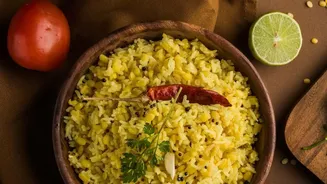
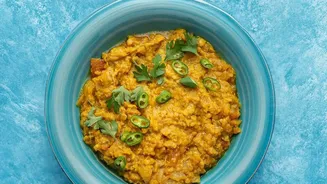
The simplest way to transform your khichdi is with a flavourful tadka, or tempering. While a basic tempering of cumin seeds in hot ghee is standard, there's a world of possibility here. For a deeper, more pungent aroma, add mustard seeds and let them pop. A few curry leaves will impart a distinctly South Indian fragrance. For a touch of heat, you can throw in a dried red chilli or two. A combination of grated ginger and finely chopped green chillies, sautéed in ghee until fragrant, adds a fresh, zesty kick that cuts through the creaminess of the dal and rice. For a richer flavour, try a tadka with ghee, garlic, and a sprinkle of Kashmiri red chilli powder for colour.
The Wholesome Vegetable Boost
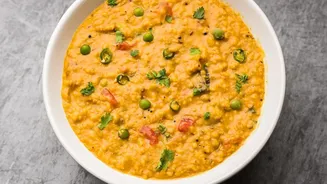
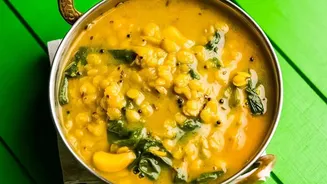
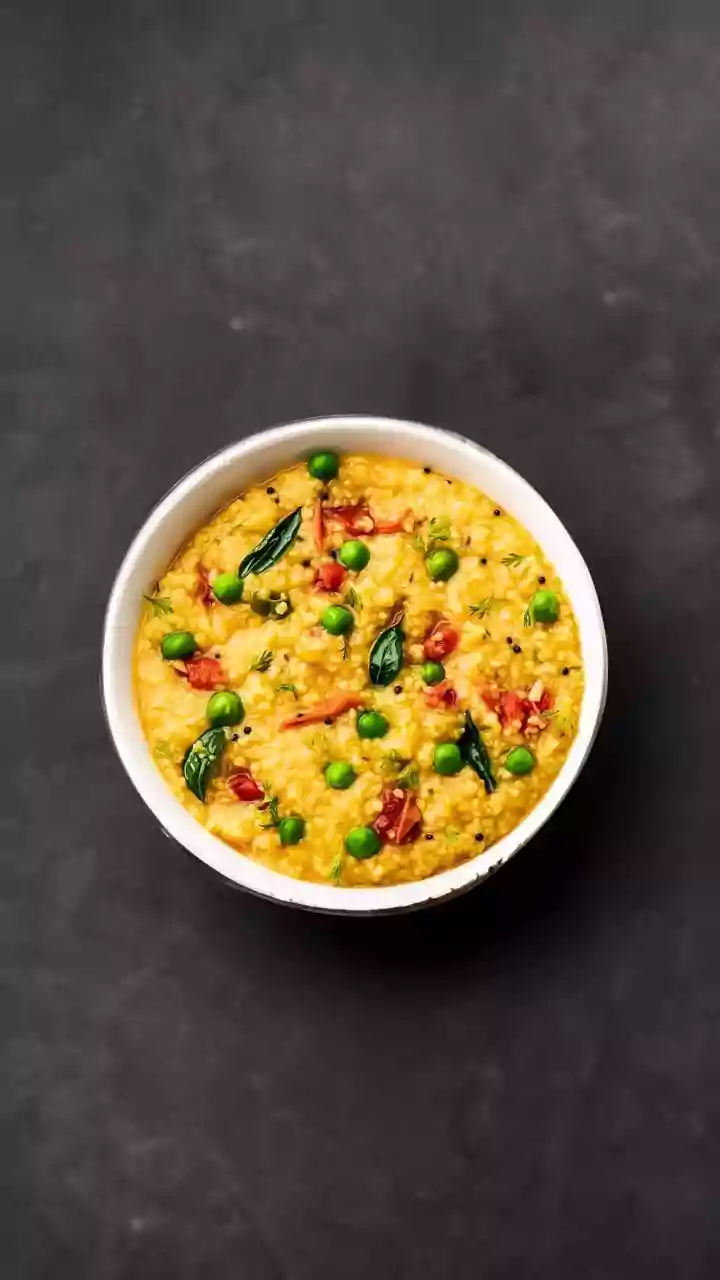
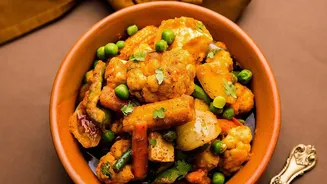
Turning your khichdi into a complete one-pot meal is as easy as adding vegetables. This not only boosts its nutritional value but also adds texture and flavour. Hardy vegetables like carrots, potatoes, and French beans can be diced and added along with the rice and dal to cook together. Softer vegetables like green peas and cauliflower florets are best added a little later in the cooking process to prevent them from turning to mush. For a boost of green goodness, stir in finely chopped spinach or methi (fenugreek leaves) a few minutes before you finish cooking; the residual heat will wilt the leaves perfectly.
Aromatic Spice Infusions
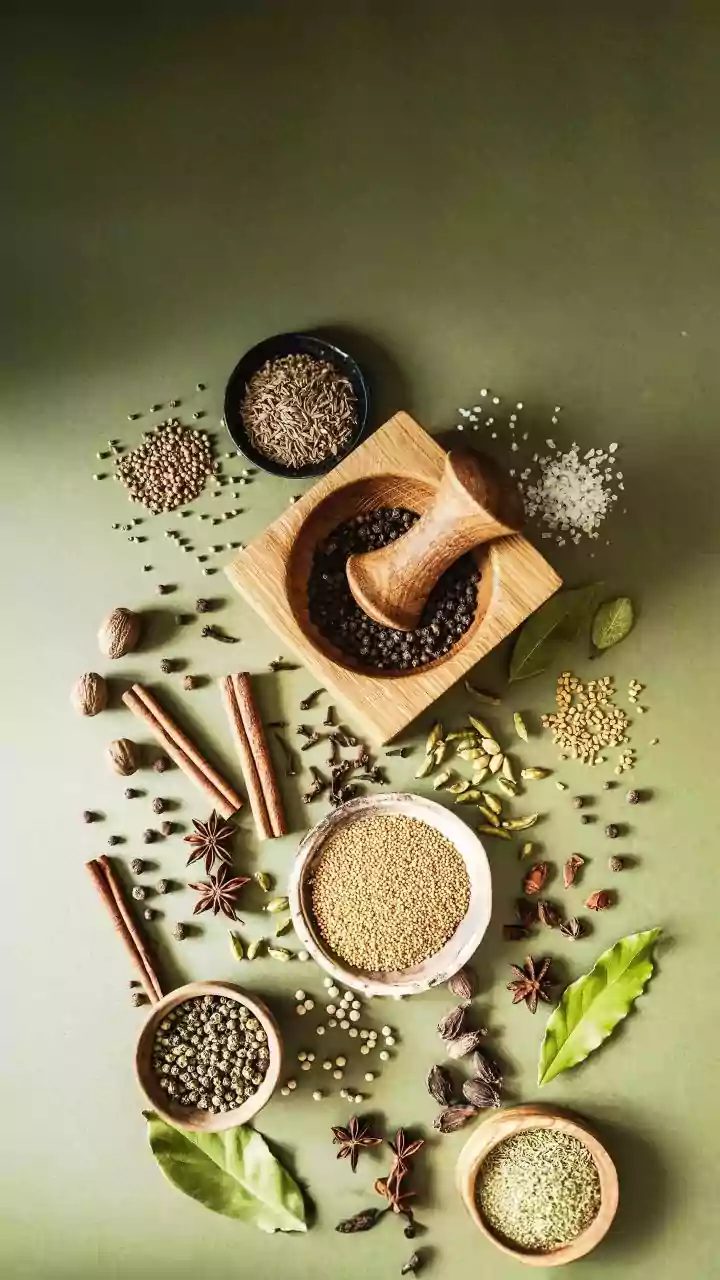
Beyond the tadka, you can infuse your khichdi with whole and ground spices to give it a more complex, pulao-like character. While the dal and rice are cooking, add whole spices like a cinnamon stick, a couple of cloves, and a green cardamom pod. These will release their subtle aromas into the dish. If you desire a more pronounced 'masala' flavour, a teaspoon of garam masala, coriander powder, or even sambar powder can be added while sautéing the initial aromatics like onion and tomato. This transforms the dish from a simple porridge to a hearty, flavourful meal in its own right.
A Tangy and Zesty Finish
To balance the earthy flavours of the lentils and the richness of the ghee, a touch of acidity can work wonders. Finely chopped tomatoes, sautéed with onions and ginger before adding the rice and dal, provide a gentle tang and a thicker consistency. A generous squeeze of fresh lemon juice just before serving brightens up all the flavours and adds a refreshing finish. In some regional variations, a small amount of tamarind paste is used to give the khichdi a deeper, sour note, similar to what you might find in dishes like Bisi Bele Bath.
Exploring Regional Inspirations
Different parts of India have their own unique take on khichdi. The Bengali 'khichuri', for instance, is often made with roasted moong dal and fragrant gobindobhog rice, giving it a distinctive nutty aroma. It is also common to see a mix of vegetables and a five-spice blend called 'panch phoron' used in the tempering. In the South, Pongal is a popular variation made creamy with cashews and fragrant with black peppercorns and curry leaves. While these often use specific types of rice or dal, the flavour principles can be adapted to your standard moong dal khichdi for a taste of something new.