




From ‘What To Buy’ to ‘How You Live’
The pursuit of a flexible home has been dominated by products: convertible coffee tables, Murphy beds, and sofas that reconfigure in a dozen ways. While these can be clever solutions, they often start with the furniture, forcing our lives to adapt to its
features. A more sustainable and affordable approach flips the script. It begins not with a shopping list, but with observation. True flexibility comes from designing your space around your habits, not the other way around. A home that flows effortlessly is one where the layout supports the natural rhythm of your family's day, from the morning rush to evening relaxation.
Conduct a ‘Habit Audit’ of Your Home
Before you move a single piece of furniture, take a few days to be an anthropologist in your own home. Where does everyone naturally gather? Notice the pathways people walk. Identify the ‘drop zones’ where keys, bags, and mail accumulate. Where does your child prefer to do homework, regardless of where the desk is? This habit audit provides a crucial map of how your space is actually used. Acknowledging these organic patterns is the first step. The goal isn't to fight against the tide of a cluttered corner but to understand why it exists and provide a better solution that aligns with the habit.
Create Zones With What You Already Own
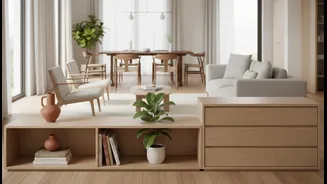
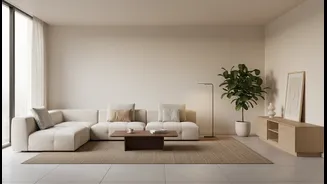
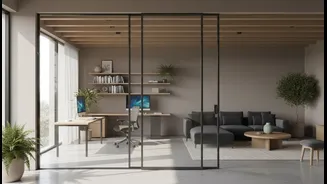
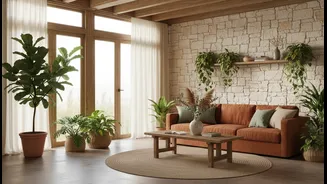
Once you understand your habits, you can create functional zones without building walls. Often, this requires no new purchases. Use a rug to visually anchor a conversation area in the living room, separating it from a play zone. Instead of pushing all furniture against the walls, try 'floating' a sofa in a larger room to create a distinct lounge space and a walkway behind it. A simple console table behind the sofa can act as a subtle divider that also serves as a workspace or display area. Even lighting can define a zone; a floor lamp and a comfy chair instantly create a reading nook in a forgotten corner. These techniques create purpose-built areas within a single room, allowing it to serve multiple functions seamlessly.
Rearrange, Repurpose, and Re-evaluate
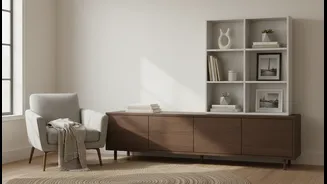
Your existing furniture has more potential than you think. That old dresser from a bedroom could become a TV stand or a server in the dining area. An accent chair gathering dust in a guest room might be the perfect addition to a living room conversation area. Sometimes the simplest change, like moving a sofa away from the wall or trying it on a different angle, can completely transform the flow and feel of a room. The key is to see your furniture not as fixed-in-place monoliths, but as a collection of tools you can rearrange to better support your daily activities. This process of re-evaluation costs nothing but can dramatically improve how you experience your home.
Mindful Choices Over Expensive Fixes
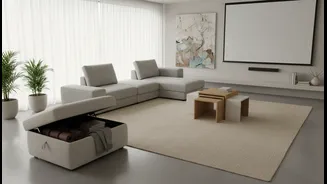
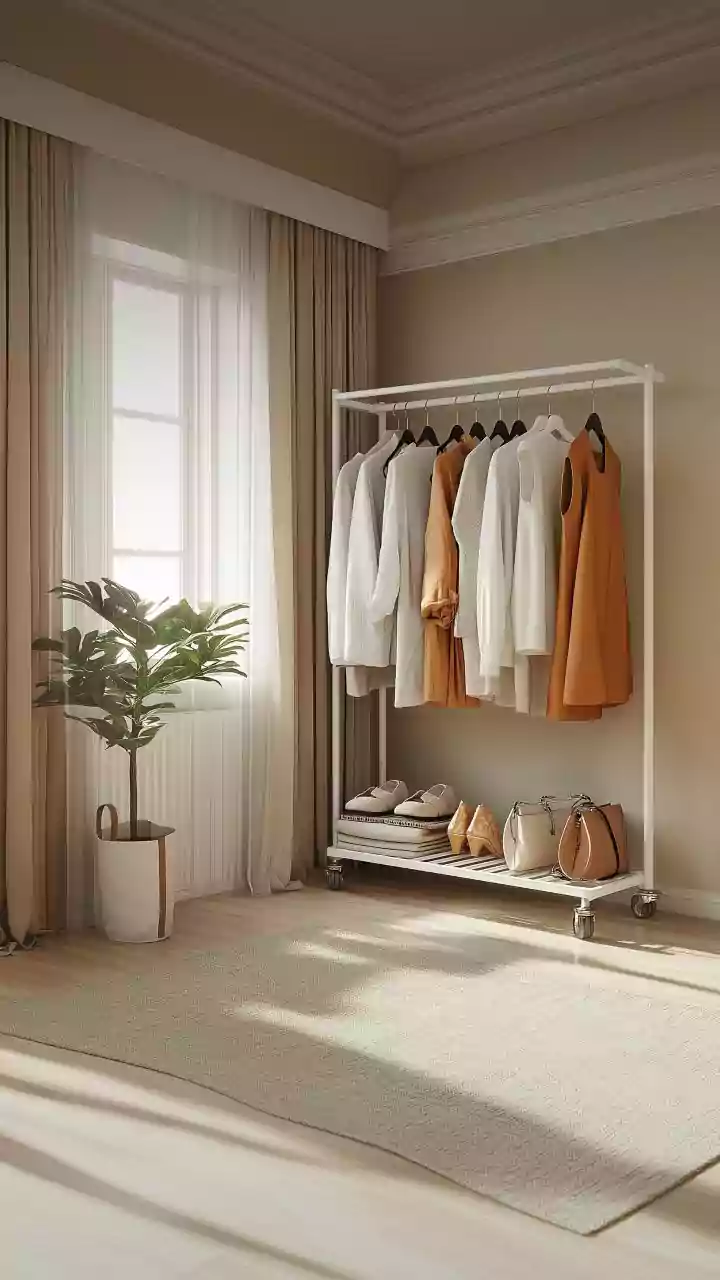
When you do need to add something, think light and adaptable. A rolling cart can serve as a mobile bar, a craft station, or a side table. Nesting tables offer extra surfaces when you have guests but tuck away neatly for daily life. Storage ottomans provide seating while hiding away clutter. These items are often far cheaper than a large piece of multi-functional furniture and offer more true flexibility because they can be moved and repurposed easily. The most profound shift is psychological; a tidy, organized home can reduce stress, improve focus, and promote a sense of calm and control. By focusing on creating a space that supports your mental well-being, you naturally move towards a more functional and harmonious environment.