


What Exactly is an Olla?
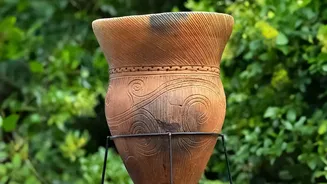
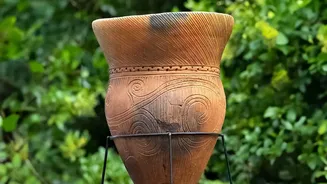
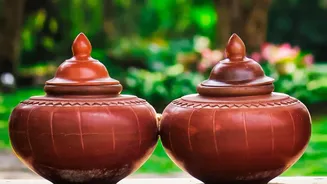
An olla (pronounced 'oy-yah') is an unglazed terracotta pot that is buried in the soil, leaving only its neck exposed. You fill the pot with water, and thanks to the porous nature of the clay, the water slowly and steadily seeps out into the surrounding
soil. This technique has been used for millennia in arid regions across the globe, from China and North Africa to the Americas, to grow crops efficiently in dry conditions. The name itself comes from the Spanish word for 'pot'.
The Simple Science of Slow Sips
The magic of the olla lies in a natural process called soil moisture tension. The unglazed clay walls are permeable, allowing water to pass through. However, the water doesn't just leak out uncontrollably. Instead, as the surrounding soil dries, it effectively 'pulls' water from the pot. When the soil is moist enough, the seepage slows or even stops. This creates a self-regulating system where plants can draw exactly the amount of water they need, directly at their roots, whenever they need it. This mimics natural osmosis and provides consistent moisture without any electronics or timers.
Why Ollas Excel in Balcony Gardens
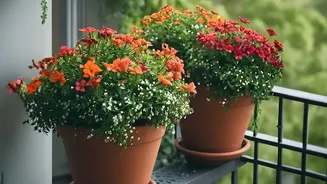
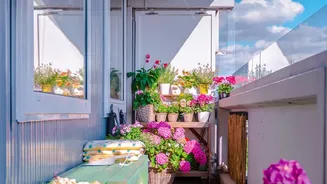
Container gardens on balconies are particularly vulnerable to drying out quickly due to sun and wind exposure. Ollas are perfectly suited to solve this problem. By delivering water underground, they can reduce water use by up to 70% compared to surface watering because there is almost no loss to evaporation. This not only conserves a precious resource but also means less work for the gardener. Plants develop stronger, deeper root systems as they grow towards the consistent water source. Furthermore, keeping foliage dry helps prevent fungal diseases, while the steady moisture supply can prevent issues like blossom end rot in tomatoes.
How to Use Ollas in Your Pots
Using an olla in a balcony container is straightforward. First, select an olla size appropriate for your pot, ensuring there's still ample room for soil and plant roots. When potting your plant, simply bury the olla in the soil, leaving the neck or opening above the surface. Plant your herbs or vegetables around it. Fill the olla with water and place a stone or cap over the opening to prevent evaporation and keep mosquitoes out. You'll need to refill the olla every few days to a week, depending on the weather and the thirst of your plants. This eliminates the guesswork of daily watering.
The Best Plants for Olla Irrigation
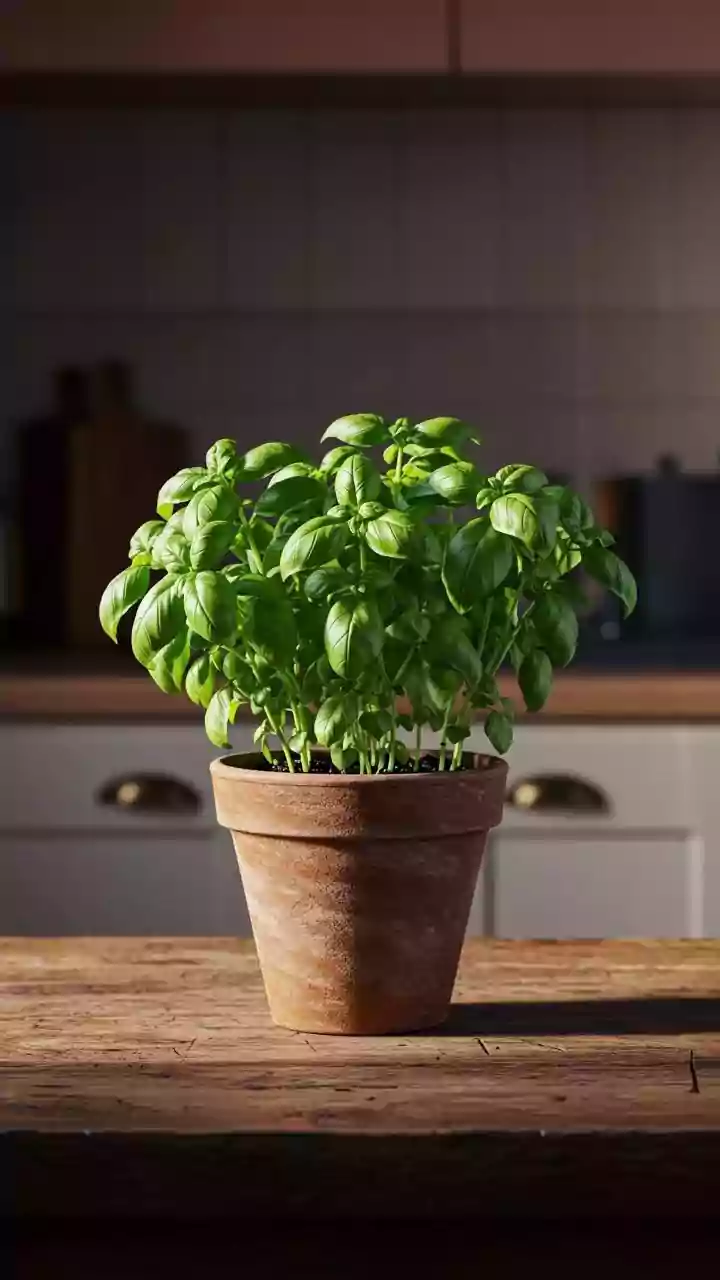
Ollas work best for plants with fibrous root systems that prefer consistent moisture. Thirsty vegetables and herbs thrive with this method. Think of plants like tomatoes, peppers, squash, cucumbers, and basil. These plants will often develop a dense mat of roots around the olla, taking full advantage of the steady water supply. Leafy greens and beans also do well. The system is less effective for plants that prefer very dry conditions or those with large, woody roots that could potentially crack the clay pot over time.
Things to Keep in Mind
While highly effective, ollas do have some limitations. Each olla has a limited irrigation radius, typically around 18 inches, so you need to position them strategically. They are not ideal for very sandy soils that drain too quickly. It's also important not to add liquid fertilizers into the olla itself, as this can clog the porous clay. Finally, while new transplants will eventually benefit, they may need some initial surface watering for a few weeks until their roots grow long enough to reach the olla's moisture zone.