
The Hype: Tokyo Imperial Palace
The idea of visiting the home of the Emperor of Japan sounds grand. Many travellers picture strolling through opulent palace rooms and sprawling, majestic gardens. The reality, however, is that you cannot enter the actual palace where the Imperial Family
resides. Public access is largely limited to the East Garden, which consists of the former grounds of Edo Castle. For many, the experience amounts to seeing moats, old stone walls, and a lawn where a castle keep once stood. While pleasant and free, some visitors find it lacks the 'wow' factor compared to other gardens in the city, with one survey of international visitors finding nearly half felt let down by the experience.
The Alternative: Hamarikyu or Shinjuku Gyoen Gardens
If a stunning Tokyo garden is what you're after, you have world-class options. Hamarikyu Gardens offers a striking contrast of serene tidal ponds and a traditional teahouse set against the futuristic skyline of Shiodome. It provides a dynamic landscape where you can enjoy matcha while watching water buses glide by. Alternatively, Shinjuku Gyoen National Garden is a masterpiece, combining three distinct garden styles: a traditional Japanese landscape, a formal French garden, and a picturesque English landscape. It's larger, more varied, and for many, a far more memorable and beautiful green space in the heart of the city.
The Hype: Kinkaku-ji (Golden Pavilion), Kyoto
There's no denying the beauty of Kinkaku-ji. A shimmering golden structure reflected perfectly in a mirror pond, it's the postcard image of Kyoto. But that iconic status comes at a cost: crowds. The experience can feel less like a serene temple visit and more like shuffling along a crowded, one-way path for a single photo opportunity. You cannot go inside the pavilion, and the entire visit can be over in less than 30 minutes, leaving some feeling underwhelmed by the hurried experience. For a visit to be worthwhile, arriving just before it opens is almost essential to avoid the tour bus crush.
The Alternative: Ginkaku-ji or Daikaku-ji Temple
For a more contemplative temple experience, consider Ginkaku-ji (The Silver Pavilion). Though it was never actually covered in silver, its understated beauty, exquisite moss gardens, and meticulously raked sand sea offer a more profound sense of wabi-sabi aesthetics. The path winds up a hill, offering lovely views over the temple grounds and Kyoto. For true peace and quiet, Daikaku-ji is a fantastic choice. This former imperial villa boasts expansive grounds, beautiful traditional buildings connected by wooden walkways, and a large, reflective pond. It remains incredibly quiet, even on weekends, allowing you to savour the atmosphere without the crowds.
The Hype: Arashiyama Bamboo Grove, Kyoto
The photos are ethereal: a towering forest of green bamboo stalks reaching for the sky. The reality, for most of the day, is a human traffic jam. The narrow path becomes packed with people from about 9 a.m. onwards, making it nearly impossible to experience the tranquillity the photos promise. The path itself is also surprisingly short. Unless you can arrive at dawn, the experience of a packed, noisy walk can shatter the magical illusion.
The Alternative: Otagi Nenbutsu-ji or Adashino Nenbutsu-ji
Just a bit further into Arashiyama lie temples that offer a more unique and peaceful experience. Otagi Nenbutsu-ji is home to 1,200 unique and whimsical stone statues of the disciples of Buddha, each with a different facial expression, covered in moss. Nearby, Adashino Nenbutsu-ji features thousands of stone statues honouring the souls of the dead, creating a powerful and poignant atmosphere. It even has its own small, and much quieter, bamboo grove. Both provide the serene, mystical feeling many seek from the main grove, but with a fraction of the visitors.
The Hype: A Paid View from a Tokyo Tower
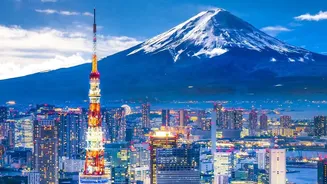
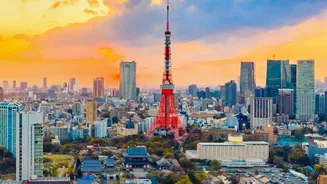
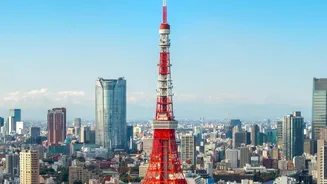
Whether it's the iconic Tokyo Tower or the towering Skytree, paying for a city view often involves long queues and a hefty price tag. While the views are impressive, especially from the Skytree's 450-meter-high galleria, they offer a perspective that is arguably less interesting than seeing those landmarks as part of the skyline itself. You're inside the landmark, not looking at it.
The Alternative: Tokyo Metropolitan Government Building
For one of the best bargains in the city, head to the Tokyo Metropolitan Government Building in Shinjuku. Its observation decks, located 202 meters up, are completely free to enter. The panoramic views are genuinely spectacular, stretching across the vast urban landscape. On a clear day, you can even see Mount Fuji. While other options like Shibuya Sky offer a modern, open-air experience for a fee, the government building provides a world-class vista without costing a single yen, making it the smartest choice for a panoramic city view.