



What Is Low-Waste Beauty, Really?
Low-waste beauty is more than just using less plastic. It’s a philosophy centered on mindful consumption. The goal is to minimise environmental impact at every stage of a product's life, from sourcing to disposal. This translates into several key practices.
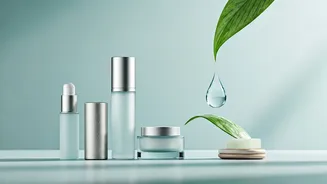
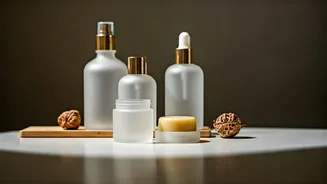
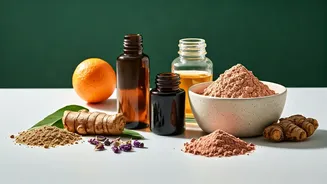
Brands are focusing on packaging that is either refillable, reusable, or easily recyclable. [2, 25] The products themselves are also changing. We're seeing a rise in solid, waterless formats like shampoo bars and serum sticks, which require less packaging and reduce carbon footprints during shipping because they are lighter and more compact. [5, 6, 7] It also includes the concept of “circular beauty,” which uses upcycled ingredients—materials that are by-products of other industries (like coffee grounds or fruit seeds)—to create new, effective skincare actives. [2, 11, 14] Ultimately, it’s about choosing products that are designed to be effective for you and gentle on the planet.
Why Is This Happening Now?
Several forces are pushing low-waste beauty into the spotlight. The primary driver is consumer demand. [13] Shoppers, particularly Millennials and Gen Z, are increasingly aware of environmental issues and are more likely to purchase from brands that align with their values. [12, 22] They are actively seeking out sustainable options and are even willing to pay more for them. [13] Brands have taken notice. Sustainability is no longer just a corporate responsibility checkbox; it’s a major market opportunity. The global refillable cosmetics market is projected to grow significantly, with some forecasts predicting it will reach over $10 billion by 2030. [9] Major players like L'Oréal are launching multi-brand refill initiatives, a clear sign that what was once a niche concept is now a key business strategy. [9] This shift is also supported by innovations in formulation and packaging that make sustainable options more accessible, effective, and luxurious than ever before. [23, 24]
The New Look of Your Beauty Shelf
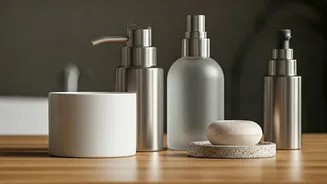
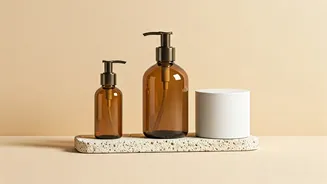
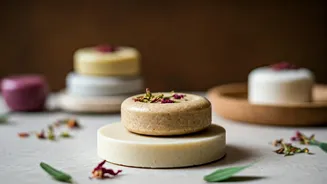
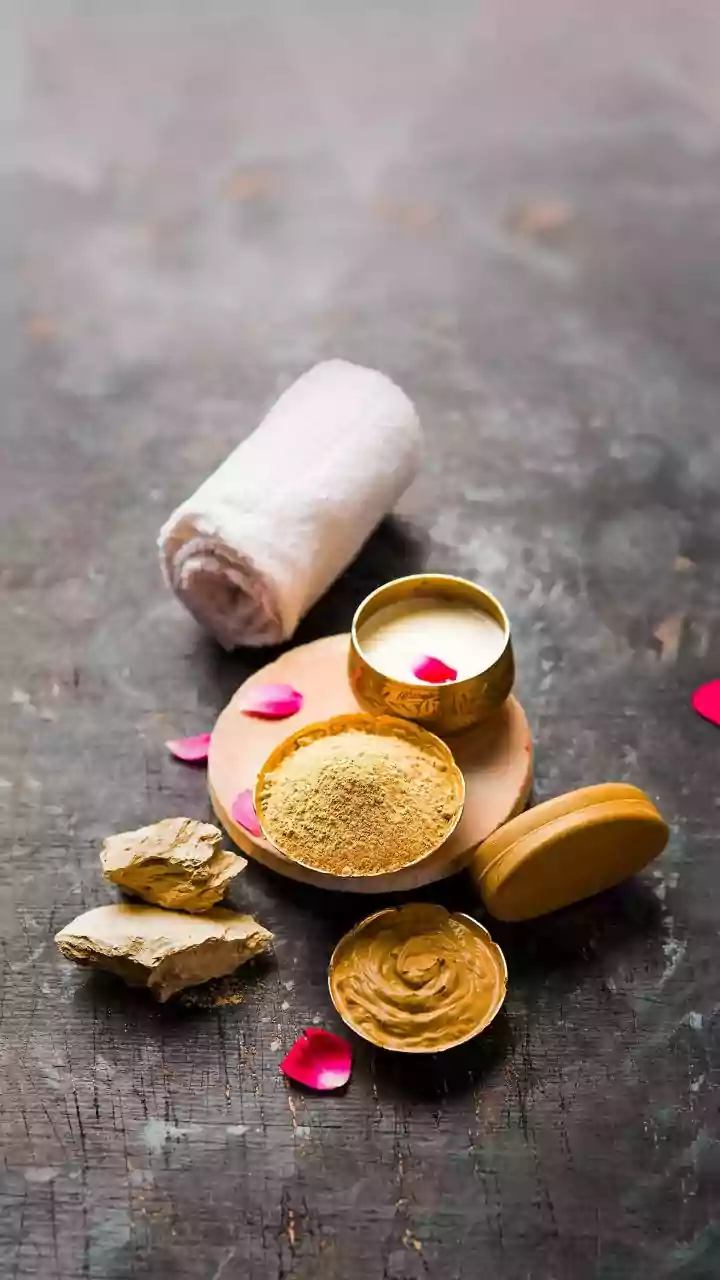
As the low-waste movement grows, your bathroom counter might start to look a little different. Instead of rows of single-use plastic bottles, you’ll find smarter, more sustainable formats. Solid bars for shampoo, conditioner, and even moisturiser are becoming common, eliminating the need for plastic bottles entirely. [8, 25] The refill revolution is another major trend, with brands offering everything from lipstick refills to pouches of foundation and skincare. [3, 9, 10] This model reduces packaging waste significantly—sometimes by over 80% per product—without sacrificing the high-quality containers consumers love. [9] Waterless or anhydrous beauty products are also gaining traction. [4, 5, 6] These concentrated formulas, which come as powders, balms, or oils, not only conserve water but often contain a higher percentage of active ingredients since they aren't diluted. [5, 7] In India, several homegrown brands are pioneering this space, offering everything from shampoo bars to refillable makeup and products in biodegradable packaging. [20, 30]
How to Start a Low-Waste Routine
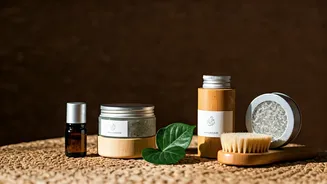
Adopting a low-waste beauty routine doesn't require a complete overhaul overnight. The most sustainable first step is to use up the products you already own. Once you're ready to replace an item, consider a more eco-friendly alternative. Look for products with minimal or plastic-free packaging. [20] Opt for multi-purpose products—like a tint that works for both lips and cheeks or a balm that can be used on the face, body, and hands—to reduce overall consumption. When you buy a new product, check if the brand offers a refill option for future purchases. [24] Finally, make sure to properly dispose of your empty containers. Many brands now offer take-back programs or provide clear instructions on how to recycle their packaging. The key is to focus on making small, conscious choices consistently. Each mindful purchase contributes to a larger industry shift towards a more sustainable future.