



Choose Your Backpack Wisely
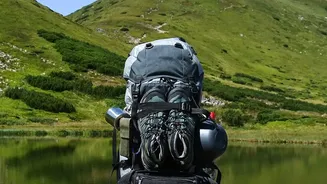
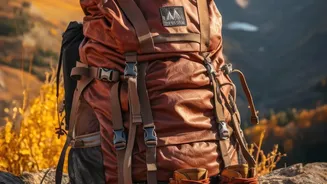
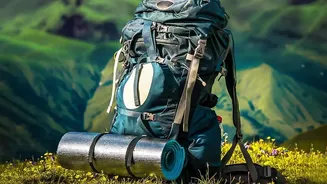
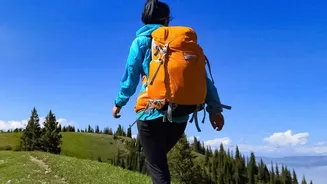
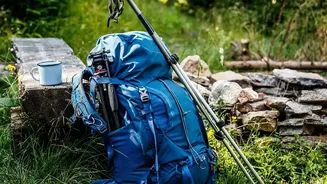
Before you think about what goes inside, the bag itself is your most important decision. For a one or two-day monsoon trek, a 30-40 litre backpack is generally sufficient. Look for a model with good shoulder and waist support to distribute weight evenly
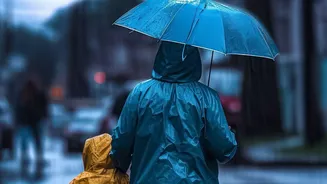
and prevent strain. Most importantly, it must be waterproof. While some backpacks are made of waterproof material, a dedicated rain cover is non-negotiable. A good cover will shield your entire bag from a downpour, ensuring your clothes and electronics stay dry. A poncho that covers both you and your pack is also an excellent alternative. This simple piece of gear is your first line of defense against the elements.
Clothing: The Art of Layering
When it comes to clothing, one word is key: synthetic. Cotton is a trekker's worst enemy in the monsoon. It absorbs moisture, becomes heavy, and takes a very long time to dry, which can leave you feeling cold and uncomfortable. Instead, opt for quick-drying fabrics like polyester or nylon for your t-shirts and trekking pants. Dressing in layers is another crucial strategy. A typical setup includes a quick-dry base layer, a warm fleece or light jacket for the mid-layer, and a waterproof, breathable rain jacket as the outer layer. This allows you to adapt to changing weather conditions, which can shift from sunny to rainy in minutes. Always pack at least one extra pair of quick-drying socks.
Footwear: Your Connection to the Trail
Your shoes are arguably the most critical piece of gear for safety and comfort. Regular sports shoes or sneakers will not suffice on slippery monsoon trails. Invest in a pair of waterproof trekking shoes with high ankle support and deep grooves on the sole for maximum grip on wet rocks and mud. It is vital to break in your shoes before the trek to avoid painful blisters. Never wear a brand-new pair of shoes on a long hike. Paired with the right shoes, good socks are essential. Avoid cotton and choose wool-blend or synthetic socks that wick moisture away from your skin, keeping your feet drier and reducing the risk of blisters.
The Essentials: Safety and Health Kit
A well-stocked first-aid kit is mandatory. While pre-made kits are available, you should customize yours. Include antiseptic wipes, assorted bandages, gauze, medical tape, blister pads, and pain relievers. For monsoon treks, add rehydration salts (ORS) and any personal medications. Insect repellent is also a must, as the rains bring out a variety of bugs. In many regions, leeches are common; carrying a small pouch of salt or a sanitizer can help to remove them easily. Finally, always carry a whistle—it's a simple, lightweight safety device that can be used to signal for help in an emergency.
Gear and Gadgets: Staying Powered and Prepared
Protecting your electronics from water damage is crucial. The simplest and most effective method is to use zip-lock bags or dedicated waterproof pouches for your phone, camera, and power bank. It's wise to double-bag them for extra security. A fully charged power bank is essential, as you can't rely on finding charging points. Even on a day trek, always carry a headlamp or a torch with extra batteries. Unexpected delays can mean you find yourself on the trail after dark. Lastly, consider using a trekking pole. It provides an extra point of contact with the ground, significantly improving your stability on slippery descents and while crossing streams.
Fuel for the Journey: Hydration and Snacks
Trekking burns a lot of energy, and staying hydrated and fueled is vital. Carry at least two to three litres of water. A hydration bladder is a convenient, hands-free option. Along with water, packing high-energy snacks will keep you going. Good choices include nuts, dates, energy bars, and trail mix. These are lightweight, easy to eat on the move, and provide a quick boost of energy when you need it most. Avoid relying on finding food on the trail, especially in more remote areas. Being self-sufficient with your food and water is a key part of responsible trekking.