

Start with a Shelf-Stable Mindset
The first step in your plan is choosing the right type of gift. While a creamy cheesecake is lovely, it requires constant refrigeration and has a very short life, making it a tricky present. Instead, focus on gifts that are naturally shelf-stable. Items
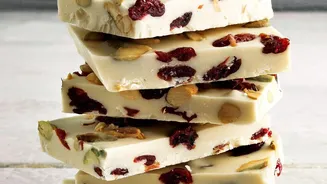
with low moisture and high sugar or salt content tend to last longer. Think crunchy biscotti, spiced nuts, granola, fudge, jams, and infused vinegars. These treats don't require refrigeration and can withstand being transported and sitting under a tree for a little while, giving your recipient more flexibility. Dry mixes for hot cocoa, pancakes, or cookies layered in a jar are another fantastic and visually appealing option that can be made well in advance.
Ingredient Intelligence for Longevity
The ingredients you choose are your best tools for ensuring freshness. Sugar, salt, and acids like vinegar act as natural preservatives. This is why jams, jellies, and pickles are classic gifting choices. When baking, ingredients like honey and molasses not only add flavour but also help retain moisture, keeping cookies and cakes softer for longer. Conversely, be cautious with high-risk ingredients. Anything with fresh cream, custard, soft cheese, or meat fillings must be kept refrigerated below 40°F to prevent bacterial growth and should be gifted with clear instructions for immediate storage. Unless you are an experienced canner following tested recipes, it's safest to avoid home-canned low-acid vegetables, which can pose a risk of botulism if not processed correctly.
The Power of Proper Preparation
Your preparation technique is crucial for maximising shelf life. For baked goods, the most important step is allowing them to cool completely before packaging. Trapping warm items will create condensation, leading to sogginess and faster spoilage. If you're making jams or pickles, sterilising your glass jars is non-negotiable. Wash jars in hot, soapy water and then sanitise them by submerging them in boiling water for at least 10 minutes to eliminate any bacteria that could compromise your creation. For infused oils, it's recommended to use dried herbs rather than fresh to reduce the moisture that can encourage bacterial growth, and always store the final product in the refrigerator.
Packaging for Freshness and Flair
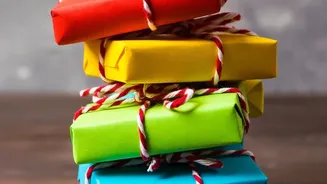
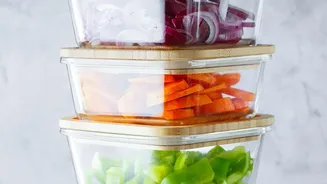
The right container is both a barrier against spoilage and a key part of your gift's presentation. Airtight is the operative word. Tins are excellent for cookies and fudge as they are sturdy, stackable, and protect fragile items from breaking. Line tins with wax or parchment paper to prevent sticking and absorb any excess oil. Glass jars with screw-top lids are perfect for powders like cocoa mix, loose granola, or pickles. While beautiful, avoid glass if you plan on mailing your gift; opt for lighter, shatterproof plastic containers instead. No matter the container, ensure it’s sealed tightly to keep air and moisture out, and freshness in.
The Final, Crucial Step: Clear Instructions
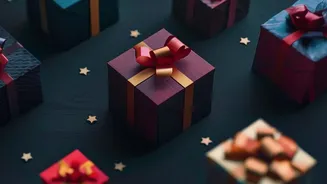
Don't let your hard work go to waste by leaving the recipient guessing. The final part of your plan is clear communication. Attach a tag or label to every gift. This label should include a list of key ingredients, especially potential allergens like nuts or dairy. It should also include a “best by” date and clear storage instructions. Simple phrases like “Enjoy within one week” or “Refrigerate after opening” make a world of difference. This not only ensures food safety but also shows an extra level of care, making your thoughtful gift even more special.