



The Five-Minute Warm-Up Rule
Never jump straight into a workout, especially at home where distractions can lead to improper form. A proper warm-up is essential for preventing injury and preparing your body for exercise. It gradually raises your heart rate, increases blood flow, and improves
muscle flexibility. Just five to ten minutes can make a significant difference. Start with light cardio like jogging in place or high knees. Follow this with dynamic stretches such as arm circles, leg swings, and torso twists to lubricate your joints and ready your muscles for the work ahead.
Upper Body Strength Without Weights
You don't need a bench press to build a strong upper body. The classic push-up is a highly effective exercise that targets your chest, shoulders, and triceps. If a standard push-up is too challenging, start with incline push-ups against a wall or a sturdy table. As you get stronger, progress to doing them on your knees, and then finally to full push-ups. For your back and biceps, an exercise like the 'superman' with a 90/90 arm retraction is excellent. Lie on your stomach and lift your chest and legs, then pull your elbows back as if doing a row. Another great option is tricep dips, which can be done using the edge of a sturdy chair or your bed.
Build a Powerful Lower Body
Your legs are your body's powerhouse, and training them is crucial for overall strength and fitness. Bodyweight squats are the foundation of any good leg workout. Focus on keeping your chest up and sinking your hips as if sitting in a chair, ensuring your thighs get parallel to the floor. Lunges are another fantastic exercise for targeting each leg individually, which helps improve balance and correct strength imbalances. You can do them forward, backward, or even walking if you have a little extra space. To target your glutes and hamstrings, the glute bridge is a simple but powerful move. Lie on your back with your knees bent and lift your hips toward the ceiling, squeezing your glutes at the top.
A Strong Core is Key
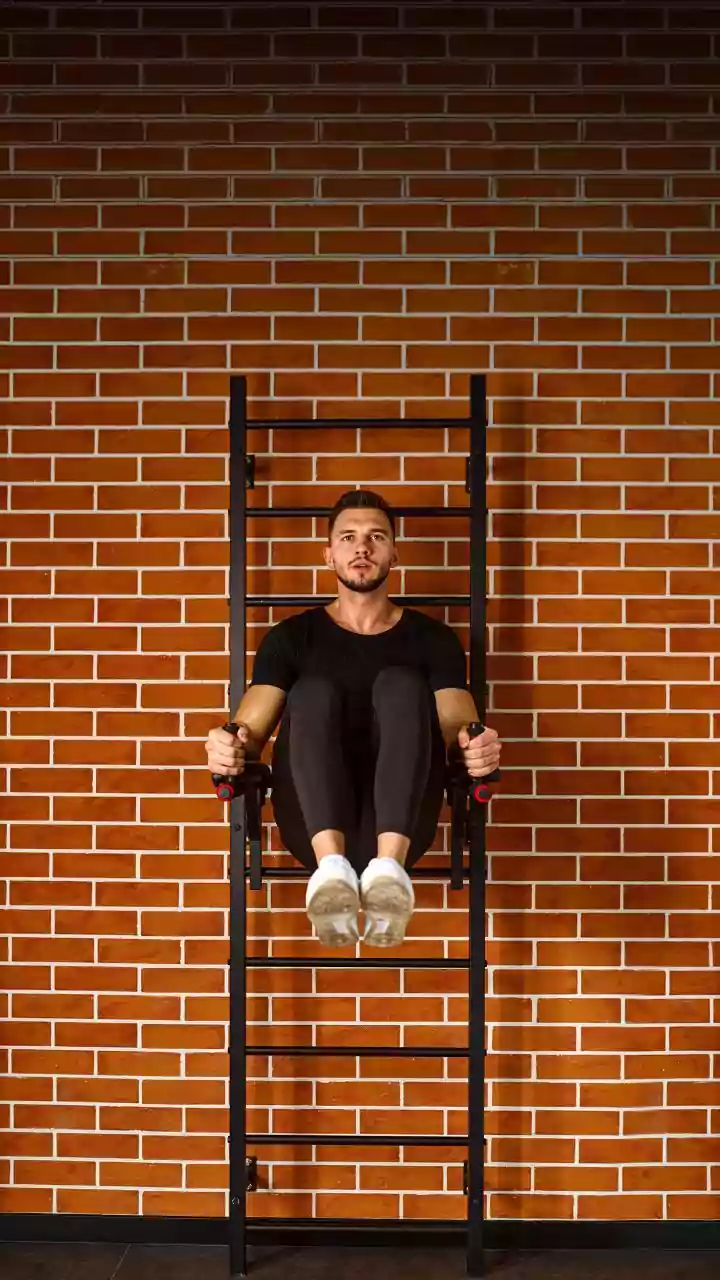
A stable core is the foundation of almost every movement you make. The plank is one of the best exercises for core stability. The goal is to hold a straight line from your head to your heels, engaging your abdominal muscles. Avoid letting your hips sag or rise too high. You can start with a 20-30 second hold and gradually increase the time. Other effective core exercises that require minimal space include crunches, leg raises, and the 'hollow body hold,' where you lie on your back and lift your shoulders and legs slightly off the floor, creating a 'banana' shape with your body.
Creating Your Workout Routine
Consistency is more important than intensity when you're starting out. Aim for three to four workout sessions per week. A great way to structure your workout is by creating a circuit. Perform one exercise from each category (upper body, lower body, core) for a set number of repetitions, for example, 10-15 reps, then move to the next exercise with minimal rest. After completing all exercises, rest for 60-90 seconds and repeat the entire circuit 3-4 times. This high-intensity interval training (HIIT) approach can improve fitness and reduce body fat effectively. Most importantly, listen to your body; don't chase fatigue at the expense of good form.
Don't Skip the Cool-Down
Just as important as the warm-up, a cool-down helps your body gradually return to its resting state. Stopping suddenly can cause dizziness as your heart rate and blood pressure drop. Spend about five minutes performing static stretches, holding each stretch for 20-30 seconds. Focus on the muscles you worked: stretch your chest, triceps, quads, hamstrings, and glutes. This can help ease muscle tension, improve flexibility, and reduce soreness after your workout. It's the perfect way to cap off your session and aid recovery.