





The Great Indian Food Transition
For the first time in modern history, the average Indian household is spending less than half of its budget on food. Recent Household Consumption Expenditure Surveys show that the share of food in rural spending has dropped from 53% in 2011-12 to about
46% in 2022-23. In urban India, the drop is from 48% to 39%. This is a classic sign of a developing economy. As incomes rise, people spend proportionally less on basic sustenance. The biggest change is the declining dominance of cereals. The share of spending on rice and wheat has nearly halved, while consumption of items like milk, fruits, vegetables, and processed foods has risen significantly.
The Complex Protein Picture
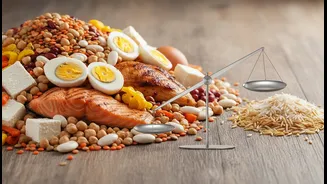
A key part of this transition is the search for protein. On average, per capita protein intake has slightly increased to adequate levels, reaching about 62 grams per day in rural areas and 63 grams in urban areas. More importantly, the source of this protein is changing. The share of protein derived from cereals is falling, with a slow but steady shift towards sources like milk, eggs, fish, and meat. However, this doesn't tell the whole story. Cereals still account for a massive 46-47% of protein intake in rural India and around 39% in cities. This indicates that while there's progress, dietary diversity remains a major challenge, and many Indians are still not getting enough high-quality, non-cereal protein.
A Tale of Two Thalis
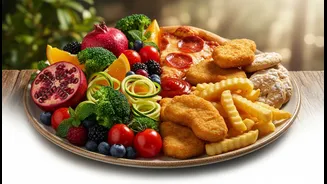
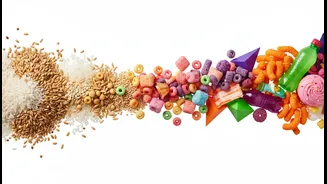
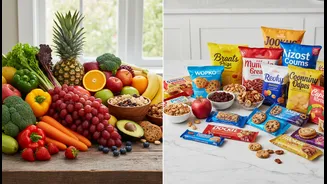
This dietary shift is profoundly uneven, creating a stark divide between urban and rural India. The urban food basket is increasingly diverse, but also features more fat, sugar, and processed items. Rural to urban migrants often adopt diets higher in energy and fat but also consume more fruits and vegetables. In contrast, rural diets remain heavily reliant on cereals. While urban calorie intake hovers around the recommended 2,100 kcal per day, average rural intake has dipped below the 2,400 kcal recommendation, pointing to a persistent energy deficit in the countryside. This gap is a story of access, affordability, and awareness, painting a picture not of one Indian diet, but of many.
The Double Burden on Health
The consequences of this uneven transition are playing out in public health clinics across the country. India is now grappling with a 'double burden of malnutrition'. On one side, undernutrition, stunting, and micronutrient deficiencies remain serious problems, particularly in rural areas and among children. On the other side, the shift towards energy-dense, processed foods in urban and semi-urban areas is fuelling an epidemic of overnutrition. Rising rates of obesity are directly linked to an alarming increase in non-communicable diseases (NCDs) like type 2 diabetes and heart disease, which are now the leading causes of death in the country.
Ripple Effects Down on the Farm
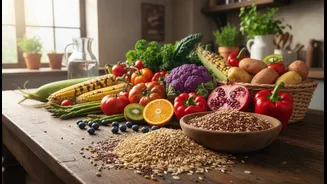
This changing demand from consumers sends powerful signals to India's agricultural sector. A food system geared towards producing cereal staples for decades must now adapt. The future requires a shift towards diversifying production to include more pulses, oilseeds, fruits, and vegetables. It also means bolstering the allied sectors of dairy, poultry, and fisheries to meet the growing demand for animal protein. This agricultural pivot is not just about market opportunity; it's a necessity. Encouraging the cultivation of less thirsty crops like millets over water-intensive rice and wheat is crucial for environmental sustainability and can even boost the availability of key nutrients like iron and zinc in the food supply.