





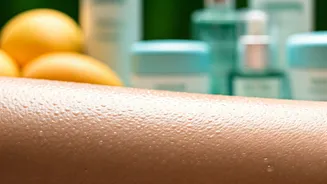


Understand the Enemy: Humidity and Your Skin
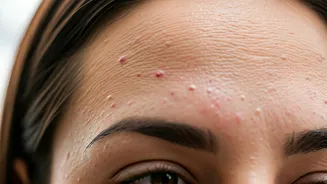
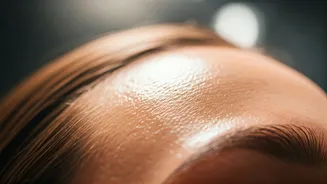
High humidity is a major trigger for acne breakouts. The moisture in the air signals your skin's sebaceous glands to produce more oil, or sebum. This excess oil then mixes with sweat, dirt, and dead skin cells, creating the perfect recipe for clogged
pores. These blockages can manifest as blackheads, whiteheads, and inflamed pimples, making your skin feel greasy and prone to blemishes. The warm, damp environment is also an ideal breeding ground for acne-causing bacteria to thrive.
Cleanse Gently, But Thoroughly
Washing your face is crucial, but over-washing can backfire. Stripping your skin of its natural oils can cause your glands to produce even more sebum to compensate. Aim to cleanse twice a day with a gentle, pH-balanced, or foaming cleanser to effectively remove sweat and oil without causing irritation. If you’ve been sweating heavily, an extra rinse with a mild face wash is acceptable. Look for products containing salicylic acid, which helps to unclog pores and manage excess oil.
Lighten Up Your Moisturiser
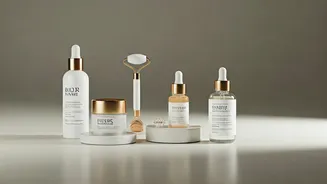
It might seem counterintuitive to moisturise when your skin feels oily, but skipping this step is a common mistake. Dehydrated skin can trigger more oil production. The key is to switch from heavy creams to lightweight, oil-free, or gel-based formulas. Ingredients like hyaluronic acid are excellent for providing hydration without adding a greasy feel. These water-based products absorb quickly, keeping your skin hydrated and balanced without suffocating your pores.
Don’t Skip the Sunscreen
Sunscreen is a non-negotiable step, even on cloudy, humid days. UV rays can penetrate clouds, and sun exposure can worsen the dark marks left behind by acne. Many people fear that sunscreen will clog their pores, but the trick is to choose the right formula. Opt for sunscreens labelled “non-comedogenic” (meaning they won't clog pores), oil-free, and lightweight. Gel or fluid sunscreens with mineral ingredients like zinc oxide and titanium dioxide are often well-tolerated by acne-prone skin.
Incorporate Smart Exfoliation
Regular exfoliation is important for removing the buildup of dead skin cells that can contribute to clogged pores, especially in humid weather. However, avoid harsh physical scrubs that can irritate the skin and potentially make acne worse. Instead, consider chemical exfoliants like salicylic acid (a BHA) or glycolic acid (an AHA). These ingredients work to gently dissolve the bonds holding dead skin cells together. Start by using an exfoliating product once or twice a week to see how your skin tolerates it.
Make Smart Lifestyle Adjustments
Small changes in your daily habits can make a big difference. Wear breathable, lightweight fabrics like cotton to allow sweat to evaporate instead of trapping it against your skin. Always change out of sweaty clothes or wet swimwear as soon as possible. Try to keep your hands away from your face to avoid transferring dirt and bacteria. Furthermore, keeping your pillowcases and towels clean is essential, as damp fabrics can become breeding grounds for bacteria.