


The Burnout from Counting
For years, the gold standard of 'healthy eating' revolved around one thing: the calorie. We were told to count them, track them, and burn them. Fitness apps and wearable tech turned our daily meals into a complex math problem. While this approach can
be useful for specific goals, for many, it has led to food-related anxiety, guilt, and a disconnect from our body's natural hunger and fullness signals. This constant mental load is precisely what many young Indians are now rejecting. They are seeking a method that feels less like a restriction and more like a form of self-care, leading them away from spreadsheets and back to their senses.
What Is Intuitive Portion Mapping?
Don't be intimidated by the technical-sounding name. 'Intuitive portion mapping' isn't about a complex chart or a new app. At its core, it’s a modern term for a timeless practice: using visual cues to estimate portion sizes, rather than meticulously weighing and measuring every ingredient. The most popular method involves using your own hand as a portable, personalised measuring tool. It combines the principles of mindful eating—paying attention to your body's needs—with a practical system for building a balanced plate without the stress. The goal is to make healthy eating feel natural and sustainable, not like a temporary diet.
Your Hand: The Ultimate Portion Guide
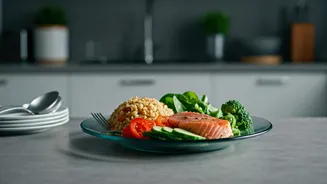
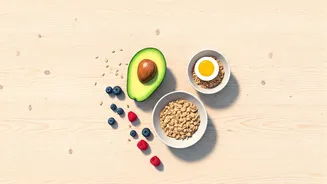
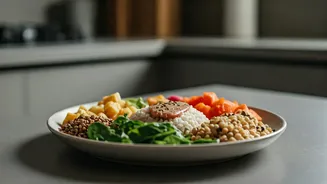
So, how does it work? It's surprisingly simple and effective because your hand size is proportional to your body size, making it a naturally scaled guide. Here’s the basic framework nutritionists often recommend: - **Protein (Paneer, Chicken, Lentils):** A portion is about the size and thickness of your palm (not including your fingers). - **Vegetables (Sabzi, Salads):** Aim for a portion that fills a fist. This encourages a plate rich in fibre and micronutrients. - **Carbohydrates (Rice, Roti, Potatoes):** A serving size is what fits into your cupped hand. For a roti, this would translate to one or two depending on size. - **Fats (Oils, Ghee, Nuts):** A healthy fat portion is roughly the size of your thumb, from the tip to the first knuckle. Using this guide for most meals helps ensure you're getting a balanced intake of macronutrients without the obsession over exact grams or calories.
The Mental Health Advantage
Perhaps the biggest benefit of this approach is its positive impact on mental well-being. By moving away from the 'good food' vs. 'bad food' mentality encouraged by strict calorie counting, intuitive portioning helps reduce guilt and anxiety around eating. It fosters a healthier relationship with food, where you learn to trust your body’s signals of hunger, satisfaction, and fullness. This shift helps dismantle the toxic cycle of restriction and binging that often accompanies rigid diets. It empowers individuals to enjoy social meals without the panic of going 'off-plan,' making it a more holistic and joyful approach to nourishment.
Is It for Everyone?
Intuitive portion mapping is an excellent tool for the general population looking to maintain a healthy weight and build sustainable eating habits. It's perfect for those who have a history of yo-yo dieting and want to find a more peaceful, long-term solution. However, it's important to be realistic. For elite athletes, bodybuilders, or individuals with specific medical conditions like diabetes or kidney disease, a more precise approach involving calorie and macronutrient tracking may be necessary under the guidance of a doctor or registered dietitian. For most people, however, learning to eyeball portions and listen to their body is a powerful and liberating step towards better health.