






The High Cost of a Slow Menu
In today’s hyper-competitive dining market, speed is everything. Customers accustomed to instant results from apps and websites now have the same expectation when they dine out. A slow-loading digital menu, whether on a QR code link or a tablet, introduces
friction at the most critical moment of the customer journey. This delay directly impacts business, leading to smaller orders, frustrated patrons, and lower table turnover. Studies show that even minor lags can cause potential customers to abandon the process altogether. It’s a silent revenue killer. A fast menu experience, on the other hand, correlates with higher customer satisfaction and increased spending. For restaurant owners in India, where the digital transformation is accelerating, optimising this first point of digital contact is no longer optional.
Behind the Digital Curtain
So, what makes a menu fast or slow? The answer lies in a stack of technologies working behind the scenes. It starts with the basics: optimized, low-resolution images and efficient code. But the real performance comes from more advanced solutions. Many modern digital menu platforms use Content Delivery Networks (CDNs) to store menu data closer to the user's geographical location, reducing latency. The entire system is often part of a cloud-based Point of Sale (POS) setup, which integrates ordering, billing, and inventory. This integration is crucial. When an item runs out in the kitchen, a properly integrated digital menu can remove it in real-time, preventing customer disappointment. The result is a seamless flow of information from the customer’s phone directly to the kitchen display system (KDS), improving order accuracy and preparation speed.
The Business of Speed
Recognizing this need, a new ecosystem of tech companies has emerged, offering sophisticated platforms that go far beyond a simple PDF link. These platforms provide restaurants with a suite of tools designed to maximise revenue. The most significant of these is dynamic pricing. Much like airlines and ride-sharing apps, restaurants can now adjust menu prices in real-time based on demand, time of day, or even local events like a cricket match. A dish might cost slightly more during the dinner rush and less during a slow afternoon. These systems also use AI to analyse sales data, identify popular items, and suggest upsells, encouraging customers to add a drink or a dessert. This data-driven approach turns the menu from a static list into a powerful, flexible tool for growth and inventory management.
More Than Just QR Codes
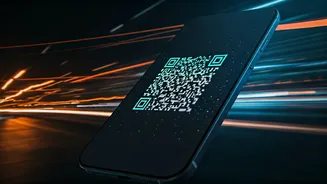
While QR codes became the face of contactless dining, they are just one component of a much larger operational shift. The technology powering fast menus also underpins self-ordering kiosks, in-house tablets, and drive-thru digital boards. These systems are all connected to a central management platform, allowing a restaurant chain to update prices or launch a promotion across hundreds of locations instantly. The goal is to create an omnichannel experience where the customer journey is smooth, whether they are ordering in-person, online for delivery, or through a mobile app. This unified tech stack, including POS systems, KDS, and customer relationship management (CRM) tools, is becoming the new standard for efficient restaurant operations in 2026.
The Human Element in a Digital World
However, the relentless drive for efficiency comes with its own set of challenges. Some diners find the QR code experience impersonal, preferring the traditional paper menu and interaction with a server. There are also accessibility concerns for customers who may be less tech-savvy or do not have a smartphone. Restaurant operators note that technology should be an enabler, not a replacement for human warmth and hospitality. Pankil Shah, of Neighbourhood Hospitality, has stated that AI and automation are best used behind the scenes for tasks like inventory planning and feedback analysis. The consensus among many successful restaurateurs is that technology should support staff, freeing them up to provide better, more personalized service, rather than replacing them entirely.