

The Two Worlds of Indian Pickling
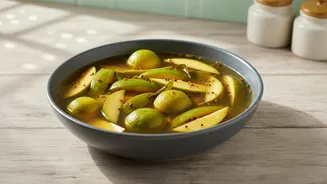
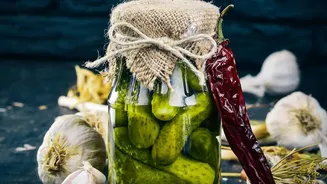
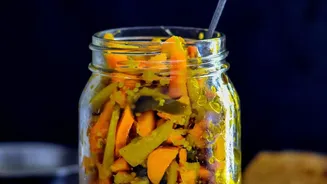
When you think of an Indian pickle, or achaar, you likely picture pieces of mango, lime, or chilli submerged in a thick, spicy layer of oil. This method is a form of chemical pickling, where oil, salt, and spices create an environment that prevents spoilage.
The oil acts as a barrier, sealing the contents from the air, which is essential for preservation. While deeply traditional and delicious, this process relies heavily on an external preservative—oil—to do its job. However, there is another, equally ancient tradition that achieves preservation through a completely different, and entirely oil-free, process.
Enter Salt-Brine Fermentation
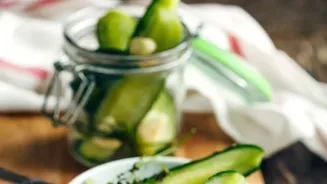
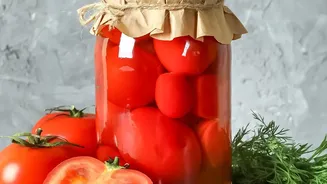
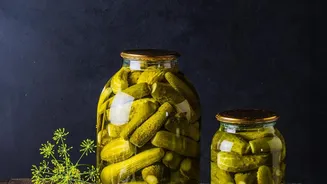
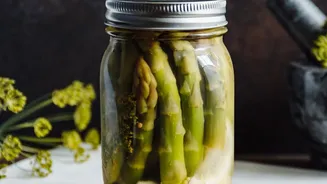
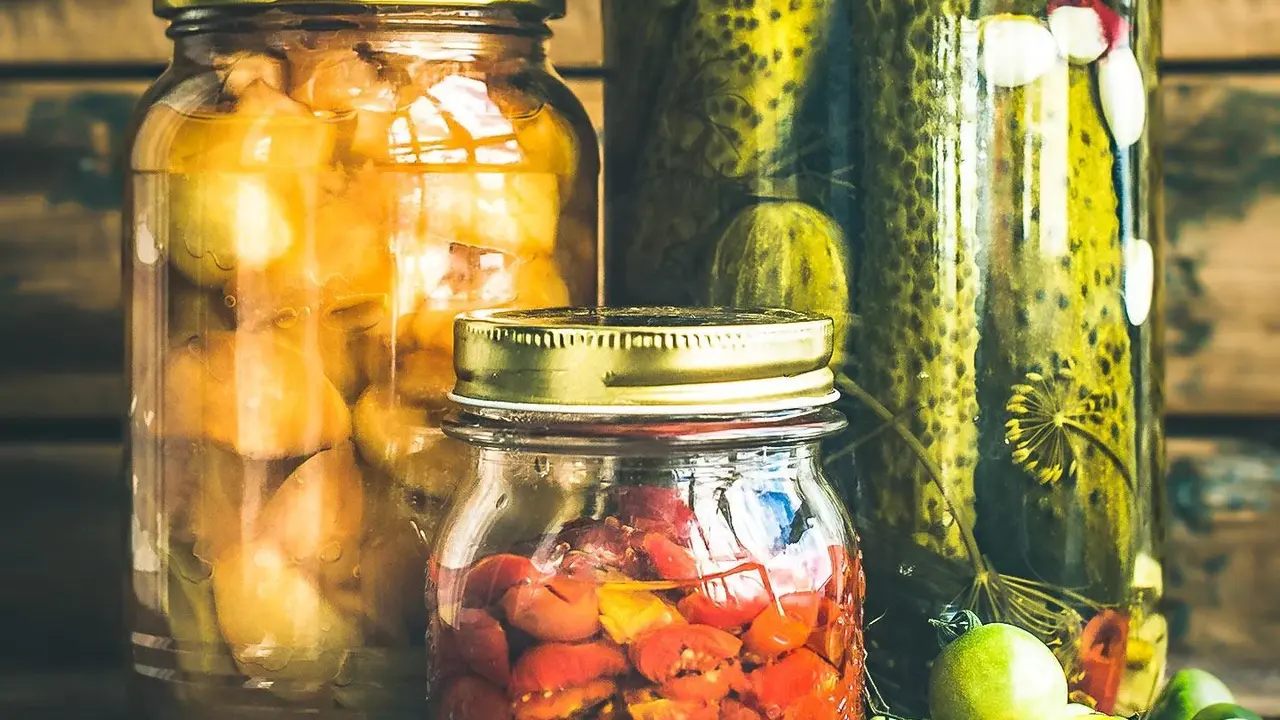
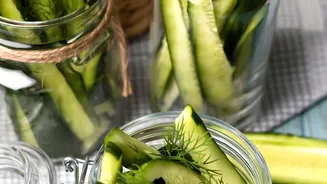
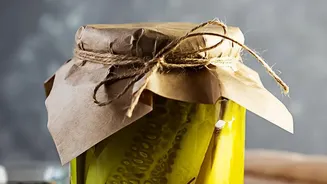
Salt-brine fermentation, also known as lacto-fermentation, is a preservation technique that harnesses the power of beneficial, naturally occurring bacteria. The method is beautifully simple: vegetables are submerged in a solution of salt and water (a brine). The word 'pickle' itself comes from the Dutch 'pekel', which means brine. In this salty, anaerobic (oxygen-free) environment, specific types of bacteria, primarily from the Lactobacillus family, begin to thrive. These are the same kinds of good bacteria found in yoghurt or dahi. This method has been used for millennia across India to preserve everything from carrots and radishes to gourds and cucumbers.
The Science of Natural Preservation
So, how does salt and water preserve food without any oil or vinegar? The magic lies in the microbes. The salt in the brine serves two purposes: it pulls water out of the vegetables, keeping them crisp, and it inhibits the growth of harmful, spoilage-causing bacteria. This gives the salt-tolerant Lactobacillus bacteria a competitive advantage. These tiny organisms then get to work, consuming the natural sugars present in the vegetables and converting them into lactic acid. This lactic acid is the key preservative. It lowers the pH of the brine, making the environment too acidic for bad bacteria to survive. The result is a naturally preserved pickle, teeming with life.
A Gut-Friendly Health Boost
The primary advantage of salt-brined pickles over their oil-based or vinegar-pickled counterparts is their probiotic content. Because the fermentation process cultivates live bacteria, the final product is a living food. Consuming these foods can introduce beneficial microbes to your digestive system, which is believed to support gut health and aid digestion. While traditional oil pickles are rich in flavour from spices, the fermentation process itself adds another layer of nutritional benefit. Many commercial pickles, preserved primarily with vinegar or pasteurisation, lack these live cultures. Truly fermented pickles offer both preservation and a probiotic punch.
Flavour: Spicy vs. Tangy and Complex
The taste profile of a fermented pickle is distinct from that of a standard oil-based achaar. Oil pickles are often dominated by the intense heat of chillies and the aromatic punch of mustard, fenugreek, and other spices, all carried by the richness of the oil. Salt-brine fermented pickles, on the other hand, develop a characteristic tangy, sour flavour from the lactic acid. It’s a clean, often effervescent taste that allows the natural flavour of the vegetable to shine through in a new way. Popular examples in India include Kanji, a drink made from fermented black carrots and mustard seeds, which has a distinct, pungent tang.