



The End of the ‘Showroom’ Home
For decades, a coordinated living room suite was a hallmark of a well-appointed home. The matching sofa, armchairs and coffee table signalled order and affluence. But today, a different kind of luxury is taking hold: the luxury of personality. Designers
and homeowners alike are moving away from what can feel like a generic 'showroom' look. This shift reflects a broader desire for our homes to be more than just beautiful; we want them to be meaningful. The goal is no longer a flawless, assembled space but an inhabited one that tells a unique story about the people who live there. This trend is less about following rigid design rules and more about expressing individuality.
A Story in Every Corner
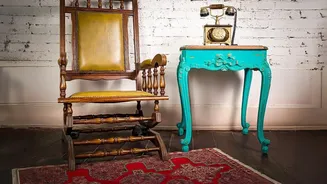
The core idea behind mixing furniture styles is storytelling. A home that combines a sleek, modern sofa with a grandparent's antique wooden chest, or pairs a contemporary dining table with chairs found in a local market, feels layered and authentic. These juxtapositions tell the story of a family's history, travels, and evolving tastes. Memories rarely come in matching sets, and a home that reflects this feels more genuine. An inherited teak trunk, a hand-painted ceramic bowl from a holiday, or a piece of art from a friend all carry emotional weight that mass-produced items cannot replicate. By intentionally curating these pieces, the home becomes a living scrapbook of personal experiences.
The Art of the Mix: How to Make it Work
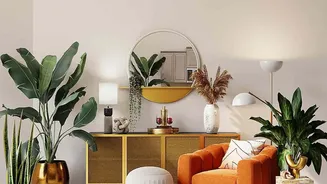
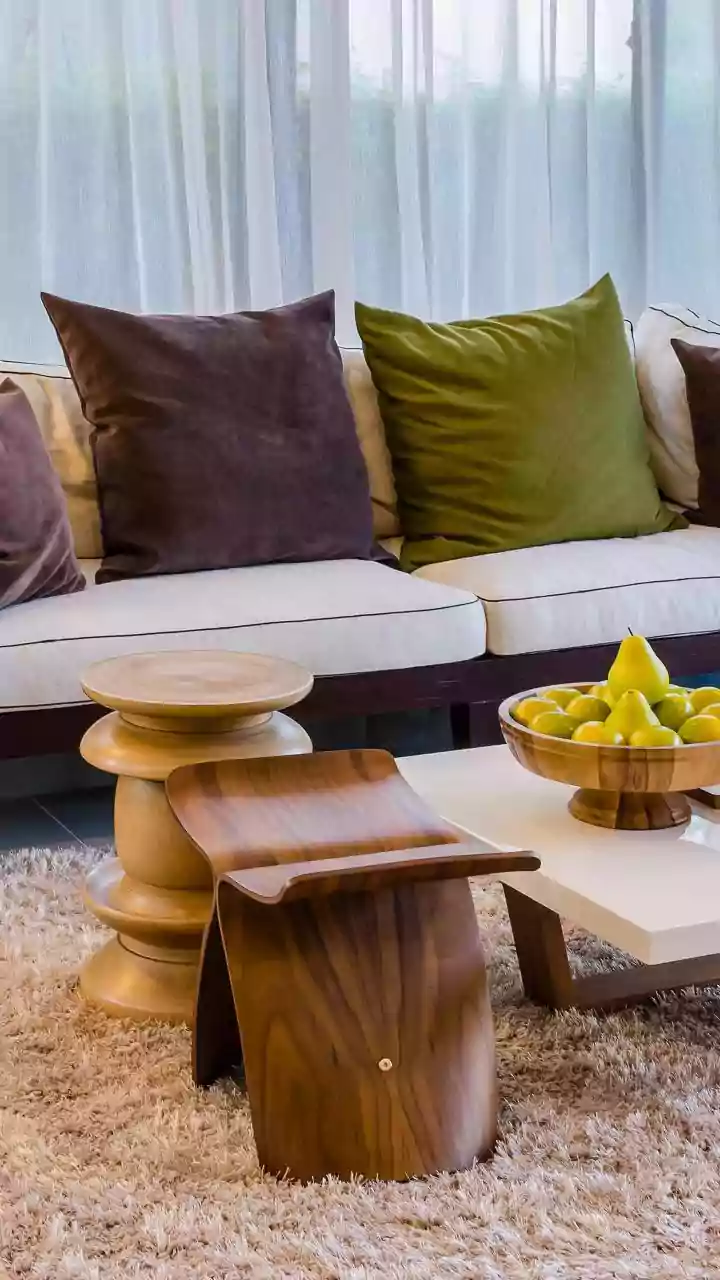
While the eclectic approach celebrates freedom, it's not about creating chaos. A well-designed mixed-style room is carefully orchestrated. The secret is to find a unifying element that ties the disparate pieces together. This could be a consistent colour palette, where different styles are united by shared warm or neutral tones. For instance, a neutral backdrop of beige or white can ground a room, allowing bolder, traditional colours in textiles and art to pop without overwhelming the space. Another strategy is to repeat textures or materials. A mix of furniture can feel cohesive if there's a recurring element, like wood, brass, or a particular fabric, appearing throughout the room. Scale is also important; ensure that a large, modern sofa is balanced by a substantial vintage cabinet, rather than a tiny, delicate one.
Traditional Meets Contemporary: An Indian Fusion
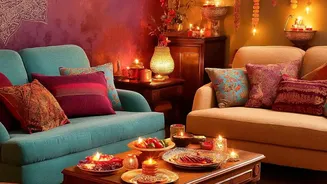
One of the most popular expressions of this trend in India is the fusion of traditional craftsmanship with modern minimalism. This approach honours cultural heritage while embracing contemporary living. Think of a minimalist, clean-lined living room featuring a stunning, intricately carved wooden jhoola (swing) as a focal point. Or a sleek, modern sofa adorned with vibrant, hand-embroidered Kantha or Ikat cushions. This blend works beautifully, as the simplicity of modern furniture provides a perfect canvas for the richness of Indian arts and crafts. You might see a modern dining table paired with traditional patterned tiles as a backsplash in the kitchen, or a brass urli filled with flowers sitting on a sleek glass console table.
Beyond Furniture: Textiles, Art, and Lighting
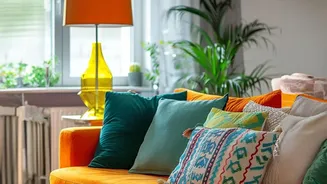
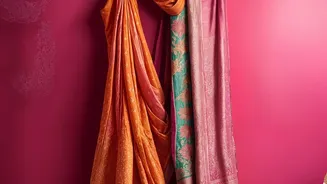
Creating a personal, eclectic look extends beyond just furniture. Textiles play a crucial role in adding warmth, texture, and colour. Layering handloom fabrics like cotton and silk with modern materials like linen creates a rich, tactile experience. Art is another powerful tool for personalisation. A gallery wall that mixes a traditional Tanjore painting with a modern abstract print can become a captivating focal point that sparks conversation. Lighting also offers an opportunity to blend styles. A traditional brass chandelier can hang dramatically over a modern dining set, or Mughal-inspired jali-patterned lamps can cast intricate shadows in a room with contemporary LED fixtures.