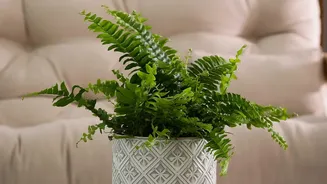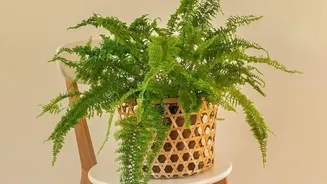





Lush, feathery ferns bring a touch of ancient forests into our homes, but keeping their delicate fronds green can feel like a challenge. What if a simple daily ritual could change that, boosting their health and saving you money?
Why Your Fern Craves Humidity
Ferns are one of the oldest
plant groups on Earth, originating in the damp, shaded floors of tropical and subtropical forests. This evolutionary history is key to understanding their needs. In their natural habitat, the air is thick with moisture, and they are shielded from harsh, direct sun by a dense canopy. Modern homes, especially those with air conditioning or heating, often have very dry air. For a fern, this is a hostile environment. Low humidity causes the plant to lose moisture from its leaves faster than its roots can absorb water, leading to the most common fern ailment: brown, crispy frond tips. By increasing the humidity around your fern, you are simply recreating the conditions it was born to thrive in.
The Simple Art of Misting
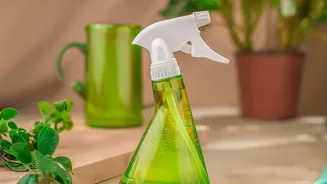
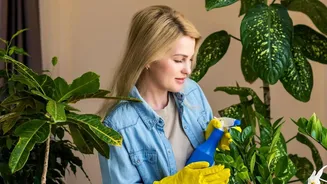
Misting is the most direct way to provide your fern with a temporary humidity boost, mimicking the dew of its native environment. To do it effectively, use a spray bottle that produces a fine mist rather than large, heavy droplets. The best time to mist is in the morning, which gives the foliage time to dry before nightfall, reducing the risk of fungal issues. While some suggest using regular tap water is fine, using distilled or filtered water can prevent the buildup of mineral deposits that leave white spots on the leaves. Aim to mist your plants two to three times a week, or more if your home is particularly dry, lightly coating the fronds without drenching them. This simple act also helps to wash away dust, allowing the leaves to breathe and absorb light more efficiently.
How Healthier Plants Save You Money
The connection between a healthy fern and lower expenses is straightforward. First and foremost, a thriving plant doesn't need to be replaced. Crispy, brown, and dying ferns are a common sight in many homes, leading to the recurring cost of buying new ones. By maintaining adequate humidity through misting, you prevent the primary cause of their decline. Furthermore, healthy plants are more resilient to pests. Pests like spider mites thrive in dry conditions, and a stressed, dehydrated fern is an easy target. Preventing an infestation by keeping your plant healthy saves you from spending money on pest control sprays and treatments. Finally, proper hydration and humidity reduce the need for specialised fertilisers aimed at reviving struggling plants. A consistently cared-for fern is a one-time investment that pays off in lasting beauty.
Misting Mistakes to Avoid
While beneficial, misting can cause problems if done incorrectly. The biggest mistake is overdoing it. Leaves that remain wet for long periods, especially in rooms with poor air circulation, can develop fungal diseases or rot. It's crucial that the mist is fine and the leaves can dry. Avoid misting late at night, as the water will sit on the foliage for too long in the cool, dark hours. Another common error is believing that misting can compensate for improper watering of the soil. Misting provides humidity for the foliage, but the roots still need a consistent supply of moisture from the soil. The soil should be kept evenly moist but never soggy. Overwatering the soil is a quick way to cause root rot, a far more serious issue.
Beyond Misting: Other Humidity Hacks
Misting provides a temporary boost, but for more consistent humidity, consider other methods. One popular technique is creating a pebble tray. Place your pot on a tray filled with pebbles and water, ensuring the bottom of the pot sits on the pebbles and not in the water. As the water evaporates, it creates a humid microclimate around the plant. Another effective strategy is to group your humidity-loving plants together. Plants naturally release moisture through a process called transpiration, and clustering them allows them to share this ambient humidity. For many plant owners, the simplest solution is to place ferns in naturally humid rooms like a bathroom (with a window) or kitchen.