








The Rise of the Quick Escape
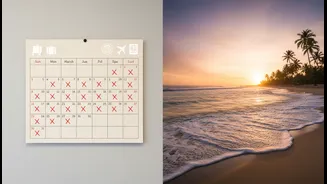
In today’s fast-paced world, the idea of taking several small, rejuvenating breaks is replacing the traditional annual vacation for many. These short trips, often called micro-vacations or 'holiday snacking', are typically two to four days long and are designed
to provide a quick mental and physical reset. The appeal is simple: they require less planning, are more budget-friendly, and can be easily slotted into a busy schedule, often by just adding a single day off to a weekend. Studies and travel reports suggest that these frequent, shorter getaways can be more effective at reducing stress and improving overall well-being than one long holiday. This trend is booming in India, where professionals and families are increasingly seeking manageable escapes from the urban grind without exhausting their leave balances.
Rule #1: Maximise Time with Direct Routes
The cornerstone of a successful micro-trip is efficiency. When you only have a few days, you don't want to spend a significant portion of them in transit. This is why choosing a destination that is easily and directly accessible is critical. Opting for non-stop flights, direct trains, or destinations within a few hours' drive minimises travel fatigue and maximises your time for relaxation and exploration. In India, the vast network of domestic flights and excellent road connectivity makes countless destinations ideal for a quick getaway. Whether it's a short flight to Goa or Jaipur, or a road trip to nearby hill stations like Lonavala, Mussoorie, or Coorg, the goal is to spend less time getting there and more time being there. Planning your travel outside of peak hours can also help avoid traffic and queues, making the journey smoother.
Rule #2: The Early Start Advantage
An early start is a micro-tripper’s secret weapon. Kicking off your journey at dawn on the first day, rather than mid-morning, can feel like adding an extra half-day to your vacation. This strategy is less about sacrificing sleep and more about shifting your mindset to make every hour count. Arriving at your destination early allows you to beat the crowds at popular spots, enjoy a peaceful breakfast, and settle in before the midday rush. Similarly, treating the first evening of your trip as the real start, even if it's just arriving for a late dinner on a Friday, extends the feeling of being away from your routine. By waking up early, you get to experience the quiet, golden hours of a new place, which can often be the most memorable part of the entire trip.
Rule #3: Simple Stays for Richer Experiences
On a micro-trip, the focus shifts from luxurious, all-inclusive resorts to practical and authentic accommodation. Travellers are increasingly opting for clean, centrally located, and cost-effective lodging like boutique hotels, homestays, or private rentals. This choice isn't just about saving money; it's a strategic decision to encourage exploration. Simple, well-located accommodation serves as a comfortable home base, prompting you to spend more time out in the local environment, trying new cafes, and discovering hidden gems. The rise of platforms offering unique stays in both urban and rural areas has made it easier than ever to find lodging that offers a local feel. While comfort is still a priority, the extravagance of a five-star resort is often traded for the character and convenience of a smaller, more intimate setting.
Putting It All Together
Planning the perfect micro-trip is about being intentional. Start by choosing a destination that doesn't involve a stressful journey. Pack light—a small backpack or carry-on is usually enough for a two or three-day trip and makes navigating much easier. Instead of creating a packed itinerary, identify just one or two key activities you want to do and leave the rest of your time open for spontaneous discovery. The goal is to escape the feeling of being over-scheduled that often defines our daily lives. Whether it’s a solo retreat to a quiet hill station, a food-focused tour of a nearby city, or a relaxing beach weekend with family, the key is to unplug and allow yourself to genuinely reset, even if it's just for a couple of days.