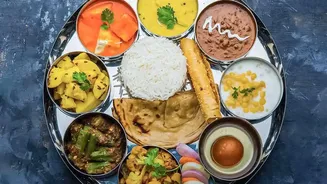



The morning rush often makes a box of cereal seem like the easiest breakfast choice. But the enduring wisdom of a traditional Indian breakfast offers a far superior way to fuel your day, providing steady, sustained energy long after the morning has passed.
The Sweet Trap of Modern Mornings
Many popular breakfast cereals are loaded with simple carbohydrates and added sugars. While they provide a quick burst of energy, it's often followed by a 'sugar crash'. This happens when your body rapidly produces insulin to manage the spike in blood glucose, leading to a sudden drop in energy levels. This can leave you feeling tired, irritable, and hungry long before lunchtime. Meals high in refined carbohydrates and low in protein and fibre are known to cause these wild swings in blood sugar, making you reach for another snack to get through the morning.
The Science of Sustained Fuel
Sustained energy comes from a balanced meal that your body digests more slowly. The key lies in three components: complex carbohydrates, protein, and fibre. Complex carbs, found in whole grains, are broken down slowly, providing a steady release of glucose, your body’s main fuel. Protein is crucial for slowing digestion and regulating blood sugar levels, which prevents energy crashes and keeps you feeling full. Fibre, the indigestible part of plants, also slows down the absorption of sugar and helps you feel satisfied for longer. A breakfast that combines these three elements is the recipe for lasting energy.
The Wisdom of Poha, Idli, and More
This is where traditional Indian breakfasts truly shine. They are naturally designed to provide balanced, slow-release energy. Consider these examples:
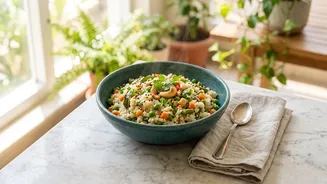
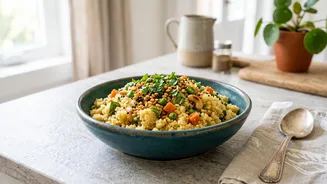
- Poha: Made from flattened rice, poha is a source of complex carbohydrates. When cooked with vegetables and peanuts, it becomes a well-rounded meal with added fibre, vitamins, and a crucial dose of protein and healthy fats from the nuts.
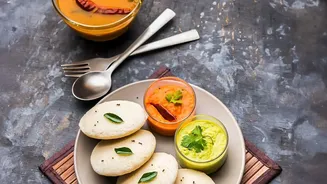
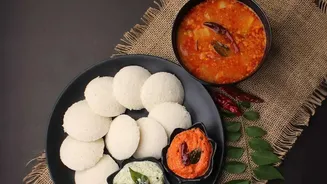
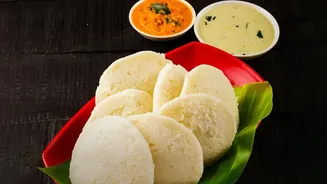
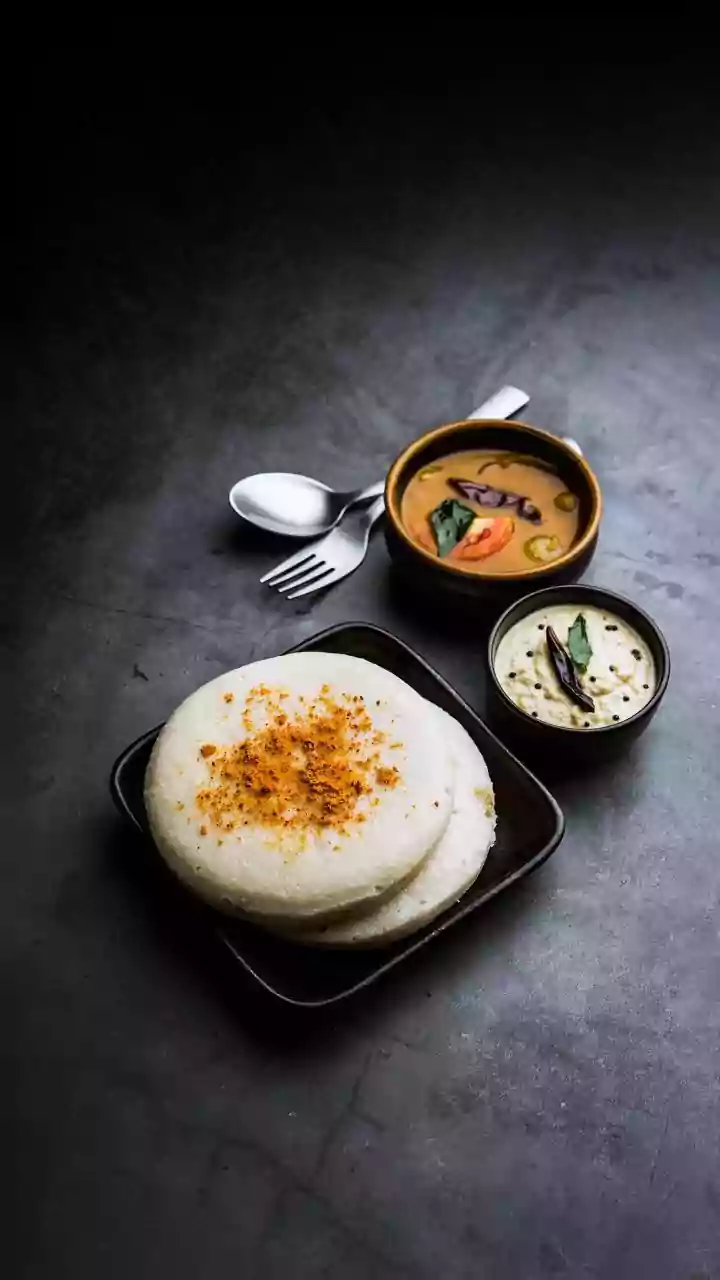
- Idli/Dosa with Sambar: This South Indian staple is a powerhouse of nutrition. The batter, made from fermented rice and lentils, provides easily digestible carbs and plant-based protein. The fermentation process also introduces beneficial probiotics for gut health. When paired with sambar, a lentil-based stew packed with vegetables, the meal's protein and fibre content increases significantly.
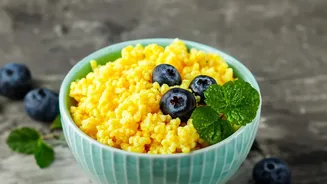
- Upma: This savoury semolina dish is another excellent choice. Roasting the semolina gives it a lower glycemic index, and adding plenty of vegetables boosts its fibre content. It's a comforting meal that keeps you full and energised.
More Than Just Energy
The benefits of a traditional Indian breakfast extend beyond just energy levels. The use of spices like turmeric and mustard seeds adds antioxidants and anti_inflammatory properties to your meal. Dishes like idli and dosa are fermented, which can support a healthy gut microbiome. Furthermore, because these meals are freshly prepared and incorporate a variety of ingredients like vegetables, lentils, and grains, they deliver a broader spectrum of micronutrients than most processed cereals. They are less likely to contain the hidden sugars, preservatives, and artificial flavours common in packaged foods.
Making the Healthy Choice Easy
Switching from cereal doesn't have to be complicated, even on busy mornings. Many traditional Indian breakfast recipes can be prepped in advance. Dosa and idli batter can be made over the weekend and stored in the fridge. Chopped vegetables for poha or upma can be prepared the night before. Even making a simple moong dal chilla (lentil pancake) takes only a few minutes if you have the batter ready. It’s about being honest about what cereal offers—convenience, not superior nutrition—and finding ways to make the healthier choice just as accessible.