






The Monsoon's Purple Jewel
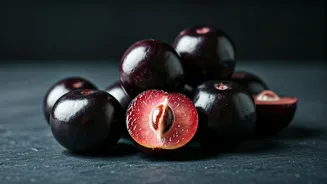
Let’s be clear: the purple fruit taking over our feeds and menus is the one and only Jamun. Also known as Malabar plum, Java plum, or black plum, this small, oblong fruit has been the taste of Indian summers and monsoons for centuries. Its arrival in late
May, heralded by vendors with cane baskets piled high, signals a shift in seasons. For many, the taste is pure nostalgia—a complex mix of sweet, sour, and astringently sharp that puckers your lips before a wave of sweetness follows. Eating them by the handful, often with a pinch of black salt to balance the flavours, is a core memory for millions. Its deep purple flesh and juice have a notorious habit of staining everything they touch, a temporary badge of honour worn on fingers and tongues, signifying a seasonal indulgence well enjoyed.
An Ayurvedic Powerhouse
While the taste is iconic, jamun’s endurance in the Indian imagination is also tied to its potent health benefits, long recognised in Ayurvedic medicine. Traditionally, the fruit, its seeds, bark, and leaves have been used to treat various ailments. Modern science is now catching up, confirming what generations of grandmothers already knew. Jamuns are packed with antioxidants, particularly anthocyanins, which give the fruit its deep purple colour and help fight free radicals. They are a good source of Vitamin C, iron, potassium, and other essential nutrients, making them a powerful immunity booster. But the fruit’s most famous association is with diabetes management. Compounds like jamboline and jambosine in the seeds are believed to help slow the rate of sugar release into the bloodstream and increase insulin sensitivity. This 'health halo' has turned jamun from a simple fruit into a wellness ingredient.
From Street Snack to Gourmet Star
This is where the 'trending' part comes in. The jamun is no longer confined to street carts and fruit bowls. It’s undergoing a dramatic culinary glow-up. Chefs across the country are rediscovering its unique flavour profile and stunning colour, incorporating it into everything from fine dining desserts to craft cocktails. Boutique ice cream parlours offer vibrant jamun sorbets and gelatos. Trendy cafes are blending it into healthy smoothies and 'wellness shots'. The bar scene has particularly embraced it, with 'Jamun-tinis' and gin cocktails infused with jamun puree becoming signature monsoon drinks. This move from rustic snack to gourmet ingredient allows a new generation to experience the fruit in innovative ways, cementing its status as a modern culinary star.
The Instagram Generation Discovers Jamun
In the digital age, we eat with our eyes first, and jamun is incredibly photogenic. Its intense, royal purple hue is a social media dream. Food bloggers, influencers, and home cooks are showcasing the fruit in visually stunning posts, from beautifully styled platters to deep purple cheesecakes and shimmering jellies. The hashtag #jamun floods Instagram every monsoon with pictures that celebrate both the traditional fruit and its modern interpretations. This visual amplification is a key driver of the trend. When something looks that good, people want to taste it, share it, and be a part of the conversation. The jamun's aesthetic appeal has given it a new currency in the online world, introducing its charms to a global audience and reinforcing its popularity at home.