




The Significance of a Rainy Month
Karkidakam, which typically falls between mid-July and mid-August, is the last month in the Malayalam calendar. Historically, it was known as the 'Panja Masam' or month of scarcity, marked by incessant rains that made work difficult and depleted food
stores. It’s a period when, according to Ayurveda, the human body's immunity is at its lowest and digestive strength is weak, making people more susceptible to illness. This combination of environmental and physiological challenges led to the development of specific cultural and wellness practices. The month is also known as 'Ramayana Masam', a time for spiritual reflection when the epic Ramayana is read in many homes to foster resilience and peace.
A Medicated Gruel for Wellness
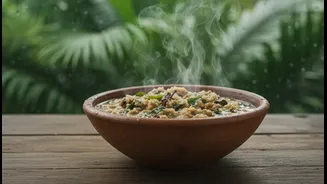
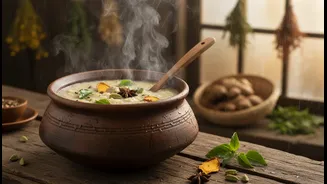
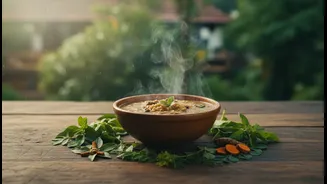
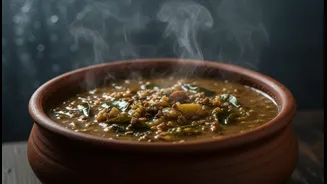
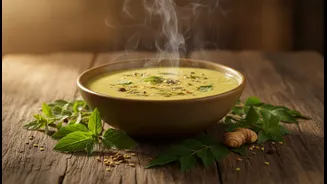
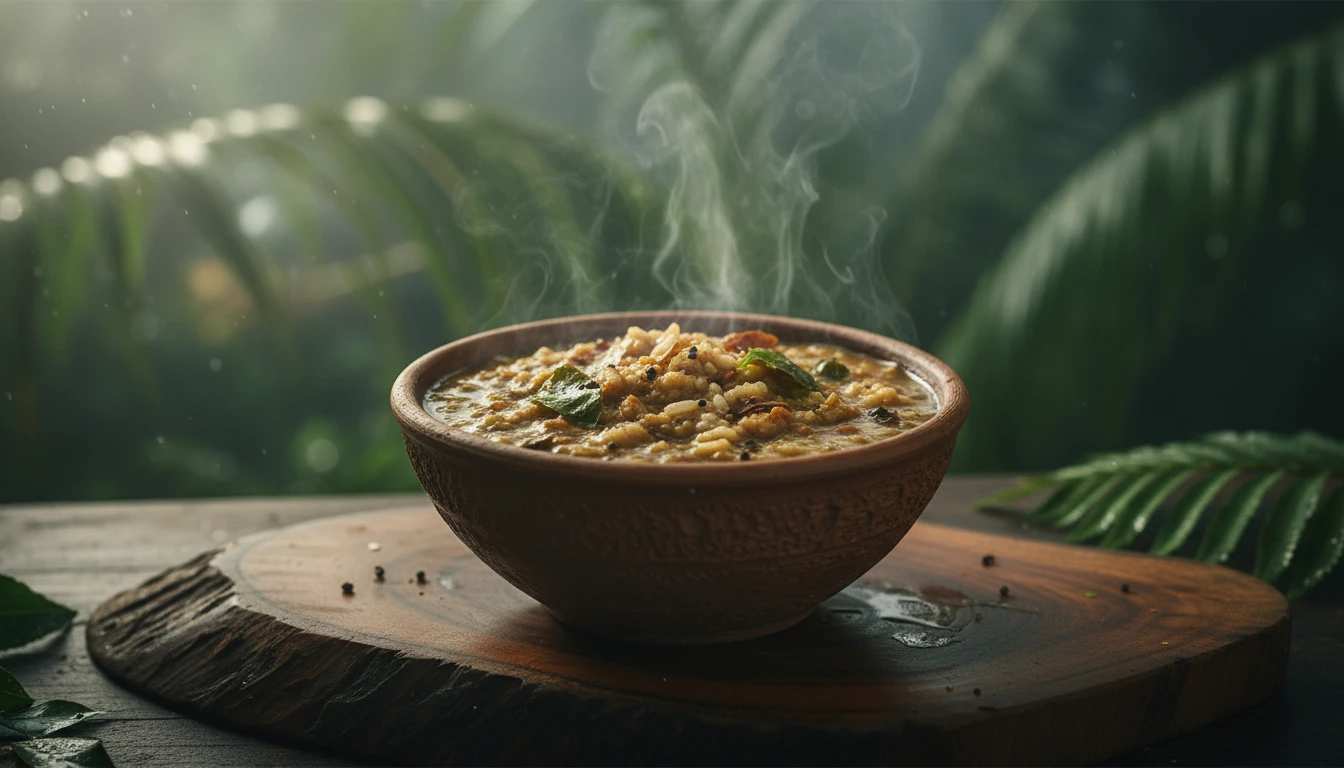
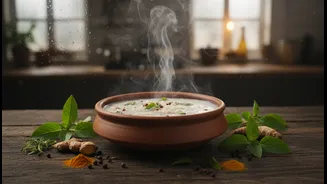
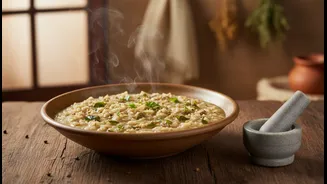
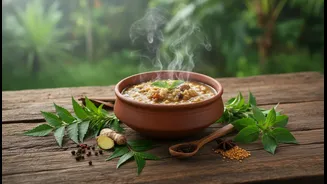
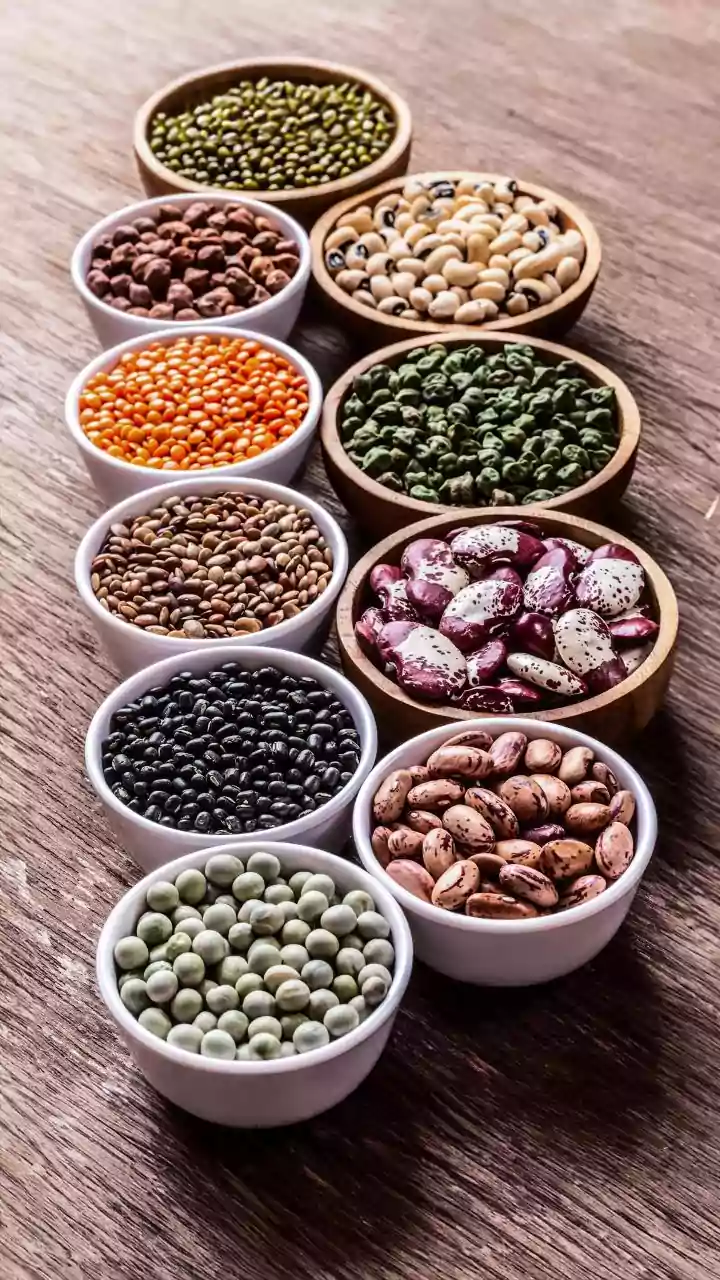
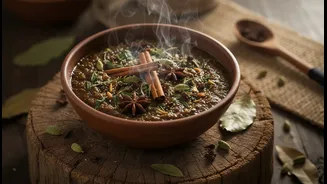
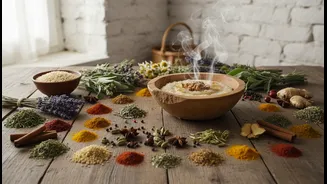
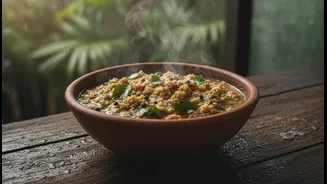
At the heart of Karkidakam's wellness traditions is the Oushadha Kanji, or Karkidaka Kanji—a medicated rice gruel. This is not just a simple porridge; it is a meticulously prepared dish designed to support the body during the harsh monsoon. The base is often Njavara rice, a medicinal variety known for being easily digestible and nourishing. This rice is cooked with a potent mix of herbs and spices. Common ingredients include dried ginger, cumin, fenugreek, and black pepper, which are believed to rekindle digestive fire. Depending on the recipe and intended benefit, it might also include a decoction of 'Dasapushpam' (ten sacred flowers) or 'Dashamoola' (ten medicinal roots), along with coconut milk for flavour and healthy fats.
The Ayurvedic Rationale
From an Ayurvedic perspective, the monsoon season aggravates the Vata dosha (the principle of air and space), leading to issues like joint pain, stiffness, and digestive problems. The entire practice of 'Karkidaka Chikitsa', or monsoon treatment, is designed to pacify Vata and cleanse the body of accumulated toxins (ama). The Karkidaka Kanji is considered a cornerstone of this regimen. Its warm, spiced nature is believed to counteract the cold, damp weather, support a sluggish digestive system, and gently detoxify the body. Ayurvedic practitioners view it as a form of preventative care, a way to bolster the body's natural defences and prepare it for the year ahead.
Tradition, Not a Miracle Cure
While Karkidaka Kanji is a deeply rooted cultural practice with sound nutritional and Ayurvedic principles, the crucial distinction to make is that it is a wellness tradition, not a medical cure. The headline's caution is vital in an age of rampant health misinformation. Presenting the kanji as a 'cure' for specific diseases like diabetes, arthritis, or cancer is misleading and dangerous. It is a nourishing food that supports overall health and may help manage symptoms associated with seasonal changes, but it does not replace medical treatment. Experts warn against embracing anything with an 'Ayurvedic' tag without understanding its proper context and limitations. Unscientific claims can prevent people from seeking necessary medical care for serious conditions.
A Balanced and Informed Approach
Health experts, both from Ayurvedic and modern medicine, would agree that the Karkidaka Kanji is a healthy food. It is a balanced meal rich in complex carbohydrates, protein, and medicinal spices with anti-inflammatory and digestive properties. However, its therapeutic power comes from its role within a holistic lifestyle that includes a balanced diet and other healthy habits. For individuals with health conditions like diabetes, the preparation may need to be modified, and it should always be consumed as part of a diet plan approved by a doctor or qualified practitioner. Ayurvedic doctors themselves stress that while a general recipe can be made at home, a truly 'medicinal' kanji should be personalized by a professional based on an individual’s specific health constitution.